
Planting
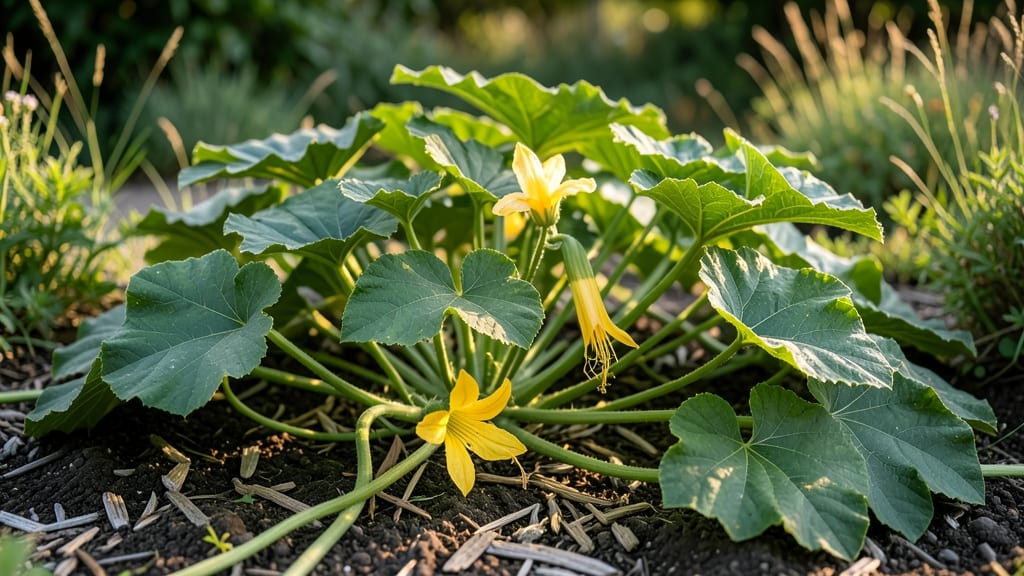
Your pumpkin plant only has male flowers? 🌱 That’s frustrating—but the fix is simpler than you think. Male flowers are nature’s way of distracting you from the real goal: female blooms that turn into pumpkins.
The good news? You can nudge your plant back on track with a few targeted tweaks.
Here’s the deal: male flowers appear first because they’re easy for the plant to produce. But female flowers need more energy, and your pumpkin is either not getting enough nutrients, sunlight, or the right growing conditions.
Too much nitrogen? Check. Not enough daylight? Probably. Even temperature swings can throw off the balance.
Start by cutting back on nitrogen-heavy fertilizers and switch to a balanced 10-10-10 or phosphorus-rich feed—this boosts flowering. Prune some male blooms to redirect energy, and make sure your plant gets at least 6-8 hours of direct sun daily.
A little shade in the afternoon can even help, especially in hot climates.
Within 1-2 weeks, you’ll start spotting those telltale female flowers—tiny blooms with a tiny pumpkin at the base. Keep an eye out, and don’t panic if it takes a little time. Your pumpkin patch is about to turn the corner! 🌻
Why Your Pumpkin Plant Skips Female Flowers
If your pumpkin vines are bursting with male blooms but leaving you frustrated with a lack of female flowers, don’t worry—you’re not alone! This common issue stems from a few key factors tied to plant biology, environmental conditions, and even how you care for your pumpkins.
Understanding these causes is the first step to encouraging more female flowers and a bountiful harvest. Let’s break down the science behind why your pumpkin plant might be playing favorites (or not producing at all!).
Not all pumpkin varieties are created equal when it comes to flower production.
Some cultivars are naturally more prone to producing male flowers early in the season, especially if they’re bred for specific traits like: - Ornamental pumpkins (often prioritized for vine length or leaf shape over fruit production). - Hybrid varieties (which may have skewed sex ratios due to selective breeding for disease resistance or growth speed). - Young or immature plants (male flowers often appear first to ensure pollination before female flowers develop).
Actionable tip: 💡 If you’re growing a pumpkin variety known for low female flower production (like some mini pumpkins or decorative types), consider switching to a fruit-focused cultivar like ‘Howden’ or ‘Jack Be Little’ for better balance.
Pumpkins are sensitive to temperature fluctuations, and extreme heat or cold can throw off their flowering cycle. Here’s how it affects them: - Too hot (above 90°F/32°C): High temperatures can sterilize male flowers or cause female flowers to drop before opening.
Heat also speeds up vine growth, leaving less energy for fruit development. - Too cold (below 50°F/10°C): Chilly nights can delay female flower production entirely, as the plant focuses on survival rather than reproduction. - Rapid temperature swings: Unpredictable weather (e.g., hot days followed by cold nights) confuses the plant’s hormonal signals, leading to more male flowers as a stress response.
Actionable tip: 🌡️ Plant pumpkins in a location with consistent warmth (60–85°F/15–29°C) and use row covers or shade cloth to protect them from heatwaves. If you’re in a short-season climate, opt for fast-maturing varieties to avoid late-season cold snaps.
Pumpkins are heavy drinkers, and their flowering habits can be directly tied to how you water and feed them: - Overwatering: Soggy soil can lead to root stress, causing the plant to prioritize male flowers (which require less energy) over female flowers (which need resources to develop fruit). - Underwatering: Drought conditions trigger the plant to produce more male flowers as a survival mechanism, since they’re easier to grow and pollinate. - Nitrogen-heavy fertilizers: Too much nitrogen promotes leafy growth at the expense of flowers.
Pumpkins need a balanced NPK ratio (e.g., 5-10-10) with extra phosphorus to encourage flowering. - Potassium deficiency: Without enough potassium, female flowers may fail to develop properly or drop early.
Actionable tip: 💧 Water deeply 1–2 times per week (adjust for climate) and mulch to retain moisture. Switch to a low-nitrogen, high-phosphorus fertilizer (like 3-6-6) when vines start flowering, and side-dress with compost for a potassium boost.
Plants communicate internally through hormones, and stress—whether physical or environmental—can disrupt this balance.
Common triggers for male-dominant flowering include: - Transplant shock: If pumpkin seedlings are moved too early or handled roughly, they may delay female flower production as a recovery response. - Competition for resources: Overcrowded plants or those competing with weeds will prioritize male flowers to ensure pollination before investing in fruit. - Pruning mistakes: Aggressive pruning (especially of main vines) can reset the plant’s hormonal signals, leading to a surge in male flowers.
Actionable tip: 🌱 Give pumpkins plenty of space (5–6 feet between plants) and avoid heavy pruning early in the season. If you must prune, focus on removing only the weakest vines to reduce stress.
Even if female flowers appear, they won’t develop fruit without proper pollination.
However, lack of pollinators can also trick the plant into producing more male flowers as a backup strategy: - Bee shortages: Male flowers are easier for bees to access (they hang on long stems), so the plant may produce more of them if pollinators are scarce. - Wind or rain interference: Heavy rain can wash away pollen, signaling the plant to increase male flower production as a compensatory measure. - Isolation: If your pumpkin patch is far from other squash or cucurbit plants, bees may ignore it entirely, leading to unpollinated female flowers that drop.
Actionable tip: 🐝 Attract pollinators by planting bee-friendly flowers (like marigolds or sunflowers) nearby. If bees are absent, hand-pollinate female flowers by transferring pollen from male blooms with a small brush or cotton swab.
Young pumpkin plants often produce only male flowers as a way to "test" the environment before committing to fruit production.
Here’s why: - First 3–4 weeks: Most pumpkins start with all-male flowers to ensure the plant is healthy enough to support reproduction. - Vine length: Some varieties (like Cinderella pumpkins) won’t produce female flowers until the vines reach 10–15 feet long. - Day length sensitivity: Short-day pumpkins (common in many varieties) may delay female flowers until they sense longer daylight hours.
Actionable tip: ✨ Be patient! If your plant is young, give it time—female flowers usually appear within 4–6 weeks of the first male blooms. If not, check for other stressors (like nutrient deficiencies) that might be holding it back.
Sometimes, the soil or treatments you use can unintentionally skew flower production: - Herbicide residue: Even old herbicide traces in the soil can stunt female flower development. - Salt buildup: Over-fertilization or poor drainage can create salty soil, which stresses plants and leads to more male flowers. - pH imbalances: Pumpkins thrive in slightly acidic to neutral soil (pH 6.0–7.0).
A pH outside this range can hinder female flower formation.
Actionable tip: 📊 Test your soil before planting and amend it with lime (to raise pH) or sulfur (to lower pH) as needed. Avoid synthetic fertilizers with high salt content—opt for organic matter like compost instead.
Quick fixes for more female flowers
If your pumpkin plant is throwing a one-sided flower party—all male, no females—don’t panic! 🌱 With a few targeted tweaks, you can shift the balance and encourage those elusive female blooms. Below are practical solutions mapped to common causes, plus pro tips to keep your pumpkins thriving.
When plants get too much nitrogen, they focus on leafy growth instead of flowers. Here’s how to correct it:
- 🍳 Switch to a balanced or phosphorus-heavy fertilizer Use a 5-10-10 or 10-20-20 ratio (like a tomato or bloom booster). Phosphorus (the middle number) triggers flowering. Stop using high-nitrogen lawn fertilizers—they’re leaf factories, not flower producers!
- 👨🍳 Flush the soil Water deeply for 10–15 minutes to leach excess nitrogen. Repeat weekly until new growth slows.
- 🥘 Add compost or bone meal Mix 1–2 cups of compost or 1 tbsp of bone meal per plant into the top 2 inches of soil. Bone meal is a natural phosphorus powerhouse.
- ⏰ Prevention tip: Test your soil before planting. Aim for a pH of 6.0–6.8 and adjust fertilizers accordingly.
Pumpkins need warmth and consistent light to set female flowers. If conditions are off, they’ll default to male blooms.
- 🌞 Optimize sunlight Ensure your plants get 6–8 hours of direct sun daily. If shade is the issue, transplant to a sunnier spot or use reflective mulch (like white plastic) to bounce light onto leaves.
- 🔥 Warm up the soil Pumpkins thrive in soil temps above 60°F (15°C).
If your area has cool nights: - Use black plastic mulch to absorb heat. - Plant in raised beds, which warm faster than ground soil. - Cover young plants with floating row covers at night (remove during the day).
- 🎯 Prevention tip: Choose heat-tolerant varieties like ‘Howden’ or ‘Cinderella’ if your climate swings between hot and cool.
When pumpkin vines compete for space, they prioritize survival over reproduction. Tight quarters also invite disease, which stresses plants further.
- 🌿 Thin out vines Remove excess side shoots to focus energy on the main vine. Aim for 1–2 healthy vines per plant, pruning weaker growth at the base.
- 🔪 Space plants properly Give pumpkins 3–5 feet of space between plants (check your variety’s needs). If you’re growing in containers, use large pots (at least 5 gallons) and 1 plant per container.
- 🌡️ Improve airflow Stake or trellis vines to keep them off the ground. This reduces humidity around leaves, cutting down on fungal issues like powdery mildew.
- ✨ Prevention tip: Mulch heavily with straw or grass clippings to suppress weeds and retain moisture without smothering plants.
Inconsistent watering confuses pumpkin plants, leading to hormonal imbalances that favor male flowers. Here’s how to fix it:
- 💧 Water deeply and consistently Pumpkins need 1–2 inches of water per week, delivered at the base (not the leaves). Use drip irrigation or soaker hoses to avoid wetting foliage, which spreads disease.
- 🌱 Adjust for extremes
- Drought stress? Water thoroughly 2–3 times per week until soil is moist 6 inches down.
- Overwatering? Let the top inch of soil dry out between waterings. Yellowing leaves or mushy stems are red flags—cut back immediately.
- 🎯 Prevention tip: Mulch around plants to lock in moisture and regulate soil temperature. Avoid wet mulch, which invites rot.
Sometimes, a little controlled stress can trigger female flowers. Try this gentle shock method:
- 🔥 Stop watering for 3–4 days (but don’t let soil dry out completely).
- 🌱 On day 4, give the plant a deep soak with water + a pinch of Epsom salt (1 tbsp per gallon).
- 🥘 Repeat every 2 weeks until female blooms appear.
Why it works: The water shock mimics natural drought cycles, signaling the plant to produce flowers for reproduction.
With these fixes, your pumpkin plant should start showing off those telltale female flowers (the ones with tiny pumpkins at their base) within 1–2 weeks. Keep an eye on the soil, sunlight, and spacing, and you’ll be on your way to a bountiful harvest! 🎃
Frequently asked questions
Why do pumpkin plants produce more male flowers than female ones?
Male flowers appear first because they require less energy to produce. Your pumpkin plant prioritizes them as a way to ensure pollination before investing in fruit development. This is especially common in young plants or when environmental conditions aren't ideal for female flower production.
How can I tell if a pumpkin flower is male or female?
Male flowers grow on long stems and have a round shape with no swelling at the base. Female flowers have a tiny pumpkin or swelling at their base where the fruit will develop. This swelling is your key identifier!
Will pruning male flowers help encourage female blooms?
Yes! Pruning some male flowers redirects the plant's energy toward producing female flowers. Focus on removing the oldest male blooms first, as they're using up valuable resources. Just don't overdo it—remove no more than 20% of male flowers at a time to avoid stressing the plant.
Can temperature affect my pumpkin's flower production?
Temperatures above 90°F (32°C) can sterilize male flowers, while nights below 50°F (10°C) delay female flower development. Rapid temperature swings also confuse the plant's hormonal signals. Use row covers or shade cloth during heatwaves to maintain ideal 60–85°F (15–29°C) conditions.
How long should I wait before seeing female flowers?
Most pumpkin varieties produce female flowers within 4–6 weeks after the first male blooms appear. If you're still seeing only male flowers after this time, check your plant's growing conditions—it may need more sunlight, better soil nutrients, or proper spacing to encourage female blooms.