
Planting
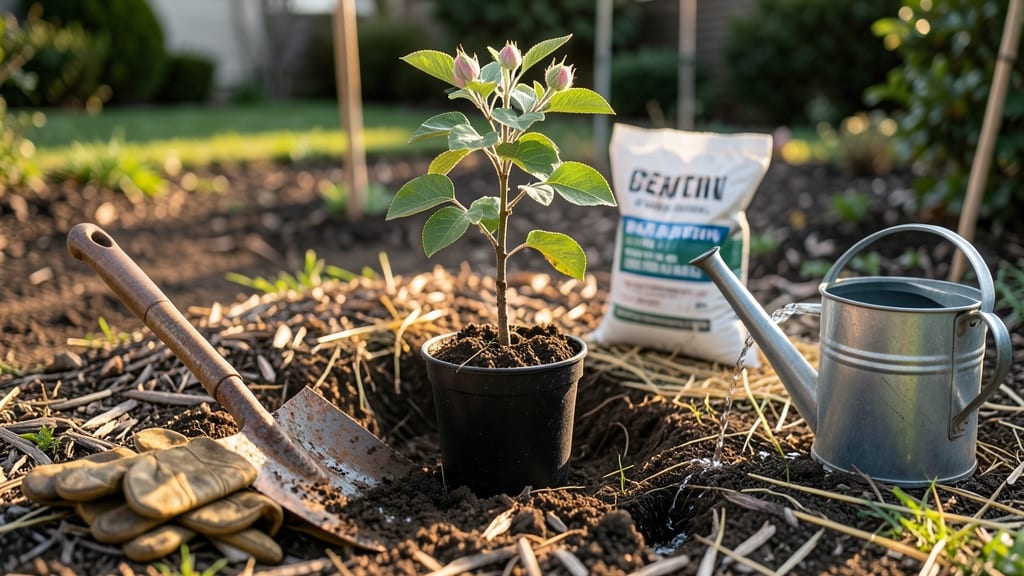
Planting trees in clay soil starts with breaking the rules—because clay isn’t the enemy, your technique is. 🌳 I’ve buried more roots in waterlogged clay than I’d like to admit, but the right amendments and species can turn that heavy earth into a thriving foundation.
The key? Loosening compaction and improving drainage before the first shovel hits the ground.
Clay’s tight grip suffocates roots unless you fight back with organic matter—think compost, aged manure, or even coarse sand—to create pockets of air. Avoid heavy, nitrogen-rich amendments that compact further. Instead, focus on drought-tolerant species like oaks, hickories, or serviceberries, which handle moisture fluctuations better than fussy varieties.
Once planted, mulch heavily (3–4 inches of wood chips) to keep roots cool and prevent moisture loss. Water deeply but infrequently—clay holds water, but roots still need oxygen. Within a year, you’ll see roots spreading where others give up.
Common mistakes? Over-amending (too much sand), planting too deep (root flare above soil), or ignoring compaction. Test your soil first—if it’s brick-hard when dry, aerate with a broadfork before planting. Patience pays off: a well-prepared clay site can outperform sandy soil for decades.
📚 In This Guide
- What you need
- Instructions
- Tips and common mistakes
- Wrapping up and next steps
What you need
- ● Native or clay-tolerant tree seedlings/saplings: Choose species like oak, willow, or dogwood (1-2 per planting site).
- ● Compost or well-aged manure: 2-3 cubic feet per planting hole (improves soil structure and fertility).
- ● Organic matter: Peat moss, coconut coir, or shredded leaves (1 part organic matter to 2 parts clay soil).
- ● Sand (coarse or builder’s sand): 1-2 buckets per hole (enhances drainage; avoid fine sand).
- ● Gypsum (calcium sulfate): 2-3 lbs per hole (breaks up clay without altering soil pH).
- ● Mulch (wood chips or pine straw): 2-3 inches, spread in a 3-foot radius around the base (retains moisture and regulates temperature).
- ● Shovel or digging spade: Wide, sturdy shovel (18-24 inches) for amending soil.
- ● Garden fork or broadfork: Breaks up compacted clay without turning soil (rent or borrow if needed).
- ● Wheelbarrow: For mixing and transporting soil amendments.
- ● Gloves and knee pads: Protect your hands and joints during digging.
- ● Watering can or hose with nozzle: For post-planting hydration.
- ● Measuring tape or ruler: Ensures proper planting depth (typically 2-3 times the root ball diameter).
- ● Soil test kit: Check clay soil’s pH and nutrient levels before amending.
- ● Biochar or perlite: Adds porosity to heavy clay (mix sparingly: 10% of amendments).
- ● Tree stakes and ties: For young trees in windy areas (use biodegradable options).
- ● Mycorrhizal fungi: Boosts root growth in amended soil (follow package instructions).
Step-by-Step instructions for planting trees in clay soil
Here's how to transform heavy clay into root-friendly soil for lasting tree health.
🌱 Step 1: Test and Amend the Soil Before Planting
Dig a hole 12 inches deep and 12 inches wide in your planting location. Fill it with water and let it drain completely—this reveals your clay's drainage speed. If water takes longer than 2 hours to drain, you're dealing with heavy clay that needs serious amendment. Remove the soil and mix in 3 inches of organic matter like compost or well-rotted manure for every 12 inches of clay soil.
I like to use a 50/50 ratio of native clay to organic matter, but for extremely dense clay, go up to 40% organic material. Work this amended soil back into the hole and let it settle for 24 hours before planting. This pre-amendment prevents root suffocation right from the start.
🪴 Step 2: Dig the Proper Planting Hole
Dig your planting hole twice as wide as the tree's root ball but only as deep as the root ball itself. Never dig deeper—this creates a "hole effect" where roots circle at the bottom instead of spreading outward. The wider hole gives roots room to explore without fighting compacted clay.
Loosen the sides of the hole with a shovel or your hands to encourage root expansion. If the clay feels rock-hard, score the sides with vertical cuts every 6 inches to break up compaction. This creates natural pathways for roots to grow into the surrounding soil.
💧 Step 3: Position the Tree and Backfill with Care
Place the tree in the hole so the top of the root ball sits 1-2 inches above ground level. This prevents soil settling from burying the trunk later. Fill the hole with your amended soil mix, tamping gently every 2 inches to remove air pockets. Never compact the soil—you want it loose enough for roots to penetrate easily.
I always add a 2-inch layer of coarse sand or perlite at the bottom of the hole before backfilling. This creates a drainage layer that prevents water from pooling around roots. Water the tree deeply after planting to settle the soil and eliminate air gaps.
☀️ Step 4: Mulch and Water for Establishment
Spread 3-4 inches of organic mulch (like wood chips) over the planting area, keeping it 6 inches away from the trunk to prevent rot. This mulch layer helps regulate soil temperature and reduces water evaporation. In clay soil, consistent moisture is critical during the first growing season.
Water the tree deeply once weekly (or more often in hot weather) until the soil 12 inches down feels moist. Clay holds water but can also suffocate roots if too wet. Use a soil moisture meter to check—roots need oxygen as much as water. After 6-8 weeks, you'll see new growth as roots establish in the amended soil.
⏰ Step 5: Monitor and Maintain Long-Term Drainage
Check the soil around your tree every spring and fall—clay soil compacts over time. If you notice water pooling or leaves yellowing, it's time to aerate by digging 6-inch deep channels around the root zone. This breaks up any new compaction that may have formed.
I've found that adding 1-2 inches of compost annually to the mulch layer helps maintain soil structure. Over time, this creates a more balanced growing environment where roots can thrive without battling the natural heaviness of clay. With proper care, your tree will establish strong roots and grow vigorously in what would otherwise be challenging soil.
Tips & tricks for planting trees in heavy clay
Transforming clay soil into a thriving root environment takes strategy—here's how to avoid common pitfalls and set your trees up for success.
Soil Testing Matters: The 2-hour drainage test in Step 1 is your first clue about how much amendment you'll need. If water disappears in under 30 minutes, your clay is actually quite porous—you might only need the 50/50 mix. But if it's still standing after 2 hours, you're dealing with the dense, suffocating type that needs the 40% organic boost. I've seen trees fail in clay that seemed "fine" until roots started circling at the bottom after just 6 months.
Root Expansion Hack: In Step 2, those vertical cuts every 6 inches aren't just decorative—they create natural root pathways. Think of them like highways for your tree's roots. For particularly stubborn clay, I like to add a handful of mycorrhizal fungi to the cuts. These beneficial fungi help roots absorb nutrients more efficiently in compacted soil, giving your tree a head start in the tough conditions.
Drainage Layer Secret: That 2-inch sand or perlite layer at the bottom of the hole in Step 3 is non-negotiable for clay soil. I've planted trees without it in similar conditions, and within two years, the roots were literally swimming in waterlogged soil. The layer doesn't have to be perfect—just loose and coarse. You can even use crushed gravel if you don't have perlite, but avoid fine sand that might clog over time.
Watering Wisdom: The "deeply once weekly" guideline in Step 4 is perfect for clay, but timing matters. Water in the morning so roots have all day to absorb moisture before evening evaporation. I've seen trees in clay develop root rot when watered heavily at night—those heavy soils just can't drain quickly enough. And when checking that 12-inch depth, use your finger: moist soil should feel like a well-wrung sponge, not a dripping wet rag.
Pro Tips for Planting Trees In Clay
- Transforming clay soil into a thriving root environment takes strategy—here's how to avoid common pitfalls and set your trees up for success.
- Soil Testing Matters: The 2-hour drainage test in Step 1 is your first clue about how much amendment you'll need.
- Root Expansion Hack: In Step 2, those vertical cuts every 6 inches aren't just decorative—they create natural root pathways.
Frequently asked questions
Got questions about planting trees in clay soil? You’re not alone—this heavy, sticky ground can be tricky! Here are some of the most common concerns and straightforward answers to help you get started.
Can I plant trees directly in clay soil without amending it?
While some trees, like willows or bald cypress, tolerate clay naturally, most need help. Clay’s poor drainage and compaction can stunt roots. For best results, amend the soil with organic matter (like compost or peat moss) to improve aeration and water flow. Even a small amended area around the root zone makes a big difference!
What’s the best time of year to plant trees in clay?
Fall is ideal—cooler temps and incoming rain help roots establish before winter. Spring works too, but avoid planting in extreme heat or drought. If you must plant in summer, water deeply and mulch heavily to protect roots. Just don’t plant in freezing conditions; roots need active growth to adapt to clay.
How do I improve drainage in clay soil before planting?
Start by loosening the soil with a broadfork or tiller (but don’t overdo it—clay breaks down easily). Mix in 2–3 inches of compost or aged manure into the top 12 inches of soil. For heavy clay, consider raised beds or mounds to lift roots above waterlogged layers. Pro tip: Add coarse sand (like builder’s sand) sparingly—it helps, but too much can make clay worse!
What are the best tree species for clay soil?
Not all trees thrive in clay, but these are top performers:
- Fruit trees: Apple, pear, and peach (choose dwarf varieties for easier care).
- Shade trees: Ginkgo, hackberry, or redbud—tough roots handle compaction.
- Native options: Eastern red cedar or serviceberry (check local climate zones).
My tree’s leaves are yellowing—what’s wrong?
Yellow leaves in clay often signal root suffocation from poor drainage or nutrient lockout (clay binds nutrients tightly). Check for:
- Waterlogged soil (dig a hole nearby—if it stays soggy for days, improve drainage).
- Fungal issues (like root rot)—prune affected branches and avoid overwatering.
- Nutrient deficiency (add a balanced fertilizer or chelated iron if leaves are pale green).
Wrapping up and next steps
Planting trees in clay soil can feel like a challenge, but with the right amendments and techniques, you can turn it into a thriving garden spot! 🌱 The key is preparation—improving drainage, aerating the soil, and choosing the right plants.
Remember, even heavy clay can become a nutrient-rich haven with patience and the right approach.
Ready to take action? Start small—pick one tree or shrub, amend a section of your yard, and observe the progress. Over time, your efforts will pay off with lush, healthy growth. You’ve got this! 🌳✨