
Planting
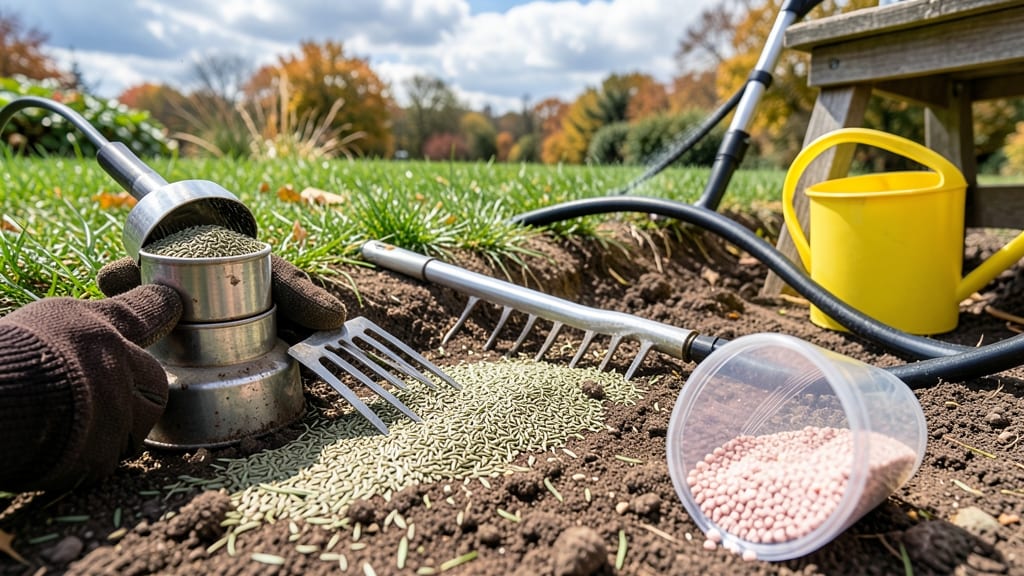
Planting grass seed in spring when soil hits 55-65°F is the secret to fast, even germination. 🌱 I’ve learned that timing matters more than seed quality—plant too early in chilly soil, and you’ll wait weeks for sprouts, if they come at all.
The right temperature triggers seeds to wake up and grow within 7-21 days, turning bare patches into lush green in no time.
Most regions can start seeding once daytime highs stay above 60°F for a week. Northern climates should wait until after the last frost (usually mid-April to early May), while Southern areas can begin as early as February.
The key is checking soil temp with a thermometer—not just guessing by weather forecasts. A simple test: press your hand into the soil for 5 seconds; if it feels warm but not hot, it’s ready.
Once you’ve nailed the timing, preparation makes all the difference. Loosen the top 2-3 inches of soil, remove debris, and level the area—this ensures good seed-to-soil contact for quick germination.
Lightly raking seeds in (about ½ pound per 100 sq ft) and keeping the soil consistently moist (not soggy) will have your lawn looking thick and vibrant by summer.
Pro tip: In frost-prone areas, cover newly seeded spots with straw or a light tarp to protect seeds from late cold snaps. And remember—patience pays off. The first sprouts might take 10-14 days to appear, but once they do, you’ll know you’ve done it right. Happy planting!
📚 In This Guide
- What you need
- Instructions
- Tips and common mistakes
- Wrapping up and next steps
What you need
- ● Grass seed: Choose a type suited to your climate (e.g., Kentucky Bluegrass, Fescue, or Bermuda). Buy 10–20 lbs per 1,000 sq ft for full coverage.
- ● Lawn spreader: A broadcast spreader (for uneven areas) or drop spreader (for precision) works best. Calibrate it first!
- ● Soil testing kit: Check pH (ideal: 6.0–7.5) and nutrient levels before planting.
- ● Topsoil or compost: 1–2 inches to improve soil quality and seed-to-soil contact.
- ● Rake: A bow rake (for leveling) and garden rake (for smoothing soil).
- ● Water source: A hose with a gentle spray nozzle or watering can for post-planting hydration.
- ● Fertilizer (starter blend): Look for a high-phosphorus formula (e.g., 5-10-5 ratio) to boost root growth.
- ● Soil aerator: Core aeration (rent or buy) loosens compacted soil for better seed penetration.
- ● Seed germination blanket: A lightweight biodegradable mat protects seeds from birds and erosion.
- ● Weed barrier fabric: Lays under seed to block weeds (remove after germination).
- ● Lawn roller: Lightly rolls soil post-planting to ensure seed contact (use sparingly!).
- ● Mulching straw: ¼-inch layer retains moisture and shields seeds from drying out.
- ● Soil pH adjuster: Lime (to raise pH) or sulfur (to lower pH) if your test results call for it.
Step-by-Step instructions for planting grass seed in spring
Timing matters more than you think—get this right, and you’ll see lush green blades in just 2-3 weeks.
🌱 Step 1: Check Soil Temperature for Prime Germination
Wait until the soil reaches at least 55°F—this is your golden window for fast germination. I test by pressing my finger into the soil; if it feels warm to the touch (like a cozy morning), it’s ready. Early spring soil is often too cold, and seeds will just sit there, waiting for warmth they’ll never get.
Use a soil thermometer for accuracy—bury it 2 inches deep and check mid-morning when the sun has warmed the ground. If the temperature dips below 50°F, hold off for another week. Patience now means thick grass later, not patchy disappointment.
☀️ Step 2: Prepare the Soil for Perfect Seed Contact
Loosen the top 4 inches of soil with a rake or tiller to break up compaction—seeds need direct contact with earth to germinate. I like to work the soil when it’s slightly damp (like a wrung-out sponge) so it crumbles easily. If the ground is dry, water it first and let it soak in overnight.
Remove any debris, rocks, or weeds—these block sunlight and moisture from reaching the seeds. A smooth, level surface ensures even seed distribution. Run a leveling rake over the area to create a fine, textured bed. This isn’t just about looks; it’s about giving every seed an equal chance to thrive.
💧 Step 3: Spread Seed Evenly for Thick, Uniform Growth
Divide your seed into four equal portions—this trick helps you distribute it evenly without over-seeding. Walk in a crisscross pattern, scattering the first half in one direction, then the second half perpendicular. Lightly rake the area again to press seeds into the soil at a depth of ¼ inch or less—any deeper, and they’ll struggle to push through.
Don’t skip this step. If you see bare spots later, it’s because seeds were clumped together. I swear by the "four-way method"—it’s foolproof for beginners and pros alike. Once seeds are down, give the area a light misting with water to settle them into place, but don’t soak it.
⏰ Step 4: Water Gently and Consistently for Germination
Keep the soil moist but never soggy—think "damp sponge," not "mud puddle." Water lightly every 2-3 days until you see first green shoots (usually 7-14 days). A sprinkler set on a gentle mist works best; overhead watering can wash seeds away. I set a timer to remind me—consistency is key here.
Watch for the soil surface to dry slightly between waterings. If it feels dry to the touch, it’s time to water again. Avoid walking on the area until the grass reaches 3 inches tall—you’ll crush tender seedlings. A small sign or rope barrier helps remind household members (or your curious dog).
🌿 Step 5: Maintain Moisture and Monitor for Weeds
Once germination starts, keep watering daily for 2-3 weeks to encourage root development. Shallow roots mean grass that’s easily stressed by drought. I use a soaker hose to deliver water directly to the soil without disturbing the seedlings. Early mornings are best—water evaporates slower, and grass stays dry longer, reducing disease risk.
Pull any weeds that pop up immediately—they compete for nutrients and water. A hand-held weeder or your fingers work fine; just be gentle. You’ll notice the grass growing faster than weeds once it reaches 2 inches tall. At this stage, you can start mowing—set your lawnmower to 3 inches high to avoid scalping the young blades.
Tips & tricks for perfect spring grass seed germination
Patience and precision are your best tools—these tricks will help you avoid the most common spring planting pitfalls.
The Soil Temperature Secret: That 55°F minimum isn't just a number—it's the magic threshold where seeds wake up from dormancy. I've seen seeds planted at 50°F take twice as long to germinate, if they sprout at all. Use a soil thermometer for accuracy, especially if you're in a cooler climate. Morning is the best time to check because afternoon sun can temporarily raise temperatures.
Preparation Pays Off: The 4-inch deep soil loosening in Step 2 isn't just about breaking up compaction—it's creating an ideal environment for root growth. I like to work the soil when it's damp but not wet; it crumbles easily and won't stick to your tools. Pro tip: If your soil feels dry, water it the night before and let it soak in overnight. This gives you perfect working conditions in the morning.
Seed Distribution Strategy: That "four equal portions" trick in Step 3 works because it forces you to spread seeds methodically. I've seen people pour seeds from a bag and end up with clumps—those become the bare spots you'll regret later. Walk in straight lines first, then crosswalk perpendicular. This ensures every square inch gets coverage without overcrowding.
Watering Wisdom: The "damp sponge" analogy in Step 4 is perfect—you want moisture without saturation. I use a spray nozzle on my hose set to "mist" for the first week. This keeps seeds settled while preventing erosion. And here's what nobody tells you: Water in the morning so any evaporation happens during the day, not at night when seeds need moisture to absorb.
Pro Tips for When Plant Grass Seed In Spring
- Patience and precision are your best tools—these tricks will help you avoid the most common spring planting pitfalls.
- The Soil Temperature Secret: That 55°F minimum isn't just a number—it's the magic threshold where seeds wake up from dormancy.
- Preparation Pays Off: The 4-inch deep soil loosening in Step 2 isn't just about breaking up compaction—it's creating an ideal environment for root growth.
Frequently asked questions
Got questions about planting grass seed in spring? You’re not alone! Here are answers to the most common concerns—so you can tackle your lawn with confidence.
What’s the best soil temperature for planting grass seed in spring?
The ideal soil temperature for spring grass seed germination is 55–65°F (13–18°C). Check by sticking a thermometer 2–3 inches deep—if it’s too cold, wait a few weeks. Cool-season grasses (like fescue or ryegrass) can handle slightly cooler temps, while warm-season grasses (like Bermuda) prefer warmer soil.
How long does it take for grass seed to sprout in spring?
Germination time varies by grass type:
- Cool-season grasses: 7–21 days (faster in warm soil).
- Warm-season grasses: 10–30 days (wait until soil is consistently above 65°F).
Should I water my lawn every day after planting grass seed?
Yes, but lightly and frequently—aim for ¼–½ inch of water daily (morning is best). Use a gentle sprinkler to avoid displacing seeds. Once seedlings are 2 inches tall, reduce watering to 1 inch per week. Overwatering can suffocate seeds or cause fungal growth.
Can I plant grass seed over existing grass?
It’s possible, but thin or patchy areas work best. Mow the existing grass short (½ inch), rake to remove debris, and overseed lightly. For thick turf, consider core aeration first to improve seed-to-soil contact. Avoid this method if your lawn has weeds or disease—tackle those first!
Why isn’t my grass seed germinating, even after weeks?
Common culprits include:
- Too much shade: Thin grass or trees block sunlight.
- Poor soil contact: Seeds need firm, moist soil—rake lightly after planting.
- Pests or birds: Cover seeds with straw or a net temporarily.
- Old or low-quality seed: Check the seed packet for viability.
Wrapping up and next steps
Spring is the perfect time to transform your lawn into a lush, green paradise—and you’ve got all the tools to make it happen! 🌱 By planting grass seed when soil temps hit 50–65°F and following the right prep steps, you’ll set your lawn up for fast germination and long-term success.
Don’t wait—grab your gloves, roll up your sleeves, and watch your hard work bloom into a vibrant outdoor space you’ll love.
Ready to take the next step? Start by marking your calendar for your local last frost date (check the USDA Plant Hardiness Zone Map), then gather your supplies and dive in. Your future lawn will thank you!