
Planting
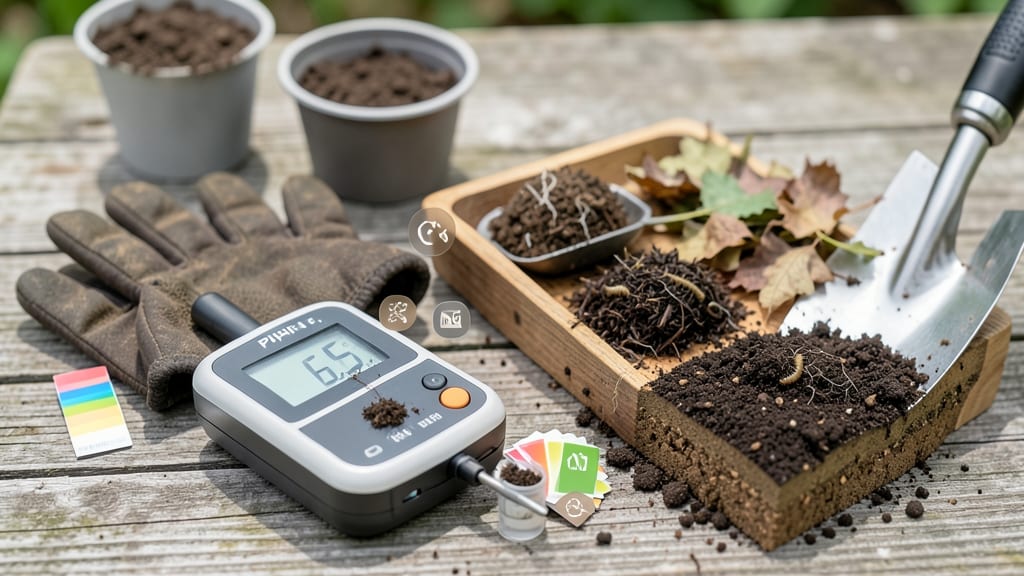
The ideal soil for plant growth balances drainage, aeration, and nutrient retention with a slightly acidic to neutral pH (6.0–7.0), loamy texture, and rich organic matter like compost or aged manure to support healthy root development and microbial activity.
The perfect growing medium isn't just dirt—it's a carefully balanced ecosystem where tiny air pockets allow roots to breathe while holding enough moisture to sustain plants. 🌱 A loamy texture, which blends sand, silt, and clay, creates that ideal balance, while organic additives like worm castings or leaf mold boost microbial life that breaks down nutrients into forms plants can absorb.
I've found that even small adjustments—like adding perlite to heavy clay—can transform struggling gardens into thriving spaces.
This soil mix also prevents common pitfalls like waterlogging or nutrient leaching. For example, vegetables like tomatoes thrive in slightly acidic soil (around 6.0–6.8) because it enhances phosphorus uptake, while blueberries need even more acidity (4.5–5.5) to access the iron they crave.
The key is testing your soil first—many gardeners are shocked to discover their yard's natural pH is way off target.
Don't overlook the role of organic matter—it's not just food for plants but also a sponge that holds water and nutrients near roots where they're needed most.
When mixing your own blend, aim for about 20% organic material (like compost) combined with 40% topsoil and 40% perlite or coarse sand for that perfect loamy feel.
💡 In This Article
- How Soil Composition Affects Root Health and Plant Nutrition
- DIY Soil Mixing Guide for Different Plant Types
How soil composition affects root health and plant nutrition
The science behind soil composition starts with its particle sizes: sand (0.05–2mm), silt (0.002–0.05mm), and clay (<0.002mm). A loamy soil typically contains about 40% sand, 40% silt, and 20% clay. This ratio creates tiny air pockets between particles, allowing roots to breathe while still holding moisture.
For comparison, pure sand drains too quickly, while heavy clay suffocates roots by compacting and blocking oxygen flow. The ideal texture gives roots both stability and access to essential gases like oxygen and carbon dioxide.
Organic matter plays an equally critical role by acting like a sponge that holds 3-5 times its weight in water while also serving as a slow-release nutrient reservoir. When you add compost or aged manure, you're introducing decomposed plant and animal materials that teem with beneficial microbes.
These microorganisms break down complex nutrients into simpler forms—like ammonium and nitrate—that plant roots can absorb directly. Without this microbial activity, even nutrient-rich soil would be useless because plants couldn't access the locked-away goodness.
The pH scale (0-14) determines which nutrients become available to plants, and most garden plants prefer the 6.0–7.0 range. For example, nitrogen—essential for leafy growth—becomes most available at pH 6.0-7.5, while phosphorus (critical for root development) thrives at pH 6.0-7.0.
Iron, however, becomes scarce in alkaline soils above pH 7.0, which is why acid-loving plants like azaleas and blueberries struggle in regular garden soil.
You can test your soil's pH with simple strips or a digital meter, and adjust it with sulfur (to lower pH) or lime (to raise it) if needed.
Texture also affects how quickly water moves through soil. Sandy soils drain in minutes, while clay holds water for days—sometimes too long, leading to root rot. The loamy ideal provides moderate drainage that prevents both drought stress and waterlogging.
When mixed correctly, this texture creates a crumbly, almost cake-like structure that crumbles easily between fingers. This isn't just about aesthetics—it's a sign of healthy pore space where roots can explore and microbes can thrive.
Consider how different plants adapt to these conditions. Deep-rooted trees like oak need well-drained soil to prevent their extensive root systems from suffocating, while shallow-rooted herbs prefer moisture-retentive soil.
The same loamy mix can work for both, but you might adjust the organic matter content—adding more compost for moisture-loving plants and slightly less for drought-tolerant species. This flexibility makes understanding soil composition the foundation of successful gardening.
What most gardeners overlook is how these factors interact. For instance, adding too much clay to sandy soil might improve water retention, but it can also create compaction that hinders root growth. The solution?
Amend with organic matter first to improve the clay's structure before adjusting particle ratios. This layered approach ensures you're addressing the root causes of poor soil health rather than just treating symptoms.