
Planting
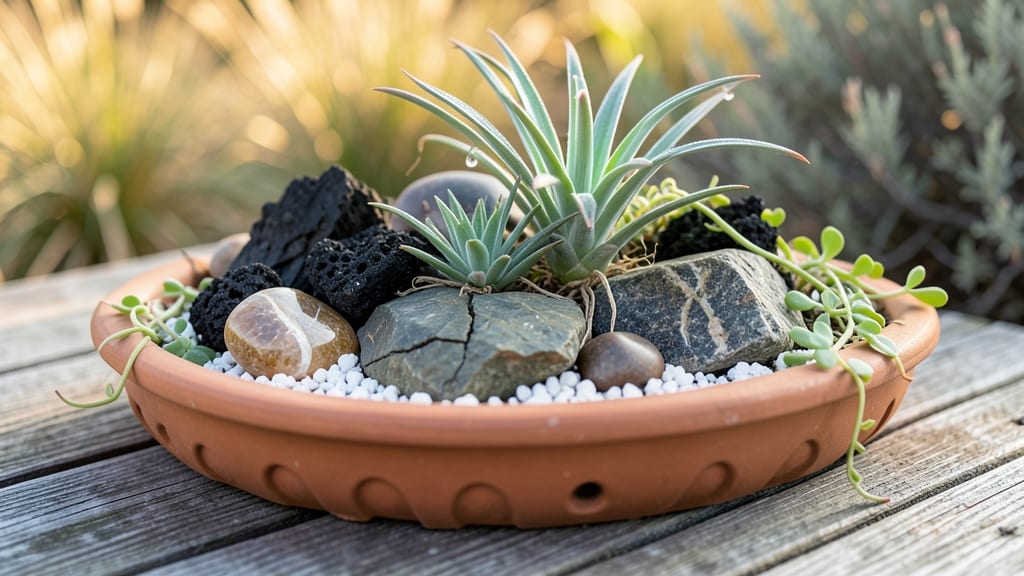
Plant growth in rocks thrives with succulents, alpine plants, and drought-resistant species like sedum or sempervivum, which require minimal soil, excellent drainage, and bright, indirect sunlight to prevent rot and encourage strong root systems.
Rock gardens aren't just decorative—they create ideal conditions for plants that naturally thrive in shallow, fast-draining environments. 🌿 The key is selecting species that store water in their leaves or stems, like echeveria or hen-and-chicks, which avoid the moisture retention issues that kill most plants.
These plants also mimic their natural rocky habitats, where water pools briefly before evaporating quickly. I've found that adding a 1-inch layer of gravel beneath the soil further improves drainage, while placing containers in south-facing windows maximizes light exposure—critical for preventing fungal issues in these low-moisture setups.
One common misconception is that all rock plants need zero maintenance, but seasonal adjustments matter. For example, ice plants (like Delosperma) need slightly more water in summer to handle heat stress, while thyme benefits from occasional trimming to encourage bushier growth.
The secret to fast, healthy growth in rocks is matching plant needs to their environment—drainage, light, and spacing all work together to create thriving microhabitats.
💡 In This Article
- Why Succulents and Alpine Plants Excel in Rocky Environments
- Best Fast-Draining Plants for Rock Gardens and Containers
Why succulents and alpine plants excel in rocky environments
Succulents and alpine plants have evolved specialized adaptations that make them perfect for rocky environments. Their thick, fleshy leaves store water efficiently, allowing them to survive extended dry periods—a critical advantage in fast-draining rock setups where moisture evaporates quickly.
For example, echeveria stores up to 90% water in its leaves, while sempervivum (hen-and-chicks) grows in compact rosettes that minimize water loss through transpiration. These plants also develop shallow but extensive root networks that spread horizontally, anchoring them securely in rocky crevices while maximizing surface area for nutrient absorption.
The rocky substrate itself plays a crucial role by preventing overwatering. Unlike traditional soil, which can hold moisture for days, rocks and gravel create air pockets that allow excess water to drain almost instantly.
This mimics the natural habitats of alpine plants, which grow in mountainous regions where water pools briefly after rain before evaporating. The pH level of the substrate also matters—most rock-loving plants prefer slightly alkaline conditions (pH 6.5-7.5), which rocks naturally provide.
Without proper drainage, even drought-tolerant plants like sedum will develop root rot within 48-72 hours of overwatering.
Light exposure is another key factor in their success. Alpine plants thrive in bright, indirect sunlight, which prevents leaf scorch while providing the 10,000-12,000 lux of light they need for photosynthesis. In containers, placing them near south-facing windows ensures they receive optimal light without overheating.
Interestingly, many alpine species also exhibit a phenomenon called "drought dormancy," where they slow metabolic processes during dry spells and revive quickly when moisture returns. This adaptability makes them ideal for rocky setups, where watering schedules can be unpredictable.
One often-overlooked adaptation is their ability to handle temperature fluctuations. Alpine plants grow in regions where temperatures can swing from -10°F at night to 80°F during the day. Their waxy leaf coatings reflect excess sunlight, while their compact growth habits reduce heat absorption.
In contrast, tropical plants with thin leaves would quickly desiccate in these conditions. For instance, Delosperma (ice plants) can withstand temperatures as low as -20°F when dormant, making them perfect for outdoor rock gardens in colder climates.
Even the way these plants reproduce supports their rocky lifestyle.
Many alpine species propagate through offsets or runners, which spread across the rock surface rather than competing for deep soil resources. Sempervivum, for example, produces "pups" that grow along the mother plant's base, creating natural colonies that stabilize the rocky terrain.
This growth pattern also allows them to quickly reclaim space after disturbances, like wind or erosion. The result is a self-sustaining ecosystem where plants thrive with minimal human intervention.
For those new to rock gardening, understanding these adaptations can prevent common mistakes. For example, using traditional potting soil in a rock garden will retain too much moisture, while a mix of 50% inorganic material (gravel, perlite) and 50% organic matter (coco coir, compost) creates the ideal balance.
The inorganic components ensure rapid drainage, while the organic matter provides essential nutrients. This combination mimics the nutrient-poor but well-drained conditions of natural rock outcrops, where plants have evolved to thrive with minimal resources.