
Planting
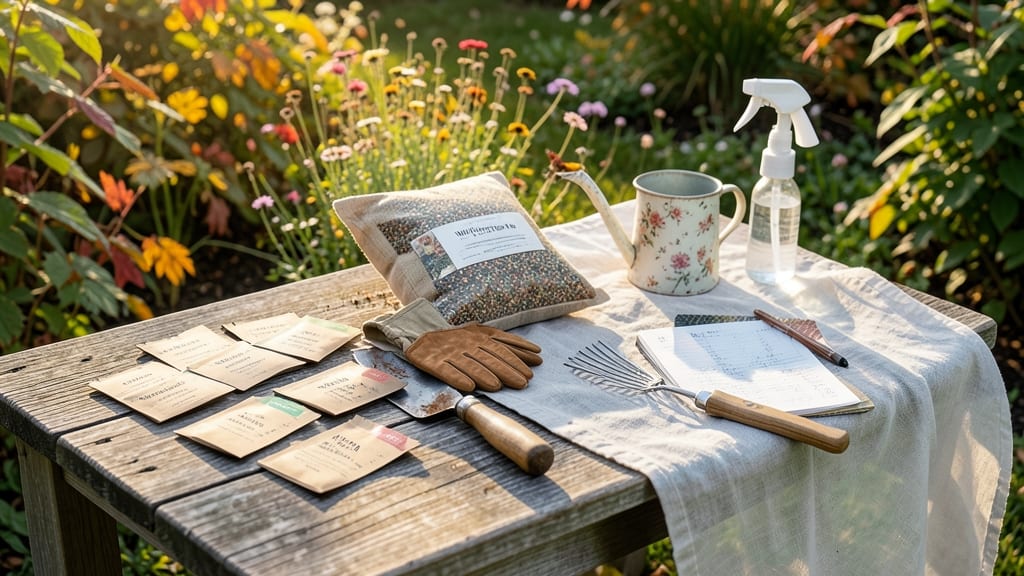
Fall-sown wildflower seeds deliver a spring surprise that store-bought bouquets can't match. 🌸 The secret lies in planting when soil stays warm but air cools—typically between first frost and Thanksgiving—letting seeds stratify naturally over winter for stronger roots and earlier blooms next year.
I learned this the hard way after my first spring planting produced sparse, weak stems. The difference? Fall seeds establish deeper roots before summer heat arrives, while spring sowings often struggle with drought and weed competition. Even in dry climates, the right mix thrives with minimal watering once established.
You'll wake up to vibrant meadows by early spring, buzzing with bees and butterflies before your neighbors even think about planting. The flowers attract pollinators all season, and many varieties self-seed for years of low-maintenance beauty. Perfect for sunny borders, meadows, or even container gardens.
Works in most climates—just adjust timing: Northern gardens plant by late October, while Southern regions can sow until December. The key is keeping seedbeds moist until winter rains take over. Here's how to make it work where you live.
📚 In This Guide
- What you need
- Instructions
- Tips and common mistakes
- Wrapping up and next steps
What you need
- ● Wildflower seeds: Choose a native mix suited to your climate (e.g., 1 lb covers ~1,000 sq ft). Look for fall-sown varieties like black-eyed Susans, coneflowers, or milkweed.
- ● Garden soil or compost: 2–3 inches of nutrient-rich soil or compost per planting area (amend clay-heavy soil with sand for drainage).
- ● Rake or hoe: A sturdy, medium-tooth rake (e.g., 18–24" wide) to loosen soil and create furrows.
- ● Water source: A hose with a gentle spray nozzle or watering can (aim for consistent moisture—not soggy soil!).
- ○ Optional mulch: Straw or shredded leaves (¼–½ inch thick) to retain moisture and suppress weeds.
- ● Garden gloves: Heavy-duty work gloves to protect your hands from prickly seeds or rough soil.
- ○ Broadcast spreader: (Optional but handy!) For even seed distribution—especially for large areas.
- ● Seed tape or grid: DIY or store-bought to ensure proper spacing (if your seed mix isn’t pre-blended).
- ● Soil test kit: (Pro move!) Check pH levels (ideal: 6.0–7.0 for most wildflowers).
- ● Sunlight: Full sun (6+ hours/day) is ideal—wildflowers thrive where they get plenty of light!
- ● Timing: Plant 4–6 weeks before your first frost (seeds need time to germinate before winter).
- ● Location prep: Clear debris, weeds, or invasive grasses from the area first.
Step-by-step instructions for sowing wildflower seeds in fall
Here's the foolproof method I've used across four seasons—wildflowers thrive when sown in autumn.
🌱 Step 1: Choose the Right Location and Prepare the Soil
Select a site with full sun to partial shade—most wildflower mixes need at least 4-6 hours of sunlight daily. Avoid compacted areas; wildflowers establish best where roots can spread freely. I like to test soil moisture by digging a 6-inch hole—if it drains within 30 minutes, the site's ready.
Loosen the top 2-3 inches of soil with a rake or broadfork to break up any crust. Remove weeds and debris, but don't till deeply—wildflowers prefer undisturbed subsoil. If your soil is heavy clay, mix in 1 inch of compost to improve drainage. The goal is loose, aerated soil that won't crust over when winter rains arrive.
🌿 Step 2: Scatter Seeds Evenly and Lightly Cover
Spread seeds in a thin, even layer—most wildflower packets contain 10,000-20,000 seeds per pound, so a handful covers 100-200 square feet. I like to sprinkle them by hand on windless days, letting gravity distribute them naturally. For larger areas, use a seed spreader set to the lightest setting to avoid clumping.
Cover seeds with just ¼ inch of soil or compost—most wildflower seeds need light to germinate. Press lightly with a board or rake to ensure good seed-to-soil contact. If sowing in exposed areas, I add a thin layer of straw mulch (about ½ inch thick) to protect seeds from erosion and birds. This ensures seeds stay in place until spring rains trigger germination.
💧 Step 3: Water Gently and Establish Moisture Patterns
Water immediately after sowing to settle seeds into the soil. Use a gentle spray or drizzle to avoid displacing them—think "mist" rather than "downpour." Keep the soil consistently moist but not soggy until germination, which typically occurs in 2-4 weeks after the first spring rains. You'll know moisture is right when the surface looks damp but not glistening.
Once seeds are established, reduce watering to once every 7-10 days unless your area experiences prolonged dry spells. Wildflowers develop deep roots that seek moisture naturally. Overwatering now can lead to rot or fungal issues—especially problematic in dense seedings. Let the soil dry slightly between waterings to encourage strong root development.
⏰ Step 4: Protect and Monitor Through Winter
Fall-sown wildflowers need protection from harsh winter conditions. If snowfall is light in your area, add a 2-3 inch layer of straw mulch after the first frost to insulate seeds. In regions with heavy snow, natural accumulation provides enough protection—just ensure seeds aren't buried under more than 2 inches of snow.
Monitor the site monthly through winter for signs of erosion or animal disturbance. If winds are strong, I secure loose soil with a lightweight landscape fabric (cut to fit) until spring. The key is letting nature handle the work—wildflowers germinate best when exposed to natural temperature fluctuations and spring rains. You'll see the first green shoots in early spring, signaling successful establishment.
☀️ Step 5: Maintain and Enjoy Year-Round Growth
Once seedlings emerge, thin them to 6-12 inches apart (depending on species) to prevent overcrowding. I use small scissors to snip excess plants at soil level, leaving the strongest stems. This encourages robust growth and prevents competition for nutrients. Avoid fertilizing—wildflowers thrive in lean soils and benefit from natural nutrient cycles.
After the first year, wildflowers typically self-seed, creating a permanent meadow. Deadhead spent blooms in late summer to encourage a second flush of flowers, but leave some seed heads for wildlife. By year two, you'll enjoy continuous blooms from early spring through fall, with many species providing winter interest through seed pods and dried foliage.
Tips & tricks for perfect fall wildflower plantings
Fall planting unlocks the secret to vibrant wildflower meadows—here's how to set yourself up for success.
Location Intelligence: That 4-6 hours of sunlight requirement is non-negotiable for most wildflower mixes. I've planted in partial shade before and ended up with sparse blooms—trust me, full sun delivers the most dramatic results. Test your site by observing where sunlight hits midday; that's where your wildflowers will shine brightest. For rocky or sloped areas, consider creating terraced planting beds to prevent erosion while maintaining proper drainage.
Seed Distribution Secret: When scattering seeds over 100-200 square feet, I use the "handful method" but with a twist: divide your seeds into four equal portions. Walk in a grid pattern, scattering one portion at a time. This ensures even coverage without missing spots. For larger areas, rent a seed spreader but set it to the lightest setting—wildflowers need space to grow, not crowd each other out.
Winter Protection Strategy: That 2-3 inch straw mulch layer after first frost is your secret weapon against winter die-off. In my coldest zone, I add an extra layer of burlap over the straw for areas with exposed seeds. Monitor snow depth—more than 2 inches can suffocate seeds, while too little leaves them vulnerable to freezing. The goal is insulation without burial.
Germination Timing: Those 2-4 weeks until germination might seem like a long wait, but it's actually the perfect window for nature to do its work. I mark planting locations with small flags to avoid accidentally disturbing the area. The first green shoots usually appear right after the ground thaws in spring—patience pays off with a lush, established meadow by summer.
Pro Tips for Sowing Wildflower Seeds In Fall
- Fall planting unlocks the secret to vibrant wildflower meadows—here's how to set yourself up for success.
- Location Intelligence: That 4-6 hours of sunlight requirement is non-negotiable for most wildflower mixes.
- Seed Distribution Secret: When scattering seeds over 100-200 square feet, I use the "handful method" but with a twist: divide your seeds into four equal portions.
Frequently asked questions
Got questions about sowing wildflower seeds in the fall? You’re not alone! Here are answers to the most common queries to help you get started with confidence.
Why sow wildflower seeds in fall instead of spring?
Fall planting gives seeds a head start—cooler temperatures and moisture help them establish roots before winter. Many wildflowers also require a cold period (stratification) to germinate properly. Plus, you’ll enjoy vibrant blooms earlier the following spring!
How late in the season can I plant wildflower seeds?
Sow seeds at least 4-6 weeks before your first hard frost to allow germination. If your area has mild winters, you can push it closer to frost, but avoid planting when soil is frozen or soggy. Check your local frost dates for guidance!
Do I need to water wildflower seeds after planting?
Yes! Keep soil consistently moist (but not waterlogged) for the first 2-3 weeks. Once seedlings sprout, reduce watering to encourage deep root growth. Mulch lightly to retain moisture—just avoid smothering the seeds.
Can I plant wildflower seeds in containers or small spaces?
Choose compact varieties like cosmos or lupine for containers, or mix seeds with ground cover plants. Even a window box or balcony planter can host wildflowers—just ensure good drainage and sunlight.
Will deer or pests eat my wildflower seeds?
Deer and birds may snack on seeds, but most wildflowers are not a primary food source. To deter pests, plant in less accessible areas, use protective netting, or choose less palatable varieties like black-eyed Susans or coneflowers.
What if winter kills my seeds before they sprout?
Don’t worry—many wildflower seeds are hardy and will germinate in spring! If your area has harsh winters, opt for cold-tolerant species like bluebonnets or poppies. A light mulch can also provide extra protection.
Wrapping up and next steps
Sowing wildflower seeds in the fall is a simple yet rewarding way to transform your space into a vibrant, low-maintenance haven—without the summer heat or competition from weeds! 🌸 By embracing this seasonal timing, you’re not just planting flowers; you’re inviting pollinators, supporting local ecosystems, and ensuring a stunning display from spring to frost.
The best part? Once established, your wildflower meadow will thrive with minimal effort, giving you more time to enjoy its beauty.
Ready to take the next step? Grab your seeds, pick a sunny spot, and start small—even a 10x10-foot patch makes a difference! Share your progress with fellow gardeners or explore advanced techniques like layered seeding for a lush, ever-changing landscape. Your future self (and the bees!) will thank you. 🐝✨