
Planting
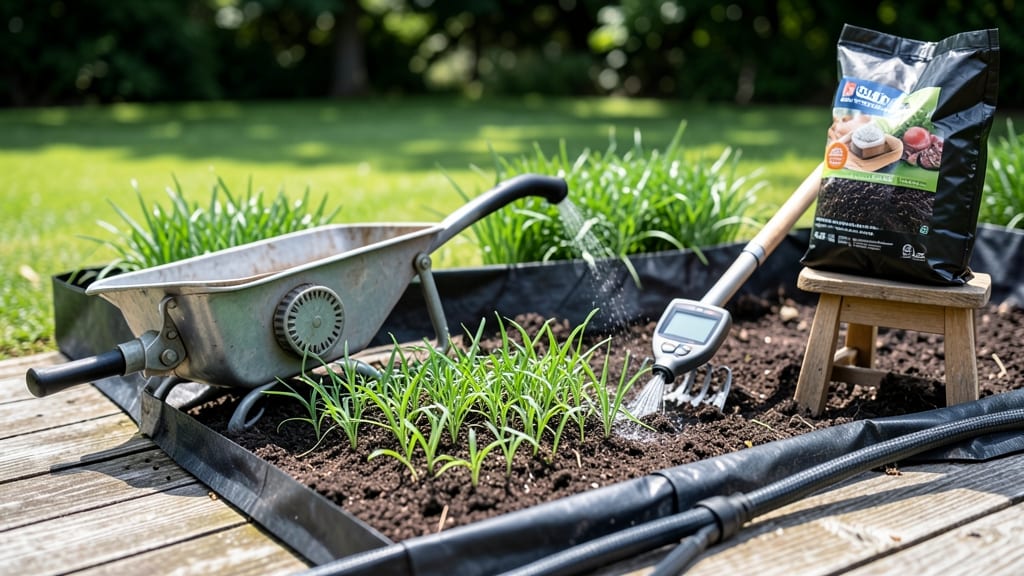
You should plant grass in the spring when soil temperatures hit 50°F–65°F—the sweet spot for germination and root growth in most regions.
Timing your spring grass planting can mean the difference between a lush, green lawn and a patchy, struggling one—get it wrong, and you’ll waste time, money, and patience.
In Zone 6a, like many northern climates, that window typically opens in early April, but soil warmth varies by location. Too early, and frost can kill tender seedlings; too late, and summer heat stresses them before they establish.
Below, I’ll break down the exact deadlines for your zone, how to test soil readiness, and the 3 signs your grass is struggling because of planting timing—so you can avoid the most common mistakes.
Ideal soil temperature for planting grass in spring
Getting your spring grass planting timing right starts with understanding soil temperature. Unlike air temperature, soil warmth triggers seed germination and root growth. For most grass types, the ideal soil temperature range sits between 50°F and 65°F, but this varies by grass type and region.
Planting too early when soil is still cold can leave seeds dormant or invite frost damage, while waiting too long may mean missed growing season opportunities.
Cool-season grasses like Kentucky bluegrass and fine fescue thrive when soil temperatures hover around 50°F–60°F, making early spring the perfect window. Warm-season varieties such as Bermuda grass and Zoysia prefer warmer soil, ideally between 60°F–65°F, which aligns more with late spring or early summer.
Understanding these ranges helps you avoid common pitfalls like patchy germination or slow establishment.
To test your soil temperature accurately, use a soil thermometer (available at garden centers for under $10). Insert it 2–4 inches deep—the depth where grass seeds typically germinate—and check readings in the morning.
If your soil is below 50°F, hold off on planting; if it’s above 65°F, you might be too late for cool-season grasses. Regional variations also play a role, so adjust based on your local climate.
| Grass Type | Ideal Soil Temp (°F) | Best Planting Window | Regional Notes |
|---|---|---|---|
| Cool-Season (Kentucky Bluegrass, Tall Fescue, Ryegrass) | 50°F–60°F | Early spring (4–6 weeks before last frost) | Northern states (Zones 3–6): Plant by late March–April. Southern states (Zones 7–9): Plant by February–March. |
| Warm-Season (Bermuda, Zoysia, St. Augustine) | 60°F–65°F | Late spring (after last frost, soil warm) | Southern states (Zones 7–10): Plant by April–May. Northern states (Zones 5–6): Plant by late May–June. |
| Fine Fescue (Shade-Tolerant) | 45°F–55°F | Early spring or fall | Works in cooler microclimates; ideal for shaded lawns. |
| All Grass Types | Avoid below 40°F or above 70°F | N/A | Extreme temps cause seed dormancy or stress. |
Regional variations can shift these soil temperature guidelines by weeks. For example, in Zone 5, early March might see 45°F soil, perfect for fine fescue but too cold for Kentucky bluegrass.
Meanwhile, in Zone 9, soil can hit 65°F by February, making it ideal for warm-season grasses. Always check your local last frost date and monitor soil temps for 3–5 days to confirm consistency.
If your soil is too cold, don’t rush—wait for consistent warmth. Use a black plastic mulch to absorb sunlight and raise soil temperature by 5–10°F if needed.
For warm-season grasses, consider soil warming blankets or planting in raised beds, which heat up faster. Patience here prevents wasted seed and money on replanting.
Another pro tip: Water your soil the day before testing temperature. Moist soil conducts heat differently than dry soil, giving you a more accurate reading. Aim to plant when temperatures stay within the ideal range for at least 5 consecutive days—this consistency ensures strong germination and root development.
Once planted, maintain soil moisture by watering lightly but frequently (about ¼ inch per day) until germination occurs. Overwatering can wash away seeds, while underwatering causes seeds to dry out. A light sprinkle in the morning keeps seeds hydrated without inviting fungal issues.
Remember, soil temperature isn’t just about the calendar—it’s about the ground’s readiness. By aligning your planting with these guidelines, you’ll set your lawn up for a thick, green start that lasts all season. 🌱
Spring grass planting deadlines by US planting zones
Getting your spring grass planting timing right depends heavily on your USDA planting zone. In colder zones like Zone 3, you’ll want to plant early to beat frost, while warmer Zone 10 areas can wait until late spring.
Missing these windows risks poor germination or frost damage, so let’s break it down by region for a perfect start.
Most gardeners follow the rule of thumb: plant 4-6 weeks before your last frost date. However, this varies by zone. For example, cool-season grasses like Kentucky bluegrass thrive when soil temps hit 50°F–65°F, while warm-season grasses like Bermuda grass prefer 65°F–75°F.
Let’s explore the best deadlines for each zone to avoid common mistakes.
| USDA Zone | Ideal Planting Window | Soil Temp Range | Key Risks if Late | Microclimate Adjustments |
|---|---|---|---|---|
| Zones 3–5 | Early March–April | 50°F–60°F | Frost damage, slow germination | Plant earlier in high-altitude areas |
| Zones 6–7 | Late March–May | 55°F–65°F | Heat stress if planted too late | Delay in urban heat islands |
| Zones 8–9 | April–May | 60°F–70°F | Weed competition if delayed | Adjust for coastal fog delays |
| Zone 10 | Late April–June | 65°F–75°F | Drought stress if planted late | Use shade cloth for early starts |
If you’re in a high-altitude area (like Denver or Salt Lake City), temperatures drop faster, so aim for March planting even in Zone 7. Conversely, urban heat islands (e.g., Phoenix or Chicago) can delay planting by 2–3 weeks—wait until soil warms naturally to avoid stressing young seedlings.
For warm-season grasses, don’t rush! Planting too early in Zone 8–10 can lead to fungal diseases from excess moisture. Wait until daytime temps consistently stay above 70°F—usually late April or May—for best results. Patience here pays off with thicker, healthier growth.
Pro tip: Use a soil thermometer to confirm temps before planting. If your local forecast shows unpredictable weather, err on the side of planting 2 weeks earlier rather than late. A well-timed lawn starts with the right soil temperature and zone-specific deadlines—not guesswork.
Once you’ve nailed the timing, focus on preparing your soil with compost and a light fertilizer. This sets the stage for strong root establishment, ensuring your grass thrives from day one. 🌱