
Planting
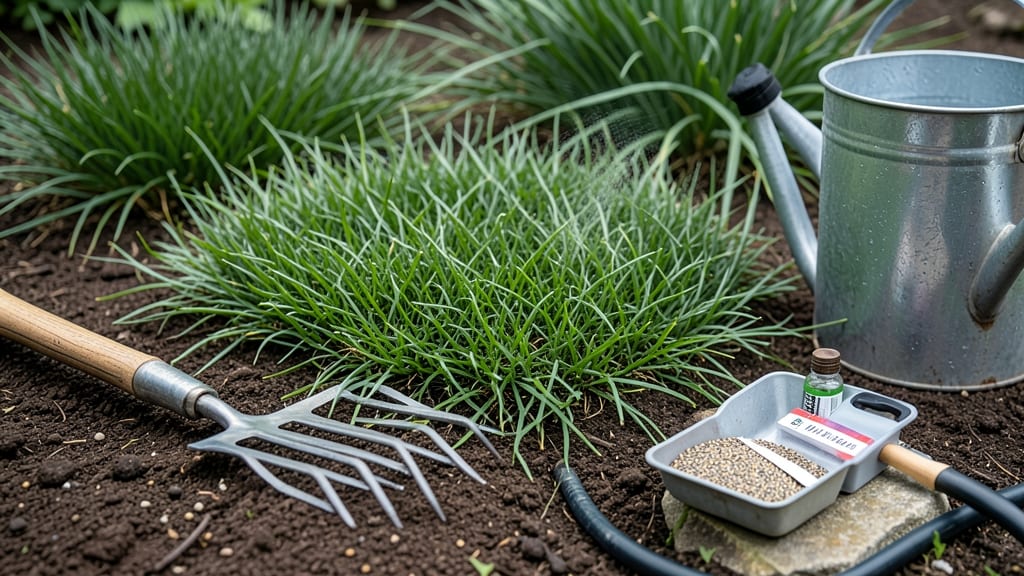
Planting grass seed in Illinois at the right time is the difference between a lush, green lawn and a patchy, weed-infested mess.
Timing your grass seed planting in Illinois wrong can mean weak germination, weed competition, or wasted money—but getting it right guarantees a lush, durable lawn year after year.
With USDA zones 5a-6b and unpredictable frost dates, the key is planting 4-6 weeks before the first frost or after the last spring freeze. Early fall and spring are your best bets, but soil temperature matters just as much as the calendar.
Below, I break down the exact windows for fast germination, how to prep your soil for Illinois’ clay-heavy dirt, and the three mistakes that kill even the best seed.
Best planting months for Illinois grass seed by USDA hardiness zones
Timing your grass seed planting in Illinois depends heavily on your USDA hardiness zone (5a-6b) and the type of grass variety you're growing.
Cool-season grasses like tall fescue and Kentucky bluegrass thrive when planted in early fall or early spring, while warm-season grasses like Bermuda or Zoysia need the late spring heat. Getting this right means faster germination and a stronger lawn.
Illinois' climate varies from cool northern zones (5a) to warmer southern zones (6b), which affects when your soil reaches ideal planting temperatures.
For most of the state, September-October (early fall) is the best window because cooler temps reduce stress on seedlings, while March-April (early spring) works for warm-season grasses or late replanting.
Here’s your zone-specific planting guide with ideal soil temps and frost-free windows to maximize success:
For cool-season grasses, early fall planting (4–6 weeks before frost) gives seedlings time to establish roots before winter. In USDA zone 5a, aim for late August–September when soil temps hover around 50–65°F. Spring planting in March–April works too, but you’ll face weed competition if you delay.
Warm-season grasses like Bermuda or Zoysia need warmer soil temps (65°F+), making late spring (May–June) the sweet spot in zones 6a–6b. Planting too early risks seed rot from cold soil, while waiting too long lets weeds take over. Use a soil thermometer to confirm readiness.
Pro tip: If you’re overseeding in late summer, choose drought-tolerant varieties like tall fescue and water deeply twice daily until germination. In spring, focus on weed control before planting to give your new grass a fighting chance.
Remember, Illinois’ unpredictable weather can shift frost dates by weeks. Check your local Cooperative Extension Service for last-frost averages—this ensures you’re planting at the optimal window for your specific microclimate.
Once you’ve nailed the timing, the next critical step is soil preparation. Loosen the top 2–3 inches of soil, remove debris, and add compost to improve drainage. This sets your new grass up for strong root development from day one.
With the right planting window and soil prep, your Illinois lawn will germinate 2–3 weeks faster and outcompete weeds naturally. Start planning now
How to prepare Illinois soil for maximum grass seed germination
Getting your Illinois soil ready for grass seed germination is half the battle to a thick, green lawn. Cool-season grasses like tall fescue and Kentucky bluegrass thrive when soil conditions are just right—pH balanced, loose, and rich in organic matter.
Skipping these steps often leads to slow sprouting or patchy growth, no matter how good your seed is.
First, test your soil pH—Illinois lawns perform best in a 6.0 to 7.0 range. Most native soils lean acidic, so you may need lime to adjust.
Use a soil test kit (available at garden centers) for accuracy. If your pH is off, amend it 4-6 weeks before planting to give amendments time to integrate.
⚠️ WARNING: Planting in Unprepared Illinois Soil?
⚠️ Poor soil prep = wasted seed! Illinois clay soils compact easily, suffocating young roots. If you skip aeration or ignore organic matter, your grass will struggle even with perfect timing. Test soil depth—tilling only 2-3 inches deep is enough, but compacted layers below can block root growth. Add compost (1 inch) before tilling for best results. Fall planting? Aerate 2 weeks before seeding to break up thatch.
Next, till the soil to a depth of 2-3 inches, breaking up clumps and old grass roots. This creates a seed-friendly surface while exposing buried nutrients. For clay-heavy soils common in Illinois, mix in sand or compost to improve drainage—30% organic matter is ideal for germination.
Avoid over-tilling, which can bury seeds too deep.
Timing your aeration is critical. For spring planting, aerate 2 weeks before seeding to let soil settle. In fall, aerate 4-6 weeks before the first frost to give roots time to establish.
Use a core aerator (not spike aerators) to pull small soil plugs—this creates air pockets for roots to spread.
Finally, level the soil with a rake, removing rocks or debris larger than 1/4 inch. A smooth surface ensures even seed-to-soil contact, which is vital for uniform germination. Lightly water the area 24 hours before planting to help seeds stick and hydrate quickly once scattered.
With these steps, your Illinois lawn soil will be primed for 90%+ germination rates. The key? Don’t rush—amend, aerate, and test early. Your future lawn will thank you. 🌱