
Planting
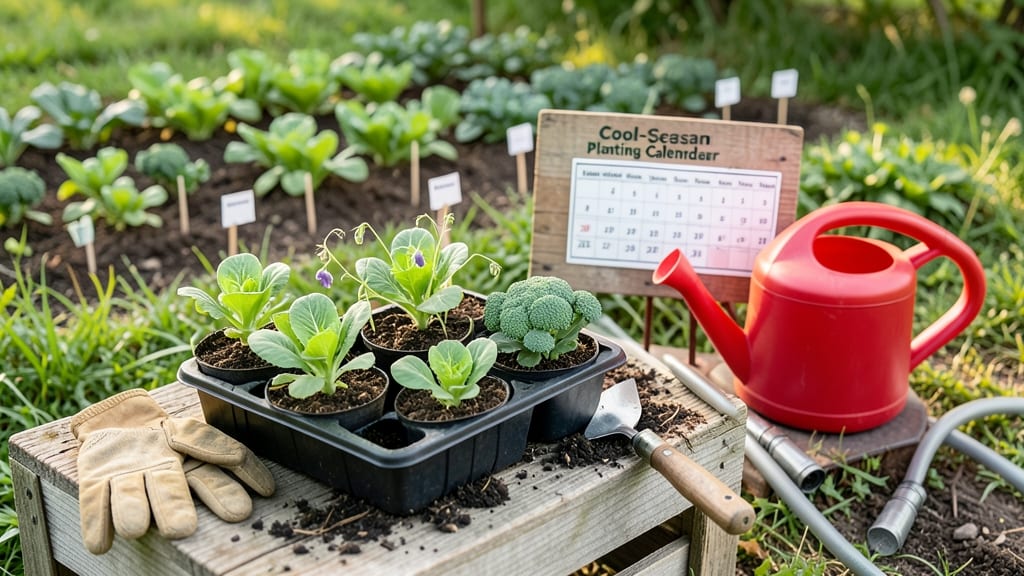
Planting a garden in Michigan at the right time means the difference between a bountiful harvest and a sad pile of frost-nipped seedlings.
Michigan’s unpredictable spring weather can leave even experienced gardeners guessing—plant too early, and frost ruins your crops; too late, and you miss peak harvests. But with the right timing tied to USDA zones, you can maximize your garden’s potential year after year.
In zones 5b-6b, the best window for cool-season crops like lettuce and peas opens in mid-April, while warm-season favorites like tomatoes and peppers wait until after the last frost—usually mid-to-late May. Fall planting kicks off in late July for a second harvest before frost.
Below, I break down the exact planting schedule for your zone, how to prep soil, and when to watch for those sneaky late frosts that catch gardeners off guard.
Michigan’s USDA zones & their ideal planting windows for vegetables, flowers, and herbs
Michigan spans USDA Hardiness Zones 4a through 6b, meaning gardeners in the Upper Peninsula face colder springs than those in southern Michigan. These zones determine when to plant your cool-season crops like lettuce and warm-season crops like tomatoes. Understanding your zone helps you avoid frost damage while maximizing harvests.
Most of Michigan’s last spring frost occurs between mid-April and early May, while the first fall frost arrives between mid-October and early November. These dates shift slightly by zone—Zone 4a (UP) has later springs and earlier falls than Zone 6b (southern MI).
Planning around these averages ensures your plants thrive.
Below is a zone-by-zone breakdown of ideal planting windows for vegetables, flowers, and herbs. Use this as your guide to time sowing, transplanting, and succession planting for a continuous harvest from spring to fall.
| USDA Zone | Last Spring Frost | First Fall Frost | Cool-Season Planting | Warm-Season Planting | Fall Planting Window |
|---|---|---|---|---|---|
| 4a (UP) | May 15–June 1 | Sept 15–Oct 1 | April 1–May 15 | June 15–July 1 | Aug 1–Sept 15 |
| 4b (Northern MI) | May 1–May 15 | Sept 30–Oct 10 | April 15–May 1 | May 20–June 10 | Aug 15–Sept 30 |
| 5a (Central MI) | April 25–May 10 | Oct 1–Oct 15 | April 1–April 30 | May 10–May 25 | Aug 1–Oct 1 |
| 5b (Southern MI) | April 15–April 30 | Oct 10–Oct 25 | March 20–April 15 | April 25–May 15 | Aug 15–Sept 30 |
| 6a/6b (Southeast MI) | April 1–April 15 | Oct 20–Nov 1 | March 15–April 1 | April 15–April 30 | Sept 1–Oct 15 |
In Zone 4a, your growing season is shorter, so focus on fast-maturing varieties of tomatoes and peppers. Start cool-season crops like spinach and peas indoors in March to transplant after the last frost.
In Zone 6b, you can push the envelope with late summer plantings of warm-season crops like basil or cucumbers.
For warm-season crops like tomatoes, peppers, and squash, wait until soil temperatures reach 60°F (use a soil thermometer).
How to adjust planting times for Michigan’s microclimates and unpredictable weather
Michigan’s weather is famously fickle—one day brings 60°F warmth, the next a 28°F frost. Urban Detroit might thaw weeks earlier than rural Upper Peninsula areas, creating microclimates that challenge even seasoned gardeners.
The key to success? Flexible timing strategies that account for local frost data, weather forecasts, and season-extending tools like row covers and cold frames.
Start by tracking your last spring frost date using the Midwestern Regional Climate Center’s historical data (average May 10–20 for southern Michigan, May 25–June 5 for northern zones).
Pair this with a soil thermometer—cool-season crops like spinach and peas need soil temps of 40–50°F, while warm-season tomatoes and peppers require 60°F+.
- Use row covers to plant 3–4 weeks earlier for cool-season crops like lettuce and kale. Remove covers when plants flower to prevent heat stress.
- Set up cold frames in late winter to start hardy greens (e.g., swiss chard) 6–8 weeks before last frost. Extends harvests into November.
- Adjust urban vs. rural timing: City gardens (e.g., Ann Arbor) warm 1–2 weeks faster than rural areas (e.g., Traverse City). Plant warm-season crops 7–10 days later in cooler microclimates.
- Implement succession planting for fast-growing crops like radishes (30 days) or bush beans (50 days). Sow every 2 weeks from May to July for continuous harvests.
- Monitor 7-day forecasts from the National Weather Service. If a frost warning appears, cover tender plants with frost cloth or move potted herbs indoors overnight.
For urban gardeners, leverage south-facing walls or greenhouse setups to create microclimates that trap heat. In rural areas, focus on windbreaks (e.g., cornstalks or hedges) to protect seedlings from late-spring winds, which can mimic frost damage.
My backyard in Kalamazoo stays 5°F warmer near the brick house than the open field—perfect for early tomato starts.
Don’t rely solely on calendar dates. Instead, use the "leaf-out test": When maple trees fully leaf out (usually late April–early May), it’s safe to plant cold-hardy crops. For warm-season plants, wait until lilacs bloom (mid-May) as a natural cue.
Pair this with a plant hardiness test—bury seedlings in 50°F soil for 24 hours to check for chilling injury.
Extend your fall harvests by planting cool-season crops like kale and carrots in late July. Use black plastic mulch to absorb heat during the day and insulate roots at night.
In USDA Zone 5b, I’ve harvested spinach until early December with these methods—just cover rows with straw mulch when first frost nears.
When all else fails, start indoors. Seedlings for tomatoes, peppers, and eggplants need 6–8 weeks of head starts. Use a grow light to simulate 14–16 hours of daylight and harden off plants by gradually reducing heat and increasing airflow 1 week before transplanting.
This buffer gives you flexibility if unpredictable weather delays outdoor planting.