
Planting
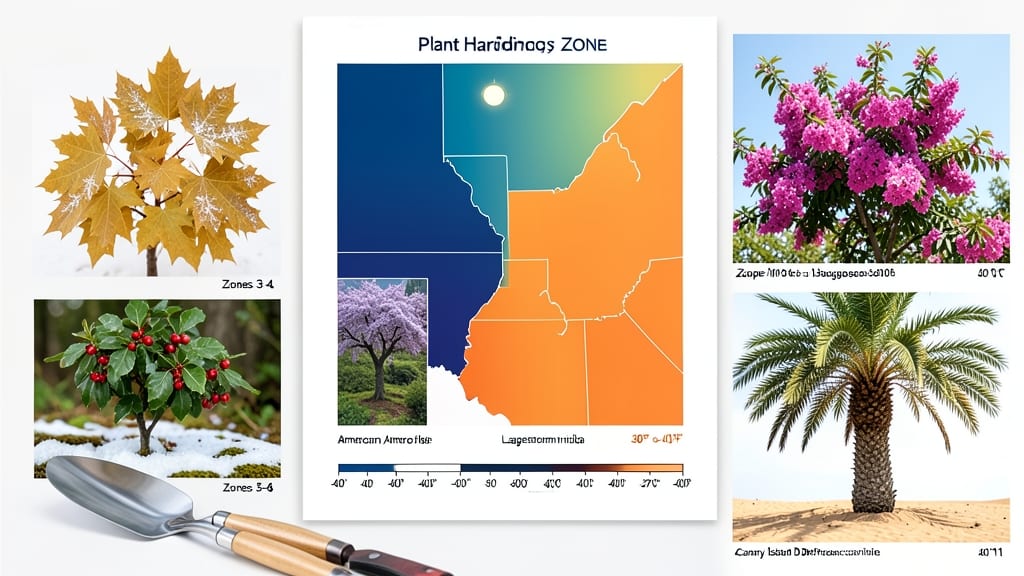
💥 Quick Answer The definition of plant hardiness zones is a system that maps geographic regions where specific plants can thrive outdoors year-round by accounting for average minimum winter temperatures, helping gardeners choose plants suited to their local climate.
The definition of plant hardiness zones, developed by the USDA, divides North America into numbered regions based on 10°F temperature increments, with Zone 1 being the coldest (-60°F) and Zone 13 the warmest (60°F+). 🌡️ The system accounts for historical climate data and helps explain why certain plants flourish in some areas but fail in others.
For example, a Zone 5 plant like a peony won't survive winters in Zone 9 without protection, while a Zone 10 palm would freeze in Zone 7. The zones also shift slightly over time due to climate change, making it important to check updated maps every few years.
Beyond the base zone number, gardeners should consider microclimates—small areas with unique conditions like sunny slopes or sheltered valleys that may allow slightly harder or softer plants.
For instance, a south-facing wall can create a Zone 2 microclimate in an otherwise Zone 3 area, letting you grow plants one zone warmer. Always check a plant's label for its hardiness range, and when in doubt, opt for slightly more cold-resistant varieties to ensure survival.
💡 In This Article
- How USDA Plant Hardiness Zones Are Calculated
- Using Hardiness Zones to Choose the Right Plants
How USDA plant hardiness zones are calculated
The USDA plant hardiness zone system relies on 30 years of historical temperature data collected from weather stations across North America. Scientists analyze the average annual minimum winter temperatures—those bone-chilling lows that determine whether a plant will freeze or survive.
These temperatures are then grouped into 10°F increments, creating zones numbered from 1 (coldest, -60°F) to 13 (warmest, 60°F+), with half-zones (like 5a or 7b) accounting for 5°F differences within each zone.
Here's how the math works: If your area's average minimum winter temperature is -15°F, you fall in Zone 4a. But if it's -10°F, you're in Zone 4b. The system also considers extreme lows—a plant labeled "Zone 5" might survive a -20°F night in Zone 4 if it's well-established, but a -30°F dip could be fatal. 🌡️ This precision helps explain why a Zone 6 hydrangea thrives in the Midwest but blackens in a Zone 4 winter.
Climate change complicates these calculations. Since the 1990s, zones have shifted one-half zone warmer in many regions due to rising temperatures. For example, parts of Zone 5 now experience winters more akin to Zone 6.
The USDA updates its map every 10 years—the next revision is expected in 2025—and gardeners should verify their zone annually using tools like the USDA Interactive Plant Hardiness Map, which overlays temperature data with satellite imagery for accuracy.
Temperature isn't the only factor, though. Elevation plays a role: A mountain garden in Zone 6 might experience Zone 4 conditions due to colder air at higher altitudes.
Similarly, urban areas can be 2-5°F warmer than rural zones because asphalt and buildings trap heat—a phenomenon called the "urban heat island effect." These nuances mean your actual growing conditions might differ from the official zone designation.
For example, Denver, Colorado (officially Zone 5b), has microclimates where Zone 6 plants thrive near south-facing walls, while exposed areas may still see Zone 4 temperatures.
This is why gardeners often test plants in containers first—if a Zone 7 rose survives a Zone 6 winter in a pot, you can gradually acclimate it to the ground over 2-3 years.
The zone system also accounts for plant acclimation. Some species, like Russian olive trees, can tolerate Zone 3 temperatures after years of growth, while others, like citrus trees, are permanently limited to Zone 9+.
This flexibility is why gardeners in borderline zones often choose "cold-hardy" varieties of familiar plants—like Zone 4-tolerant daylilies instead of tropical hibiscus.