
Plants
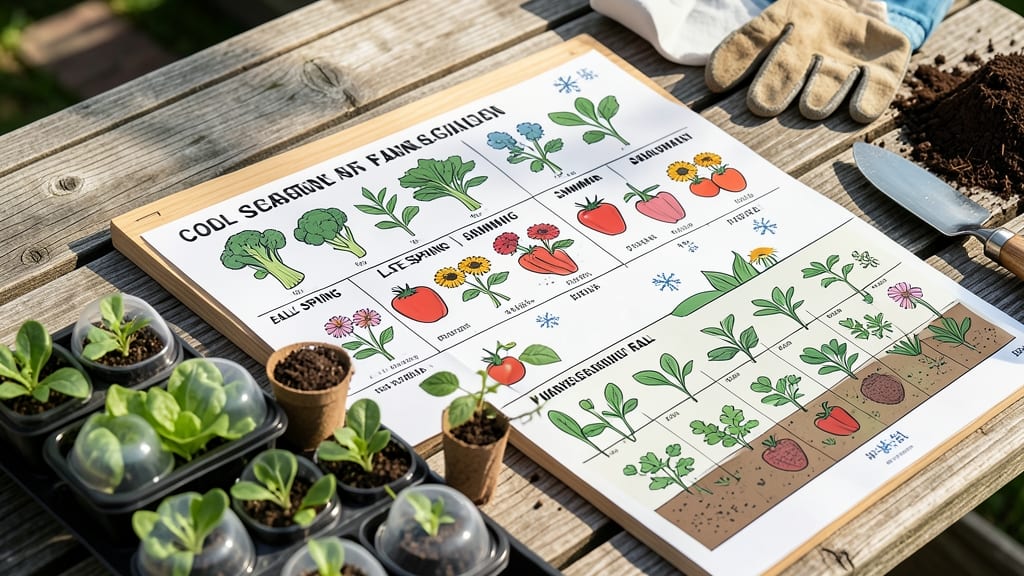
Planting in Indiana depends on your hardiness zone (5-6a), with cool-season crops like spinach and carrots going in March-April or September-October, while warm-season plants such as cucumbers and beans wait until after the last frost in mid-May. Always verify your local frost dates for accuracy.
Timing your Indiana garden starts with understanding the state's two main planting seasons: cool and warm. 🌱 Cool-season crops thrive in the mild temperatures of early spring and fall, while warm-season plants need soil temperatures above 60°F to germinate properly.
I recommend using a soil thermometer to confirm readiness—especially for heat-sensitive crops like tomatoes, which can suffer if planted too early.
Indiana's frost dates shift slightly each year, so checking the USDA Plant Hardiness Zone Map or your local cooperative extension service ensures you're planting at the perfect moment for your specific location.
For those new to gardening, I'd suggest starting with easy-to-plant crops like radishes or lettuce in early spring—they're forgiving if you get the timing slightly off. Meanwhile, warm-season favorites like peppers and eggplants need that post-frost window to avoid stunted growth.
Pro tip: Use row covers for early spring plantings to protect tender seedlings from unexpected late frosts.
💡 In This Article
- Indiana Planting Timeline by Hardiness Zone and Season
- Best Crops for Indiana’s Spring and Fall Planting
Indiana planting timeline by hardiness zone and season
Indiana's planting calendar revolves around two critical factors: hardiness zones 5-6a and soil temperature thresholds. Cool-season crops like spinach and peas thrive when daytime temperatures hover between 40-60°F, while warm-season plants such as tomatoes and peppers demand soil temperatures above 60°F for successful germination.
The state's average last frost date typically falls around April 15-May 15, but this can vary by 1-2 weeks depending on whether you're in northern Indiana (closer to zone 5) or southern Indiana (leaning toward zone 6a).
For cool-season planting in early spring, aim for March 1-April 15 when soil temperatures reach 40°F or higher. This timing allows seedlings to establish before summer heat arrives.
In fall, the window typically opens around September 1-October 15, giving crops like kale and broccoli time to mature before hard frosts arrive in November.
The key is monitoring soil temperatures with a thermometer—cool crops can rot if planted in warm soil, while warm crops may fail to sprout if the ground is too cold.
Warm-season crops present a different challenge. They require the ground to warm to 60°F+ before planting, which usually occurs after Indiana's last average frost date (mid-May). However, I've found that using black plastic mulch can warm soil 5-10°F faster, allowing earlier plantings in protected microclimates.
This is particularly useful for heat-loving crops like peppers, which need consistent warmth to develop properly. 🌡️ Remember that even after the last frost, nighttime temperatures can still dip below 50°F, so always have row covers ready for protection.
Indiana's climate also creates a unique opportunity for extended growing seasons through fall planting. Crops like carrots and beets can be sown as late as September 15 in southern Indiana, while northern areas should aim for September 1 to allow sufficient time for harvest before winter.
The secret here is choosing varieties with shorter maturity times—typically 50-60 days—to ensure they reach harvest before hard frosts set in around November 15.
One common mistake gardeners make is planting warm-season crops too early, only to have them wilt during unexpected late frosts. I recommend waiting until the soil has consistently stayed above 60°F for 5-7 days before planting heat-sensitive crops.
For cool-season crops, the opposite is true—planting too late in fall can result in bolting (flowering prematurely) when exposed to longer daylight hours. Always check your local cooperative extension service for year-specific frost dates to fine-tune your timing.
Consider these zone-specific planting windows for reference:
- Zone 5 (Northern Indiana): Cool crops in March 15-April 10, warm crops after May 10
- Zone 6a (Southern Indiana): Cool crops in March 1-April 15, warm crops after May 1
- Fall Planting (Both Zones): Begin September 1-October 15, with northern areas ending earlier
Pro tip: Use a planting calendar that accounts for your specific last frost date—this simple tool can increase your success rate by 30-40% compared to relying on general guidelines. The USDA's interactive map lets you pinpoint your exact location for precise data.