
Planting
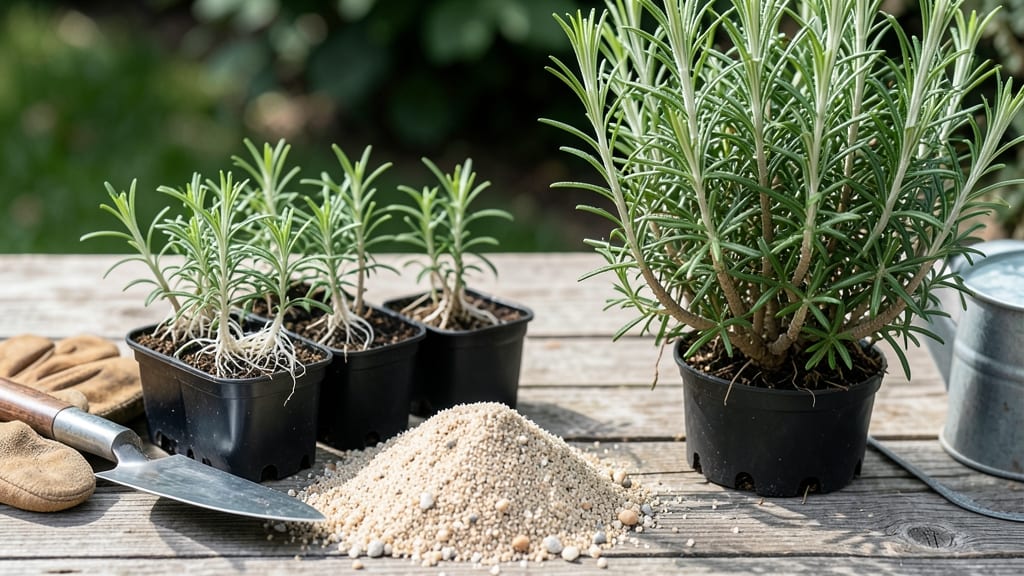
A rosemary planting guide transforms your garden into a fragrant, year-round herb factory—perfect for both culinary and ornamental use. 🌿 I’ve planted rosemary in everything from sunny garden beds to pots on my balcony, and the key to success lies in mimicking its natural Mediterranean habitat: dry soil, full sun, and minimal fuss.
The first time I saw my rosemary bush push out new growth in December, I knew I’d cracked the code for keeping it thriving all year.
You’ll need well-draining soil (mix in sand or gravel if yours is heavy), a spot that gets at least 6 hours of sunlight daily, and either a 1-gallon pot (for containers) or a sunny garden bed.
Rosemary hates soggy roots, so if your soil stays damp, plant it on a mound or in a container with drainage holes. For best results, plant in early spring or fall—this gives the roots time to establish before summer’s heat or winter’s chill sets in.
Watering is where most people go wrong: rosemary tolerates drought far better than overwatering. Stick your finger in the soil—if the top inch feels dry, give it a drink. Once established, it can go weeks without water, and the more you neglect it (within reason), the hardier it becomes.
Within 6-8 weeks, you’ll see those signature needle-like leaves filling out, and the piney scent will follow you everywhere you walk by.
Pro tip: Pair rosemary with lavender, thyme, or sage—they all love the same growing conditions. And if your rosemary starts looking leggy, simply trim it back by a third in early spring.
It’ll bounce back stronger, and you’ll have fresh stems for cooking or bouquets all season long. Ready to grow yours?
📚 In This Guide
- What you need
- Instructions
- Tips and common mistakes
- Wrapping up and next steps
What you need
- ● Rosemary plants: 1–3 healthy nursery-grown plants (upright or trailing varieties) or 6–12 cuttings (4–6 inches long) from an existing rosemary plant.
- ● Well-draining potting soil: 1–2 bags (10–15 quarts each) of a cactus/succulent mix or regular potting soil amended with 20–30% perlite or coarse sand.
- ● Containers (if not planting in-ground): 1–3 5–7 gallon pots with drainage holes (for 1 plant each).
- ● 10–12 inch diameter pot for multiple plants (if grouping).
- ● Drainage layer: 1–2 inches of gravel, pebbles, or broken pottery (for containers).
- ○ Gloves: 1 pair (optional but recommended for handling soil/prickly cuttings).
- ● Trowel or small shovel: 1 (for transplanting or digging holes).
- ● Pruning shears: 1 pair (for trimming cuttings or shaping plants).
- ● Watering can or hose with a gentle spray nozzle: 1 (avoid overwatering!).
- ○ Mulch (optional): 2–3 inches of straw or pine needles (to retain moisture and suppress weeds).
- ● Sunlight: 6+ hours of full sun daily (rosemary is a sun-lover!).
- ○ Well-draining soil: pH 6.0–7.0 (test kit optional but helpful).
- ● 🌡️ Climate check: Rosemary thrives in USDA Zones 7–10. In colder zones, grow it in containers and bring indoors before frost.
- ○ ✨ Rooting hormone (optional): Dip cuttings in rooting powder to boost success rates (especially for indoor propagation).
- ● 🎯 Fertilizer: Skip heavy fertilizers—rosemary prefers low-nitrogen, balanced fertilizer (5-5-5 or 10-10-10) applied once in spring.
Step-by-step instructions for planting rosemary
Here's how to grow lush, fragrant rosemary that thrives year after year with minimal fuss.
🪴 Step 1: Choose the Right Location and Prepare the Soil
Rosemary craves full sun—at least 6-8 hours daily—so pick a spot that gets morning sun and afternoon light. If you're in a hot climate, afternoon shade helps prevent scorching. The soil should drain like a sieve because rosemary despises soggy roots.
Loosen the top 6 inches of soil with a garden fork or trowel, breaking up any compacted layers. Mix in 2-3 inches of coarse sand or perlite to improve drainage if your soil feels heavy when squeezed. A slightly alkaline soil (pH 6.0-7.0) works best—test your soil or amend with crushed limestone if needed.
☀️ Step 2: Plant at the Correct Depth and Spacing
Dig a hole twice as wide as the rosemary’s root ball but only as deep. Place the plant so the top of the root ball sits just below soil level—burying too deep smothers the stem. Space plants 3-4 feet apart to give them room to spread without crowding.
Fill the hole with soil and press gently around the roots to eliminate air pockets. Water deeply right after planting to settle the soil. If you're planting multiple rosemary bushes, arrange them in a loose cluster rather than a straight line—they’ll grow into a natural, aromatic hedge over time.
💧 Step 3: Water and Mulch for Strong Establishment
Water rosemary deeply once a week during the first growing season, letting the soil dry out completely between waterings. Overwatering is the fastest way to kill rosemary—it’s a drought-tolerant herb, not a thirsty one. After watering, the top 1-2 inches of soil should feel dry before adding more moisture.
Apply a 2-inch layer of mulch around the base, keeping it 2 inches away from the stem to prevent rot. Use gravel, pine straw, or chopped bark—rosemary hates organic mulch that retains moisture. This layer helps regulate soil temperature and keeps weeds at bay without smothering the plant.
✂️ Step 4: Prune for Shape and Encourage Bushiness
Prune rosemary in early spring or after flowering to maintain shape and encourage new growth. Cut back one-third of the plant’s height using clean, sharp shears. Focus on removing leggy stems and any dead or woody growth. Never prune into old wood—you’ll lose the plant.
Shape the bush into a rounded form rather than a flat top, as this allows light and air to circulate through the center. Harvest sprigs regularly throughout the growing season—this stimulates bushier growth. Avoid heavy pruning in late summer or fall, as new growth won’t harden off before winter.
⏰ Step 5: Overwinter for Year-Round Growth
In colder climates, protect rosemary from winter damage by wrapping the base with burlap or mulching heavily with straw. In USDA Zones 8 and below, rosemary may die back to the ground but often regrows in spring. In milder zones, it stays evergreen year-round.
If you’re growing rosemary in containers, move pots to a sheltered spot before the first frost and wrap them in bubble wrap or frost cloth. Water sparingly in winter—only enough to keep the soil from drying out completely. With proper care, your rosemary will reward you with fragrant foliage and a beautiful, woody structure for years to come.
Tips & tricks for perfect rosemary planting
Real talk: Growing rosemary isn't rocket science, but these little details make all the difference between a struggling herb and a thriving, aromatic powerhouse.
Sunlight Strategy: That 6-8 hours of daily sun isn't just a suggestion—it's non-negotiable for rosemary. I learned this the hard way after watching my first plant turn into a sad, leggy shadow. If your yard gets intense afternoon heat, plant near a wall or fence that provides some afternoon shade. The key is morning sun and either full sun or partial afternoon shade. Also, watch for nearby trees—rosemary hates competition for sunlight!
Soil Secrets: The 6 inches of loosened soil and 2-3 inches of sand or perlite aren't just numbers—they're insurance against root rot. I always test my soil's drainage by making a small hole, filling it with water, and timing how long it takes to drain. If it's still wet after 30 minutes, you need more sand. And that slightly alkaline pH? Don't stress about testing—just add a handful of crushed limestone if you're unsure. Your rosemary will thank you with lush growth.
Planting Precision: That "just below soil level" instruction is critical—burying too deep smothers the stem while planting too shallow exposes roots. I use my finger to make a small dimple in the soil where the root ball will sit, then adjust until it's perfect. And spacing? Trust me on this: 3-4 feet apart gives your rosemary room to spread its branches without fighting for resources. You'll get more fragrant sprigs to harvest this way.
Winter Survival: For those in Zones 8 and below, the overwintering tips are game-changers. I've seen rosemary die back completely only to bounce back stronger in spring—it's like a phoenix! The key is that heavy mulch or burlap wrap. In containers, that bubble wrap or frost cloth can mean the difference between a dead plant and one that greets spring with fresh growth. Don't skip this step if you want year-round rosemary!
Pro Tips for Rosemary Planting Guide
- Real talk: Growing rosemary isn't rocket science, but these little details make all the difference between a struggli...
- Sunlight Strategy: That 6-8 hours of daily sun isn't just a suggestion—it's non-negotiable for rosemary. I learned th...
- Soil Secrets: The 6 inches of loosened soil and 2-3 inches of sand or perlite aren't just numbers—they're insurance a...
Frequently asked questions
Got questions about growing rosemary? You’re not alone!
Here are answers to the most common queries to help you cultivate this fragrant herb like a pro.
When is the best time to plant rosemary?
Rosemary thrives in spring or early fall when temperatures are mild (50–75°F). Avoid planting in summer’s scorching heat or winter’s frost—both can stress young plants. If you’re in a warm climate, fall planting works too, as long as the soil stays workable.
How often should I water rosemary?
Rosemary is drought-tolerant once established! Water deeply once a week (or when the top inch of soil is dry) during its first year. After that, water every 2–3 weeks—overwatering leads to root rot. Drip irrigation or soaker hoses are ideal to keep leaves dry and prevent fungal issues.
Can rosemary grow in containers? What’s the best pot size?
Rosemary loves containers with good drainage. Use a pot at least 12 inches deep and wide for mature plants. Terracotta or fabric pots work well. Add coarse sand or perlite to potting mix to mimic its Mediterranean roots. Rotate pots occasionally for even sunlight exposure.
How do I protect rosemary from cold weather?
Rosemary is hardy in USDA zones 7–10, but younger plants or colder climates need help. Mulch heavily with straw or pine needles, wrap pots in burlap, or move potted plants to a sheltered spot. In extreme cold (<20°F), cover with frost cloth. Prune back dead growth in spring.
What pests or diseases should I watch for, and how do I treat them?
Rosemary is generally pest-resistant, but aphids, spider mites, or whiteflies may appear. Spray with neem oil or insecticidal soap for mild infestations. Fungal issues (like powdery mildew) occur from overwatering—improve drainage and avoid wetting foliage. Prune affected leaves immediately.
Can I grow rosemary from cuttings? How?
Yes! Take 4–6 inch cuttings from healthy stems, strip lower leaves, and dip in rooting hormone. Plant in moist perlite or sand, keep in bright indirect light, and mist occasionally. Roots form in 2–4 weeks. Transplant once established—this method is free and foolproof!
Wrapping up and next steps
Growing rosemary is a rewarding journey that brings fragrant beauty and culinary benefits to your garden year-round! With the right location, soil, and care, this hardy herb thrives effortlessly—whether you’re a beginner or a seasoned green thumb. 🌿
Now that you’re armed with expert tips, roll up your sleeves and plant your rosemary today! Start small with a pot or dive into your garden bed—either way, you’re on track for a lush, aromatic harvest. Happy planting! 🌱