
Plants
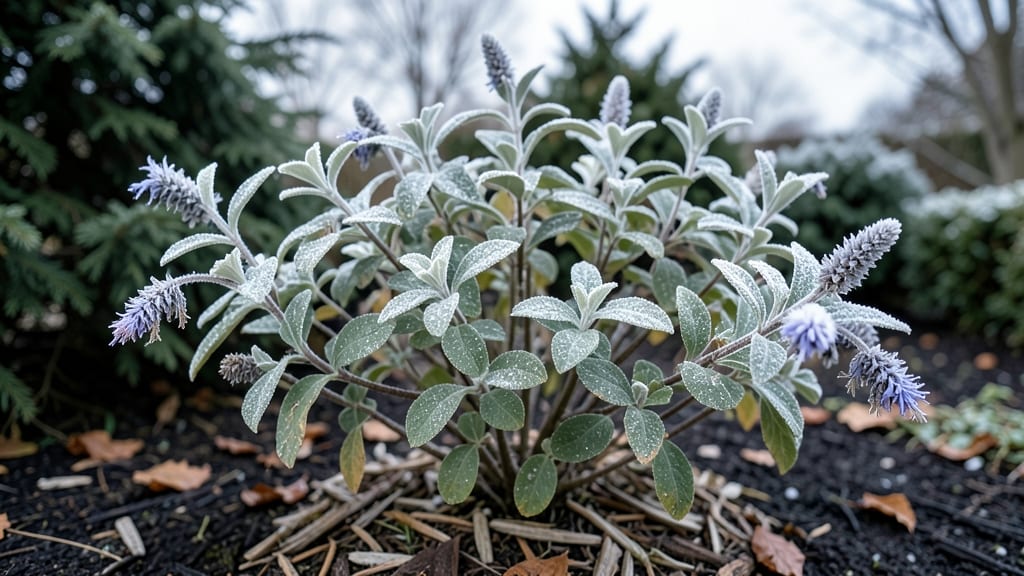
Bluebeard plant winter survival depends on USDA hardiness zones 5-9, where proper insulation with mulch, frost blankets, or burlap wraps protects roots and stems from temperatures below 10°F.
Bluebeard plants (Caryopteris) are surprisingly resilient once you understand their winter needs. 🌿 In zones 5-7, the roots can handle freezing, but the stems often suffer without protection—think of it like giving your plant a cozy winter jacket.
I’ve found that adding a thick layer of mulch around the base and wrapping the stems with burlap works wonders, especially in areas where temperatures dip below 10°F.
The key is acting before the first hard frost, as the plant’s dormancy period begins when nighttime temps consistently drop below 40°F. This preparation ensures your bluebeard will bounce back with vibrant foliage in spring.
What many gardeners overlook is the timing of spring cleanup. Removing protective coverings too early can expose tender new growth to late frosts, while leaving them on too long may trap moisture and encourage rot.
I recommend checking the forecast and peeling back wraps gradually in early spring once daytime temperatures consistently stay above 50°F. This balance is crucial for a healthy regrowth season.
💡 In This Article
- Bluebeard Plant Cold Tolerance by Zone
- Step-by-Step Winter Protection for Bluebeard Plants
Bluebeard plant cold tolerance by zone
The bluebeard plant's winter resilience varies dramatically between its roots and stems. In zones 6-9, the roots can endure temperatures down to -10°F to 0°F, thanks to their deep underground structure that naturally insulates against cold.
However, the stems and foliage are far more vulnerable—exposure to below 10°F often causes irreversible damage, turning the delicate blue-green leaves brown and brittle. This is why gardeners in zones 5-6 must focus on protecting the above-ground portions while letting the roots fend for themselves.
What triggers dormancy in bluebeard plants is a combination of decreasing daylight and dropping temperatures. When nighttime temps consistently fall below 40°F for several weeks, the plant slows its metabolic processes and sheds foliage to conserve energy.
This natural adaptation explains why pruning back dead growth in late winter (February to early March) promotes healthier regrowth—removing damaged stems allows energy to focus on new shoots rather than repairing old ones. 🌟 The plant's ability to regenerate from its root system is remarkable, but only if the roots themselves remain unfrozen.
Frost plays a unique role in bluebeard plant survival. While a light frost (28-32°F) may only cause superficial damage to leaves, prolonged exposure to below 10°F can kill stems outright.
The real danger comes when frost penetrates the plant's cellular structure, causing ice crystals to form within the stems. This disrupts the plant's vascular system, making it difficult for nutrients and water to flow when spring arrives.
Gardeners in zone 5 often report that their bluebeard plants recover fully from root damage but struggle with stem dieback if not properly insulated.
Zone-specific behaviors emerge when examining regrowth patterns. In zone 9, where winters rarely drop below 20°F, bluebeard plants often retain some foliage through winter and emerge with minimal intervention. But in zone 5, where temperatures can plunge to -15°F, even well-mulched plants may lose all above-ground growth.
The difference lies in how quickly the plant can regenerate from its root crown—typically within 4-6 weeks of consistent above-freezing temperatures in spring. This is why early spring monitoring is critical for zone 5 gardeners.
Consider these key factors when assessing your bluebeard's winter readiness:
- Root zone depth: Bluebeard roots extend 12-18 inches deep, providing natural insulation but requiring protection from extreme surface freezing
- Foliage response: Leaves will turn brown and crispy at 25°F but stems begin dying at 15°F
- Regrowth timing: New shoots appear when soil temps reach 50°F consistently for 3-5 days
The science behind this zone-specific resilience lies in the plant's cellular composition. Bluebeard plants produce high concentrations of antifreeze proteins in their roots during winter, which prevent ice crystal formation in cellular fluids.
However, these proteins are concentrated in the roots—above-ground stems lack this protection, making them the plant's winter weak point. 🔥 Understanding this biological mechanism helps explain why root insulation alone isn't always sufficient in the harshest zones.