
Planting
Gardening in the hardiness zone 9 and 10 means your garden never sleeps—just look at my tropical-looking bougainvillea blooming in January. 🌺 The key isn't just picking heat-loving plants; it's mastering the rhythm of warm winters, intense summers, and unpredictable frosts that can sneak in.
I've learned which varieties thrive year-round and how to protect them when temperatures dip unexpectedly.
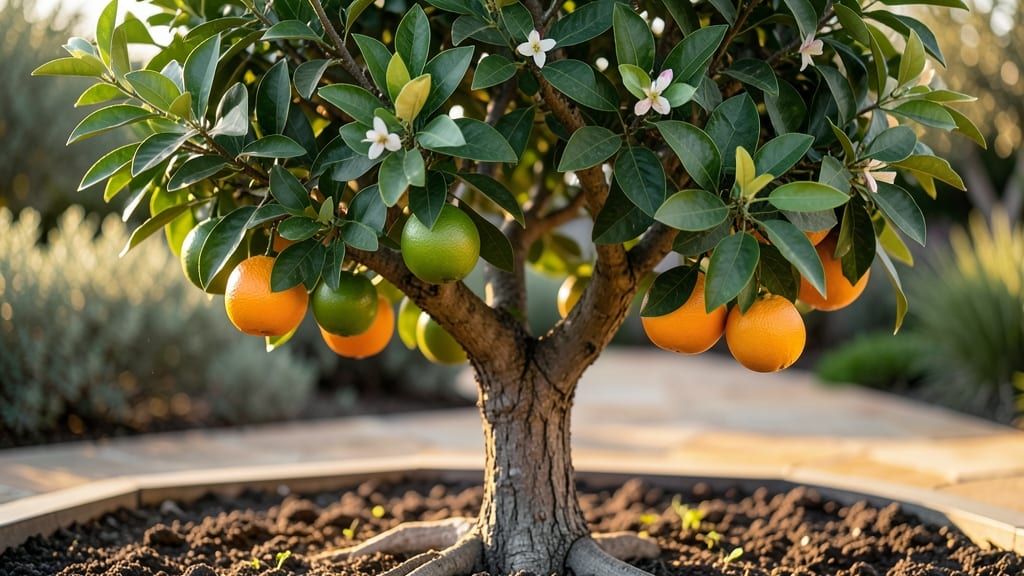
Native plants like Texas Sage and Mexican Feather Grass handle the heat and drought like pros, while citrus and avocado trees reward patience with juicy harvests.
The trick is matching watering schedules to seasonal shifts—deep soakings in summer, lighter touches in winter—and knowing when to shield tender plants with frost cloth. My garden produces year-round greens and flowers because I've adapted to the climate's quirks.
You'll end up with a garden that stays vibrant through every season, from frost-kissed mornings to scorching afternoons. The right plants paired with smart care mean fewer struggles and more rewards—think lemon trees in bloom while others are still shivering. Let's make the most of your warm-weather growing potential.
Whether you're dealing with coastal humidity or desert heat, these strategies scale easily. The same principles work for containers, raised beds, or in-ground plots—just adjust for your microclimate. Here's how to keep your garden thriving when others are still dreaming of spring.
📚 In This Guide
- What you need
- Instructions
- Tips and common mistakes
- Wrapping up and next steps
What you need
- ● Soil: 50 lbs of well-draining potting mix (e.g., Miracle-Gro or FoxFarm Ocean Forest) + 20 lbs of compost (for nutrient-rich soil).
- ● Containers: 3–5 large pots (10–15 gallons) with drainage holes (e.g., fabric grow bags or ceramic pots).
- ● Seeds/Plants: Zone-9/10-friendly annuals (e.g., 10 tomato seeds, 5 basil plants).
- ● Perennials like bougainvillea, citrus trees, or rosemary (1–2 plants per type).
- ● Fertilizer: Slow-release granular fertilizer (e.g., 10-10-10 NPK) or liquid seaweed extract (1 gallon).
- ● Tools: Trowel, pruners, and gloves (1 pair).
- ● Watering can (3–5 gallons) or drip irrigation kit.
- ○ pH tester (optional but helpful for soil health).
- ● Mulch (straw or wood chips) to retain moisture.
- ● Shade cloth (for delicate plants in hot spells).
- ● Heat-resistant plant markers (to track varieties).
- ● Automatic timer for irrigation (saves time!).
Instructions for year-round planting in Zones 9 and 10
Mastering these zones means working with their unique climate advantages—here’s how to maximize growth without common pitfalls.
🌱 Step 1: Plan Seasonal Plantings Around Microclimates
Zones 9 and 10 offer year-round growing, but microclimates create pockets of heat or frost. Start by mapping your yard: note areas near walls, slopes, or water features that may stay warmer or cooler. I always plant frost-sensitive crops like tomatoes and peppers in south-facing beds where afternoon sun lingers longer, while greens thrive in shaded spots.
Use a frost-free date calculator (available from local extension offices) to pinpoint your last frost date—typically mid-December to early January in Zone 9, and never in Zone 10. Schedule heat-lovers like okra and sweet potatoes for summer’s 90°F+ stretches, while cool-season crops like cabbage and kale perform best in 60-75°F windows.
☀️ Step 2: Adjust Watering for Heat Intensity
In Zone 9 and 10, water needs shift dramatically between seasons. During summer’s 95°F+ days, I water deeply every 2-3 days until 6 inches of soil feels moist—but switch to every 5-7 days in winter when evaporation slows. Use a moisture meter to avoid overwatering; I’ve lost plants to root rot when assuming "more is better" in humid summers.
Mulch heavily (3-4 inches) with straw or wood chips to retain moisture and regulate soil temps. In Zone 10’s coastal areas, I add a layer of reflective mulch under summer crops to deflect excess heat. Watch for wilting in afternoon heat—it’s often a sign of underwatering, not necessarily drought stress.
🌿 Step 3: Protect Plants from Unpredictable Cold Snaps
Even Zone 9 can dip below 32°F unexpectedly. For sensitive plants like citrus or avocados, I use frost cloths or row covers, securing edges with bricks to prevent wind damage. A trick I learned: wrap young trees with burlap sacks soaked in water—they release heat slowly when temps drop.
Monitor forecasts and act preemptively. If a 35°F warning hits, move potted plants to sheltered areas or under eaves. For in-ground crops, mound soil around bases to insulate roots. I’ve saved entire beds this way—don’t wait until the first freeze to react.
✂️ Step 4: Prune and Fertilize for Year-Long Productivity
Prune summer-blooming plants like bougainvillea or hibiscus in early spring to encourage new growth before heat stress sets in. For citrus, I fertilize lightly in spring and fall with a balanced 10-10-10 mix, avoiding heavy nitrogen in summer when it attracts pests. Zone 10’s year-round growth means continuous pruning—deadhead spent blooms weekly to redirect energy to new flowers.
Watch for nutrient deficiencies: yellowing leaves on citrus often signal iron deficiency, while slow growth in vegetables may mean phosphorus needs. Soil tests every 2-3 years keep you ahead of adjustments. I’ve had to switch to acid-loving fertilizers for blueberries in Zone 9 after ignoring soil pH for years.
Tips & tricks for thriving gardens in Zones 9 and 10
Working with these warm climates means embracing their unique advantages—and avoiding their hidden pitfalls.
Microclimate Mastery: The key to success in Zones 9 and 10 isn't just about temperature—it's about understanding your yard's microclimates. I've seen entire beds fail because someone planted heat-lovers in shaded spots. Use a simple trick: place a thermometer in different areas of your yard for 24 hours. You'll often find spots that are 10°F warmer or cooler than others. This helps you place frost-sensitive plants like citrus where they'll thrive, even in Zone 9's occasional cold snaps.
Watering Wisdom: That 95°F+ summer heat demands deep watering every 2-3 days, but don't assume more water is better. I've ruined plants by overwatering in humid summers—root rot is silent until it's too late. Check soil moisture at 6 inches deep with a moisture meter. In coastal Zone 10 areas, I add reflective mulch under summer crops to deflect that intense coastal sun while keeping roots cool. The difference in plant health is dramatic.
Cold Snap Preparedness: Even Zone 9 can hit 32°F unexpectedly, and that's when frost cloths become your best friend. I've saved entire citrus trees by covering them at 35°F warnings—don't wait until the first frost! For potted plants, move them to sheltered areas immediately. A simple trick: place them under eaves or against south-facing walls where they'll benefit from radiant heat. The 10°F difference can mean the difference between life and death for tender plants.
Fertilizer Timing: That balanced 10-10-10 mix works wonders, but timing is everything. I learned this the hard way when my blueberries turned yellow from iron deficiency—turns out I was fertilizing at the wrong time. For citrus and other evergreens, fertilize lightly in spring and fall only. Summer's heat makes plants vulnerable to pests when over-fertilized, and winter's slower growth means they can't utilize excess nutrients. Think of it as feeding them when they're hungry, not when they're full.
Pro Tips for Hardiness Zone 9 10
- Working with these warm climates means embracing their unique advantages—and avoiding their hidden pitfalls.
- Microclimate Mastery: The key to success in Zones 9 and 10 isn't just about temperature—it's about understanding your yard's microclimates.
- Watering Wisdom: That 95°F+ summer heat demands deep watering every 2-3 days, but don't assume more water is better.
Frequently asked questions
What’s the difference between Zone 9 and Zone 10, and how does it affect my planting?
Zone 9 has average minimum temperatures of 20–30°F (–6.7 to –1.1°C), while Zone 10 sees 30–40°F (–1.1 to 4.4°C). This means Zone 10 can support tropical plants like banana trees or bougainvillea year-round, while Zone 9 may need winter protection for tender species. Check the USDA Plant Hardiness Map for exact microclimate nuances!
Can I plant in Zone 9/10 during winter, or should I wait for warmer months?
Yes! Zone 9/10’s mild winters allow for year-round planting, but timing matters. For cool-season crops (e.g., lettuce, spinach), plant in fall/winter (Nov–Feb). Heat-lovers (tomatoes, peppers) thrive in spring/early summer (Mar–May). Avoid planting during heatwaves (above 90°F/32°C), which stress young plants.
What are the best low-maintenance plants for Zones 9 and 10?
Opt for drought-tolerant, heat-resistant plants like:
- Succulents (aloe, agave) – Thrives on neglect!
- Citrus trees (lemon, lime) – Evergreen and productive.
- Ornamental grasses (muhly, fountain grass) – Zero-fuss texture.
- Native shrubs (coastal mock orange, firebush) – Supports local wildlife.
How do I protect tender plants from rare cold snaps in Zone 9/10?
Even mild zones can hit unexpected frosts (below 32°F/0°C). Use these tricks:
Common issues and fixes:
Monitor local weather alerts and act fast!
What if my Zone 9/10 plants aren’t thriving? Troubleshooting tips?
Problem
Likely Cause
Solution
Yellowing leaves
Overwatering or nutrient deficiency
Check soil moisture; amend with compost or a balanced fertilizer.
Stunted growth
Poor drainage or heat stress
Improve drainage with perlite; provide afternoon shade.
Pests (aphids, whiteflies)
Humid climate + tender new growth
Spray with neem oil or introduce ladybugs.
Wrapping up and next steps
Mastering Hardiness Zones 9 and 10 unlocks a world of vibrant, year-round gardening possibilities—from citrus trees to tropical blooms! 🌺 By understanding your zone’s unique climate, selecting the right plants, and following seasonal care tips, you’ll create a thriving oasis that flourishes in warmth and humidity.
Your green thumb is ready for action—now’s the perfect time to plant, nurture, and enjoy the rewards of your hard work.
Ready to dive in? Start small—pick one new plant or zone-specific technique this season and watch your garden transform! 🌱 Explore our planting guides for step-by-step inspiration.