
Planting
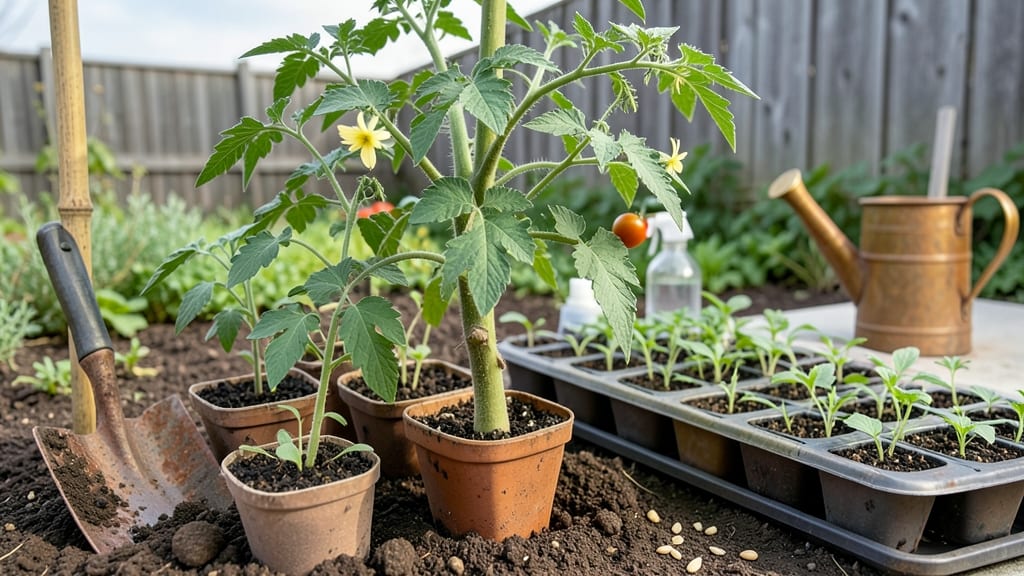
Planting beefsteak tomato seeds is the first step to growing sun-ripened giants that make every summer salad worth the wait. 🌱 I’ve learned the hard way that these heirlooms demand patience—skipping soil prep or planting too deep will leave you with leggy, weak plants that never produce those glorious 1-pound fruits.
But when you nail the basics, you’re rewarded with tomatoes so juicy and meaty they’ll make your neighbors ask for cuttings. The secret starts with warm soil (at least 60°F) and a lightweight seed-starting mix that drains like a dream.
You’ll need a shallow tray, a spray bottle for gentle watering, and a sunny windowsill or grow light—no fancy equipment required. Beefsteak seeds are finicky about moisture; keep them damp but never soggy, or you’ll risk damping-off, a fungal nightmare that turns seedlings to mush overnight.
Within 7-14 days, you’ll spot those first emerald shoots—thin, fragile, and full of promise. Once they’ve got two true leaves, transplant them into individual pots and give them a taste of the outdoors for hardening off.
That’s when you’ll see the magic: sturdy stems, deep green leaves, and the unmistakable scent of tomato heaven in your hands. Here’s the kicker: these plants need room to sprawl. Give them at least 24 inches of space between plants, and stake them early to avoid flopping.
With the right care, you’ll be harvesting beefsteaks by mid-summer—just don’t blame me if you start dreaming of fresh slices on toast every night.
📚 In This Guide
- What you need
- Instructions
- Tips and common mistakes
- Wrapping up and next steps
What you need
- ● Beefsteak tomato seeds: 5–10 seeds (or more if you’re planting multiple containers). Look for heirloom varieties like Brandywine or Cherokee Purple for that classic flavor!
- ● Seed-starting mix: 1–2 cups of sterile, seedling-specific potting mix (avoid garden soil—it’s too dense!).
- ● Containers: 4–6 small pots (3–4 inches deep) or a seed tray with cell inserts. Ensure they have drainage holes!
- ● Watering can or spray bottle: With a fine mist nozzle to keep seeds moist without drowning them.
- ● Grow lights or sunny windowsill: A grow light (LED or fluorescent) is ideal, or a south-facing window that gets 6+ hours of sunlight daily.
- ● Plastic wrap or humidity dome: To retain moisture while seeds germinate (a clear plastic bag works too!).
- ● Plant labels: Small sticks or markers to track seed varieties (trust us, you’ll forget which is which!).
- ● Fertilizer: A balanced, water-soluble fertilizer (5-5-5 or 10-10-10) for transplanting seedlings.
- ○ Heat mat (optional): Speeds up germination if your space is chilly (70–75°F is ideal).
- ● Pruning shears: For later trimming, but handy to have on hand early for any cleanup.
- ● Compost or worm castings: Boosts soil health when transplanting outdoors.
Step-by-Step instructions for planting beefsteak tomato seeds
Here's my foolproof method for growing beefsteak tomatoes from seed—no fancy equipment needed.
🌱 Step 1: Prepare Your Seed-Starting Containers
Fill clean, 2-3 inch deep containers with a sterile seed-starting mix (never garden soil—it's too dense). I like biodegradable pots because they eliminate transplant shock later. Moisten the mix until it's damp like a wrung-out sponge—no puddles, just even moisture.
Press the soil down gently so it's firm but not compacted. You want roots to have room to spread without fighting resistance. Tap the container once or twice on the table to settle everything evenly. This prevents air pockets that could delay germination.
🌱 Step 2: Sow Seeds at the Right Depth
Plant 1-2 seeds per cell at a depth of ¼ inch—about the width of a dime. Beefsteak seeds are large, so don't bury them deeper or they'll struggle to reach light. Cover lightly with a thin layer of additional mix, just enough to hide the seeds completely.
Mist the surface gently with a spray bottle until evenly damp. Avoid heavy watering—it'll wash seeds deeper than intended. I label each pot with the variety and date because identical green sprouts will look the same after a week.
💧 Step 3: Create Ideal Germination Conditions
Cover the trays with a clear humidity dome or plastic wrap to trap warmth and moisture. Beefsteak seeds germinate best at 75-85°F. A seedling heat mat keeps soil consistently warm and speeds up germination to 5-10 days—without one, expect 10-14 days.
Check daily but resist watering. The dome retains enough moisture that the soil stays damp without intervention. Once 50% of seeds sprout, remove the dome immediately. Trapped humidity around new seedlings invites damping-off disease that collapses stems overnight.
☀️ Step 4: Provide Strong, Consistent Light
The instant seedlings emerge, they need 14-16 hours of bright light daily. A south-facing window rarely provides enough intensity, so I use a full-spectrum LED grow light positioned 2-4 inches above the plants. Raise it as they grow to maintain that gap.
Without sufficient light, seedlings stretch desperately (called "leggy") and never recover. You'll spot leggy growth as thin, pale stems with leaves spaced far apart. Strong seedlings have thick stems, deep green color, and compact spacing between leaves.
✂️ Step 5: Thin and Harden Off Seedlings
When seedlings show 2-3 true leaves (not the first tiny seed leaves), thin to the strongest plant per cell. Snip the weaker one at the base with scissors—don't pull, or you'll disturb the roots of the remaining plant.
Two weeks before your last frost date, start hardening off by placing seedlings outside in a sheltered spot for 1-2 hours the first day. Gradually increase time daily to 10-14 days total. This prepares them for outdoor conditions without shock.
🪴 Step 6: Transplant to the Garden
Choose an overcast afternoon to transplant beefsteak seedlings into the garden. Dig holes twice as wide as the root ball but no deeper. Place each seedling in, firm soil around the base, and water deeply at the base.
Space plants 24-36 inches apart—beefsteaks need room to grow into sun-loving giants. Mulch with 2-3 inches of organic material to retain moisture and suppress weeds. Water at the base daily until established, then gradually reduce frequency as plants mature.
Tips & tricks for planting beefsteak tomato seeds
These simple yet game-changing tricks will help you grow beefsteak tomatoes that thrive from seed to harvest.
Soil Preparation Secret: In Step 1, don't skip the gentle pressing of the seed-starting mix. This creates the perfect balance—firm enough to support roots but loose enough to prevent compaction. I tap my containers twice on the table to eliminate air pockets that could delay germination. Think of it as giving your seeds a cozy, stable home right from the start.
Germination Temperature Control: The 75-85°F range in Step 3 is non-negotiable for beefsteak seeds. If your home runs cooler, place containers on a seedling heat mat or even a sunny windowsill with a clear plastic bag (not touching the soil) to create a mini greenhouse effect. I've seen germination times stretch to 21 days when soil temps dipped below 70°F—don't let that happen to you!
Lighting Strategy: For Step 4, position your grow light just 2-3 inches above seedlings initially, then raise it as they grow. The key is maintaining that 14-16 hour light requirement without burning the leaves. I use a timer to automate this—no need to remember to turn lights on/off daily. Watch for leggy seedlings (thin, pale stems) as your first warning sign of insufficient light.
Transplanting Timing: In Step 6, choose an overcast afternoon for transplanting—this reduces transplant shock dramatically. The 24-36 inch spacing might seem generous, but beefsteak tomatoes reward you with massive fruit when given room to spread. I always mark the spots with stakes before digging to ensure proper spacing, especially when working with multiple plants.
Pro Tips for Plant Beefsteak Tomato Seeds
- These simple yet game-changing tricks will help you grow beefsteak tomatoes that thrive from seed to harvest.
- Soil Preparation Secret: In Step 1, don't skip the gentle pressing of the seed-starting mix.
- Germination Temperature Control: The 75-85°F range in Step 3 is non-negotiable for beefsteak seeds.
Frequently asked questions
Got questions about growing beefsteak tomatoes from seed? You’re not alone! Here are answers to the most common queries to help you grow those juicy, sun-ripened giants with confidence.
When is the best time to plant beefsteak tomato seeds?
Start seeds indoors 6–8 weeks before your last frost date—typically in early spring. If you’re planting directly outside (less common for beefsteaks), wait until soil is at least 55°F (13°C) and all frost risk has passed. Beefsteaks need warmth to thrive, so don’t rush it!
How often should I water beefsteak tomato seeds after planting?
Keep soil consistently moist (not soggy) until germination (7–14 days). After sprouts appear, water when the top inch of soil feels dry—usually every 2–3 days. Use a spray bottle for seeds and shallow watering for seedlings to avoid disturbing them. Overwatering is the #1 killer of young seedlings!
Can I plant beefsteak tomato seeds directly in the garden instead of starting indoors?
Yes, but it’s riskier for beefsteaks. They’re slow to mature (80–90 days) and need warmth to germinate. If you live in a long, hot growing season (Zone 8+), try it! Plant seeds ½ inch deep in well-warmed soil, but expect lower success rates. Starting indoors gives you a head start for bigger, healthier plants.
Why aren’t my beefsteak tomato seeds germinating?
Check these common culprits:
- Cold soil: Seeds need warmth (70–85°F / 21–29°C). Use a heat mat or bottom-water your seed tray.
- Too deep: Plant seeds only ¼–½ inch deep—they need light to sprout.
- Old seeds: Beefsteak seeds lose viability after 2–3 years. Test a few in damp paper towels first!
- Poor soil contact: Press seeds gently into soil to ensure moisture contact.
How do I know if my beefsteak tomato plant is getting enough sunlight?
Beefsteaks are sun-hungry—they need 6–8+ hours of direct sunlight daily. Signs of insufficient light:
- Leggy (tall, weak) stems.
- Pale, yellow leaves.
- Slow growth or small, sparse leaves.
Wrapping up and next steps
Growing beefsteak tomatoes from seed is a rewarding journey that brings juicy, flavorful rewards straight from your garden! By following these six simple steps—from soaking seeds to transplanting seedlings—you’ll soon be harvesting heirloom-sized tomatoes that’ll make your meals unforgettable. 🍅✨
Now that you’re armed with knowledge, it’s time to roll up your sleeves and get planting! Start with just a few seeds, experiment with your setup, and watch your green thumb grow. Happy gardening—and enjoy those homegrown beefsteaks!
- Next step: Mark your calendar for transplanting (usually 6-8 weeks after germination) and prepare your garden bed with love (and compost!).