
Planting
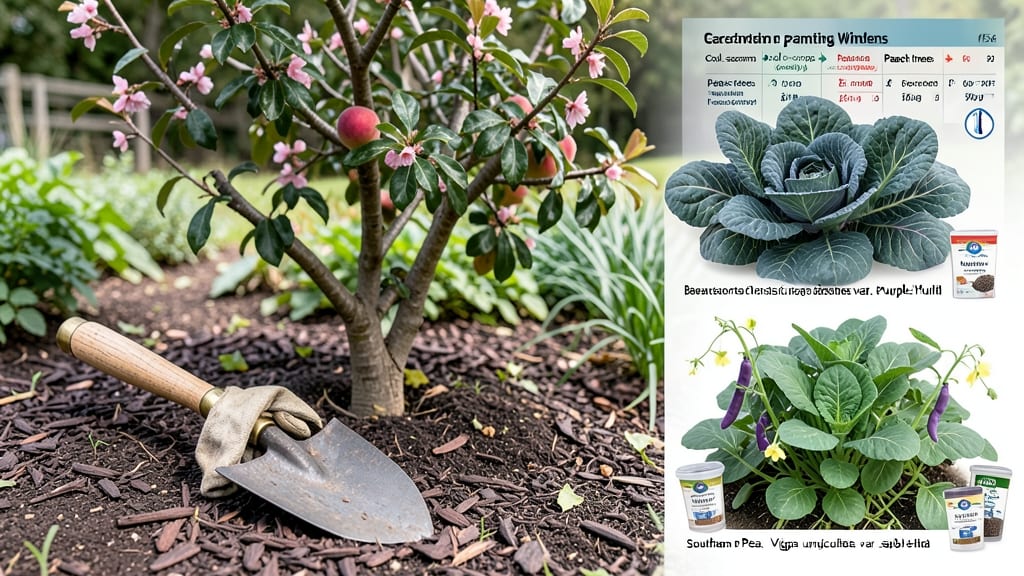
Planting your garden in Georgia at the right time means the difference between a bumper crop and a frustrating flop—and the wrong window can leave you staring at wilted seedlings or empty beds.
Georgia’s warm climate and long growing season make it a gardener’s paradise, but timing is everything. Whether you’re in North Georgia’s cooler hills or South Georgia’s balmy coastal plains, planting too early or too late can mean wasted effort or poor yields.
This zone-specific guide breaks down the best months to sow seeds, transplant seedlings, and extend your harvests—from cool-season greens in spring to heat-loving tomatoes in summer—so you can maximize your garden’s potential.
Skip the guesswork and learn exactly when to plant for your Georgia zone, plus seasonal tips to keep your garden thriving year-round.
Georgia planting zones: when to start cool and warm season crops
Georgia spans USDA hardiness zones 7a through 8b, giving gardeners a long growing season but requiring careful timing to avoid frost damage or heat stress.
The average last frost date ranges from mid-March in Zone 8b (Southern GA) to late April in Zone 7a (North GA), while the first frost arrives between mid-November and early December. Understanding these windows ensures your cool-season crops thrive in spring/fall and warm-season crops flourish in summer.
Cool-season crops like lettuce, broccoli, and peas prefer soil temperatures below 70°F and can tolerate light frosts. Plant these 4-6 weeks before your last frost date for spring harvests or late summer for fall to extend your garden's productivity.
Meanwhile, warm-season crops such as tomatoes, peppers, and okra need soil temps above 60°F and won’t germinate well until after your last frost—typically mid-April to early May depending on your zone.
Here’s a quick reference for Georgia’s planting zones and seasonal windows, including frost-free dates and heat tolerance thresholds to help you plan:
For cool-season crops, focus on spring planting in March-April and fall planting in August-September. These crops thrive in cooler temperatures and can even handle light frosts. Start seeds indoors 6-8 weeks before transplanting to give them a head start.
Examples include kale, spinach, and carrots, which do best when planted 4-6 weeks before your last frost date.
Warm-season crops, like tomatoes, peppers, and cucumbers, demand consistent warmth and won’t germinate until soil temps reach 60°F or higher. In Zone 7a, wait until mid-May to plant these outdoors, while Zone 8b gardeners can start as early as early March.
Use black plastic mulch to warm the soil faster if needed, especially in North Georgia’s cooler microclimates.
Heat-tolerant crops like okra, sweet potatoes, and southern peas can handle Georgia’s summer heat (often exceeding 90°F) but may struggle if planted too early.
These thrive when soil temps are consistently above 70°F, making June-July the ideal window for direct sowing. Succession planting every 2-3 weeks ensures a continuous harvest through fall.
Don’t forget fall planting—Georgia’s mild winters allow for late-season harvests. Plant cool-season crops like broccoli and Brussels sprouts in August-September for harvests before the first frost. Use row covers to extend the season by 2-4 weeks in Zone 7a, protecting tender greens from early cold snaps.
Pro tip: Monitor local microclimates—valleys and low-lying areas in North Georgia may frost earlier than hilltops, while South Georgia’s coastal regions enjoy warmer soil for longer. Adjust your planting dates by 1-2 weeks based on your specific location within the state.
By aligning your planting schedule with Georgia’s
Month-by-month Georgia gardening calendar: what to plant each season
Georgia’s long growing season lets you grow almost year-round, but timing matters—especially when comparing North Georgia’s cooler climate (Zone 7a) to South Georgia’s warmth (Zone 8b). Use this month-by-month guide to align your planting with local frost dates and seasonal shifts for peak harvests.
In North Georgia, last frosts typically hit mid-March to early April, while South Georgia sees its last frost by mid-February to March 1st.
Warm-season crops like tomatoes and peppers thrive when soil temps hit 60°F+, while cool-season crops (think kale and spinach) prefer 50-65°F soil. Plan ahead!
- January-February: Start cool-season crops indoors (e.g., broccoli, cabbage). South Georgia can direct-sow peas and spinach in January—North Georgia waits until February.
- March: Transplant onions, lettuce, and carrots outdoors. North Georgia adds potatoes and radishes post-last frost (mid-March).
- April: Sow warm-season crops (tomatoes, peppers, cucumbers) indoors for May transplants. Direct-sow beans and squash after soil reaches 65°F.
- May-June: Transplant tomatoes, peppers, and basil. Succession-plant lettuce and radishes every 2 weeks for continuous harvests.
- July-August: Plant fall crops (kale, collards, turnips) in South Georgia. North Georgia waits until late August to avoid early frosts.
- September-October: Sow cool-season cover crops (clover, rye) to protect soil. Harvest sweet potatoes and winter squash before first frost (November in North GA).
- November-December: Mulch perennials and strawberries. South Georgia can grow spinach and peas in mild winters—North Georgia’s frost limits options.
Succession planting is key in Georgia’s heat. For example, sow bush beans every 2 weeks from May to July to extend harvests. In South Georgia, you can even grow green onions year-round with proper mulching. Adjust for microclimates: Coastal areas (like Savannah) stay warmer than Atlanta’s piedmont.
Fall harvests reward patience—broccoli and cabbage planted in August-September often produce sweeter flavors after a light frost. Use row covers to protect tender crops like lettuce from unexpected North Georgia frosts in October. Save seeds from heirloom varieties to replant next spring!
Pro tip: Mark your frost dates on a calendar and adjust by 2 weeks if you’re in a warmer microclimate (e.g., near Savannah). Georgia’s diversity means one size doesn’t fit all—stay flexible and observe your local growing conditions.