
Planting
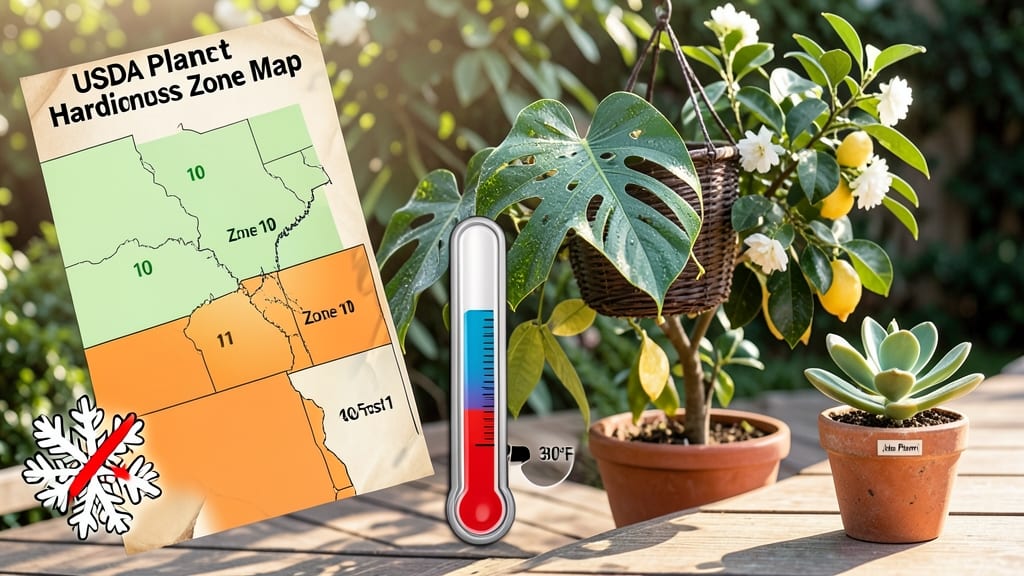
Plant hardiness zones 10 and 11 represent the warmest growing regions, where winter lows stay between 30°F to 40°F (-1°C to 4°C), supporting frost-sensitive tropical plants like mango trees, hibiscus, and avocados. Zone 11 includes Hawaii and southern Florida, while Zone 10 covers coastal California and the Gulf Coast.
These zones are where gardeners can grow plants that would freeze in cooler climates. The slight temperature difference between Zone 10 and 11—just 10°F—makes a big impact on what you can cultivate.
For example, Zone 11’s warmer winters allow for year-round growth of banana trees, while Zone 10 might need winter protection for similar species. 🌴 Coastal areas in these zones often enjoy milder microclimates due to ocean breezes, which can push hardiness even further.
Many gardeners in these regions focus on drought-tolerant varieties like bougainvillea or citrus, which thrive in the hot, dry conditions. If you're moving plants between these zones, acclimate them gradually to avoid shock from temperature shifts.
Native plants often adapt best, but non-natives can succeed with proper care and seasonal adjustments.
💡 In This Article
- Understanding Zone 10 vs Zone 11 Temperature Differences
- Best Plants for Zones 10 and 11: A Gardener’s Guide
Understanding Zone 10 vs Zone 11 temperature differences
The USDA defines Zone 10 with a 30°F (-1°C) minimum winter temperature, while Zone 11's threshold sits at 40°F (4°C). This 10°F difference might seem small, but it dramatically affects plant survival.
For example, a 32°F (0°C) frost would wipe out many Zone 11 plants but only damage hardier Zone 10 species. This is why Zone 11 gardeners can grow frost-sensitive tropicals like Monstera deliciosa year-round, while Zone 10 gardeners might need to overwinter them indoors during occasional cold snaps.
Frost-free periods also vary significantly. Zone 11 enjoys 360+ frost-free days annually, while Zone 10 averages 300-345 days. This extended growing season in Zone 11 allows for multiple harvests of warm-season crops like tomatoes and peppers.
Coastal areas in both zones benefit from ocean breezes that moderate temperatures—Miami's coastal Zone 10 can be 5-10°F warmer than inland areas, while Hawaii's volcanic soils in Zone 11 maintain consistent warmth year-round.
Elevation plays a critical role in microclimates. A 1,000-foot elevation gain can drop temperatures by 3.5-5°F, meaning mountain slopes in Zone 10 might experience 25°F (-4°C) lows—dangerous for tropical plants.
This is why gardeners in areas like Southern California's inland valleys (Zone 10) must choose cold-hardy varieties like Mexican bush sage (Salvia leucantha) over frost-sensitive hibiscus. In Zone 11, even slight elevation changes can create "frost pockets" where 32°F (0°C) occurs briefly.
Soil temperature matters just as much as air temperature. Zone 11's consistently warm soils allow tropical plants to grow year-round, while Zone 10 soils may require black plastic mulch or row covers to maintain 65°F+ during winter.
The difference becomes evident when planting citrus: Meyer lemons thrive in Zone 11 but need winter protection in Zone 10. Even the 10°F difference can mean the difference between a thriving garden and one struggling through seasonal setbacks.
What most gardeners overlook is how humidity interacts with these zones. Zone 11's tropical climates maintain 70-80% humidity year-round, while Zone 10 can swing between dry summers and damp winters.
This means Zone 11 plants like bird-of-paradise (Strelitzia reginae) may wilt in Zone 10's drier conditions without supplemental misting. The key is selecting plants that match not just temperature ranges but also humidity patterns—Zone 10's coastal areas can handle tropicals better than inland desert-like regions.
For those transitioning plants between zones, the acclimation period is critical. Move tropicals to Zone 10 gradually over 2-4 weeks, hardening them to cooler nights. Conversely, Zone 11 plants need shade acclimation before exposure to Zone 10's stronger sun.
The 10°F difference might seem minor, but it's the consistency of that warmth that determines which plants will thrive—and which will struggle—without proper preparation.