
Planting
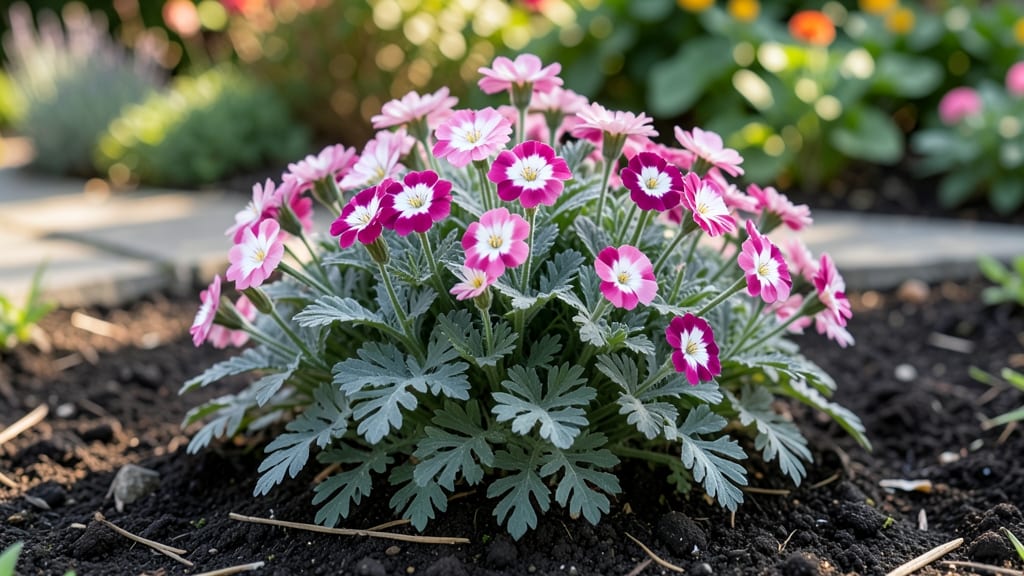
Sweet William plant leaves turn yellow when overwatered, starved of essential nutrients like nitrogen or magnesium, or infected by fungal diseases such as powdery mildew. Fix the issue by monitoring soil moisture, applying balanced fertilizer, and improving airflow around the plant.
Yellowing leaves in your Sweet William plants often signal deeper issues at work.
Overwatering, for instance, can lead to root rot, where the roots suffocate and lose their ability to absorb nutrients—this is why you'll see yellowing even when the soil looks damp. 🌱 Nutrient deficiencies, particularly nitrogen or magnesium, cause chlorosis (yellowing between leaf veins), while fungal infections like powdery mildew thrive in humid, stagnant conditions.
The good news? Most of these problems are reversible with proper care and attention.
Start by examining the soil—if it feels soggy, cut back on watering and ensure pots have drainage holes. For nutrient issues, a balanced organic fertilizer (like 10-10-10) applied every 4-6 weeks can work wonders.
And if you spot white powdery spots on leaves, prune affected foliage and space plants further apart to boost airflow. Prevention is key: avoid overhead watering and keep your Sweet Williams in bright, indirect light.
💡 In This Article
- Common Causes of Yellowing Sweet William Leaves
- How to Revive a Sweet William with Yellow Leaves
Common causes of yellowing Sweet William leaves
Yellowing in Sweet William leaves typically starts as a sign of nutrient deficiency, often nitrogen or magnesium. Nitrogen deficiency causes overall yellowing (chlorosis) because the plant can't produce enough chlorophyll—the green pigment essential for photosynthesis.
Magnesium deficiency, however, targets older leaves first, turning them yellow while veins stay green. This happens when the plant struggles to access these minerals, often due to poor soil quality or overwatering that leaches nutrients away.
Overwatering creates another major issue: root rot. Sweet Williams thrive in well-draining soil, and when roots sit in waterlogged conditions, they suffocate and can't absorb oxygen. This triggers a cascade—roots die, nutrient uptake stops, and leaves yellow as the plant starves.
You'll notice this if the soil stays damp for more than 2-3 days after watering or if the pot lacks drainage holes. The roots may even emit a foul odor as they decompose.
Fungal diseases like powdery mildew also cause yellowing, but with telltale white powdery spots on leaves. This fungus thrives in humid, stagnant air, blocking sunlight and clogging leaf pores. The plant responds by shedding infected leaves, which turn yellow and crispy.
Unlike nutrient issues, fungal problems spread quickly—especially in crowded pots or greenhouses with poor ventilation. High humidity (above 70%) and temperatures between 60-80°F create perfect conditions for outbreaks.
Environmental stress factors like temperature extremes or light exposure can also trigger yellowing. Sweet Williams prefer cool to moderate temperatures (50-75°F) and bright, indirect light. Too much direct sun scorches leaves, while insufficient light weakens the plant, making it vulnerable to pests and diseases.
Even sudden temperature drops below 40°F can shock the plant, causing leaves to yellow as a stress response.
To diagnose the exact cause, check the pattern of yellowing. Uniform yellowing across all leaves suggests nitrogen deficiency, while yellowing between veins points to magnesium. If only older leaves are affected, it's likely magnesium or potassium.
Fungal issues show up with visible spots or a powdery coating, while overwatering often comes with mushy stems or a foul soil smell.
Preventing these issues starts with proper soil preparation. Sweet Williams prefer slightly acidic to neutral soil (pH 6.0-7.0) with good drainage. Mixing in organic matter like compost improves nutrient retention, while perlite or sand prevents compaction.
Avoid overhead watering, which encourages fungal growth, and always use pots with drainage holes to prevent waterlogging.
Understanding these root causes helps you act fast. Whether it's adjusting your watering schedule, amending the soil, or improving airflow, addressing the problem early can save your Sweet William from permanent damage. 🌿