
Planting
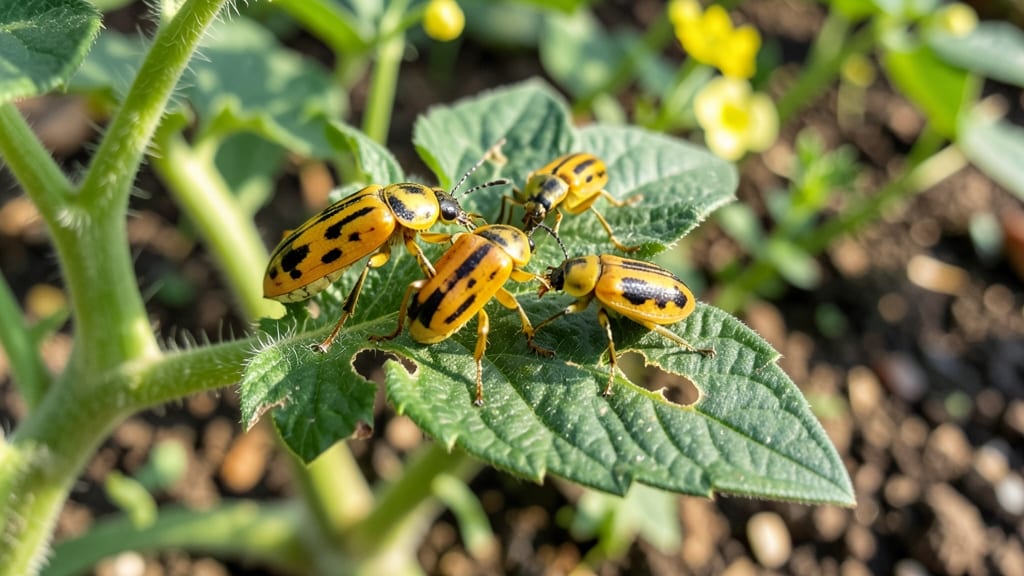
When insects eating tomato plant leaves turn your lush vines into skeletonized messes, this organic spray barrier stops the damage in its tracks—no harsh chemicals needed. 🌱 I’ve seen tomato plants go from ragged to thriving in just 24 hours after applying the right mix, and the best part?
It’s safe for bees, kids, and future harvests. The real culprits are usually hornworms, aphids, or flea beetles—each leaving telltale signs. Hornworms strip leaves like a caterpillar buffet, aphids cluster on undersides leaving sticky residue, and flea beetles pepper foliage with tiny holes. The key to stopping them?
A neem oil and insecticidal soap combo that smothers pests on contact while being gentle enough for edible plants. You’ll notice a difference immediately: new growth stays intact, leaves stop wilting, and those stubborn pests vanish without harming your tomatoes.
The spray works best in the early morning or evening when bugs are active, and it’s a game-changer for organic gardeners tired of losing yields to pests.
This method works for all tomato varieties, from heirlooms to cherry tomatoes, and pairs well with companion planting (like basil or marigolds) for extra protection. Let’s get those leaves back to full and healthy!
Root Causes Behind Leaf Damage
Tomato plants may seem like the perfect snack for insects, but their leafy feasts aren’t random—they’re driven by biology, environment, and plant health. Understanding these triggers helps you address the issue before it spirals out of control. Let’s break down the why behind the munching.
---
A healthy tomato plant is naturally resistant to many pests, but when it’s stressed, insects take notice. Here’s what makes your plants vulnerable:
- Nutrient Deficiencies 📉 - Lack of nitrogen leads to pale, weak leaves—an open invitation for pests like aphids and whiteflies. - Low potassium reduces the plant’s ability to produce bitter alkaloids (natural pest deterrents). - Actionable fix: Use a balanced organic fertilizer (e.g., fish emulsion or compost tea) to boost resilience.
- Over/Underwatering 💦🌱 - Overwatering creates soggy soil, attracting fungal issues (like early blight) that stress plants, making them easier prey. - Underwatering causes wilting, reducing sap flow—some pests (e.g., tomato hornworms) prefer slightly wilted leaves. - Actionable fix: Water deeply 1–2 times per week (check soil moisture 1" below the surface).
- Disease Pressure 🦠 - Fungal or bacterial infections (e.g., septoria leaf spot) damage leaves, making them less tough. Insects like flea beetles target already-compromised foliage. - Actionable fix: Remove infected leaves immediately and apply a copper fungicide spray preventatively.
---
Some insects have synchronized their diets with tomato growth stages. Here’s when they strike:
- Early Season: Flea Beetles & Aphids 🐞 - These tiny pests emerge in spring when tomato seedlings are tender and new growth is soft. - Flea beetles chew shotgun-like holes in leaves, while aphids cluster on undersides, sucking sap. - Actionable fix: Use row covers early in the season to block adults from laying eggs.
- Mid-Season: Hornworms & Colorado Potato Beetles 🐛🍅 - Tomato hornworms (giant green caterpillars) appear when plants are flowering—they can devour a whole leaf overnight. - Colorado potato beetles target stressed plants, especially after heavy rain or drought. - Actionable fix: Handpick hornworms (they’re easy to spot!) or introduce parasitic wasps (natural predators).
- Late Season: Spider Mites & Whiteflies 🕷️🪰 - Hot, dry conditions trigger spider mites, which spin webs on undersides of leaves. - Whiteflies thrive in greenhouses or humid climates, clustering on new growth. - Actionable fix: Increase humidity with mulch or shade cloth to deter mites.
---
Your garden’s microclimate can turn a tomato plant into an all-you-can-eat buffet. Key factors:
| Factor | How It Attracts Pests | Solution | |---------------------|---------------------------------------------------|---------------------------------------| | Dry Soil | Reduces plant moisture, making leaves crispy (hornworm favorite). | Mulch with straw to retain moisture. | | Overcrowded Plants | Poor airflow = fungal growth + pest hideouts. | Space plants 18–24" apart. | | Nearby Weeds | Weeds harbor pest eggs (e.g., potato beetles). | Remove weeds within 50 feet. | | Synthetic Chemicals | Kill beneficial insects (ladybugs, lacewings) that eat pests. | Use neem oil or soapy water sprays instead. |
--- Plants release volatile organic compounds (VOCs) when stressed—signaling pests to feast.
For example: - Damaged leaves emit green leaf volatiles (GLVs), which attract whiteflies and aphids. - Overripe tomatoes release ethanol, luring fruit flies and hornworms. - Actionable fix: Prune damaged leaves promptly and pick tomatoes early to avoid overripening.
--- A balanced ecosystem keeps pests in check. If your garden lacks: - Ladybugs (eat aphids) - Lacewings (devour mites and whiteflies) - Parasitic wasps (kill hornworm eggs) …then pests multiply unchecked. - Actionable fix: Plant dill, fennel, or marigolds to attract beneficial insects. Avoid broad-spectrum pesticides!
Quick Fixes for Chewed Tomato Leaves
When insects turn your tomato plants into a leafy buffet, acting fast is key! Below are targeted solutions for the most common culprits—from handpicking pests to natural sprays—plus prevention tips to keep your plants thriving. 🌱✨
---
Signs: Large, green caterpillars with white stripes or black "horns" devouring leaves overnight. Fix: - 🔥 Handpick & Drop: Wear gloves and pluck them off (they’re squishy but satisfying!). Drop them in soapy water—no mercy! - 🍳 Bacillus thuringiensis (Bt) Spray: A natural bacteria that kills caterpillars but is safe for plants and pets. Reapply after rain. - 🌙 Night Patrol: Shine a flashlight at dusk—hornworms are nocturnal and easy to spot.
💡 Prevention Tip: Plant basil or dill nearby—hornworms hate these herbs!
---
Signs: Tiny green/black bugs clustered on undersides of leaves, leaving a sticky residue (honeydew). Fix: - 👨🍳 Soap Spray: Mix 1 tbsp mild castile soap + 1 quart water in a spray bottle. Blast aphids directly—they’ll drop off! - 🌡️ Ladybugs & Lacewings: Release beneficial insects (buy online or attract with neem oil). - 🔪 Prune & Toss: Snip heavily infested leaves and compost them far from your garden (aphids spread fast).
✨ Pro Tip: Spray neem oil weekly as a deterrent—aphids despise the smell!
---
Signs: Fine webbing on leaves, yellow stippling (like pepper damage), and a dusty appearance. Fix: - 💦 Water Blast: Spray leaves forcefully with water to knock off mites (do this in the morning so leaves dry fast). - 🥘 Neem Oil Mix: Combine 1 tsp neem oil + 1 tsp dish soap + 1 quart water. Spray both sides of leaves every 5–7 days. - 🌿 Companion Plants: Grow marigolds or chives nearby—their scent repels mites.
🎯 Prevention Tip: Dusty leaves = mite heaven! Keep foliage clean with regular misting.
---
Signs: Tiny white moths fluttering when you disturb plants; sticky residue on leaves. Fix: - 🕯️ Yellow Sticky Traps: Hang yellow cards coated with petroleum jelly near plants to trap adults. - 🍳 Kaolin Clay Spray: Mix 1 tbsp kaolin clay + 1 quart water—it coats leaves, making them unappetizing. - 🔪 Remove Eggs: Scrape off white, waxy eggs (look like tiny rice grains) with a soft brush.
💡 Prevention Tip: Avoid over-fertilizing with nitrogen—whiteflies love lush, soft leaves!
---
Signs: Large, irregular holes in leaves; slimy trails on plants/stems. Fix: - 🥘 Beer Traps: Bury a shallow dish filled with beer near plants—slugs crawl in and drown. Gross but effective! - 🌿 Copper Barrier: Wrap copper tape around pots—it gives them a mild electric shock (they hate it!). - 🔪 Handpick at Night: Use a flashlight to spot and crush them (wear gloves—eww!).
🌡️ Prevention Tip: Mulch with diatomaceous earth—it’s a natural slug repellent!
---
For multiple pests, try this fast-acting spray: 1. 🍳 Mix: 1 tbsp neem oil + 1 tsp horticultural oil + 1 tsp dish soap + 1 quart water. 2. 🥘 Shake well and spray all leaf surfaces (especially undersides). 3. ⏰ Reapply every 5–7 days or after rain.
✨ Why It Works: Neem disrupts pests’ life cycles, while soap smothers them. Safe for tomatoes!
--- - 🌱 Healthy Plants = Strong Defense: Ensure tomatoes get 6+ hours of sun, 1–2 inches of water/week, and balanced fertilizer. - 🕷️ Encourage Predators: Plant marigolds, nasturtiums, or alyssum to attract ladybugs, lacewings, and parasitic wasps. - 🧹 Clean Up Debris: Remove fallen leaves and weeds—pests hide there! - 🌿 Rotate Crops: Don’t plant tomatoes in the same spot yearly to break pest cycles.
--- Remember: The key is consistency! Check plants daily for early signs, and act before pests take over. With these tricks, your tomato leaves will stay lush, green, and pest-free—ready for a bountiful harvest! 🍅💪
Frequently asked questions
What are the most destructive tomato leaf-eating insects?
Hornworms are the top culprits—they can strip a leaf overnight! Other common offenders include aphids (tiny green/black bugs), flea beetles (tiny holes), and spider mites (fine webbing). Each leaves distinct damage patterns, so identify the pest first to treat it effectively.
Can I use neem oil on tomato plants with flowers or fruit?
Yes, neem oil is safe for all tomato growth stages, including flowers and fruit! Apply in the early morning or evening to avoid harming bees. The key is to use the correct dilution (1 tsp neem oil + 1 tsp dish soap per quart of water) and reapply every 5-7 days.
How do I tell if tomato leaf damage is from insects or disease?
Insect damage usually has irregular edges (chewed holes, skeletonized leaves) while disease damage appears as brown/yellow spots with defined borders. Check leaf undersides for pests, sticky residue (honeydew from aphids), or webs (spider mites). Diseased leaves often have fungal growth or discoloration.
Will removing damaged leaves help my tomato plant recover?
Pruning chewed leaves stops pest spread and helps the plant focus energy on new growth. Remove only 20-30% of foliage at a time to avoid shocking the plant. Always sterilize pruners with rubbing alcohol between cuts to prevent disease transfer.
How often should I check my tomato plants for pests?
Inspect plants every 2-3 days during peak growing season (spring to early fall). Focus on leaf undersides, stems, and new growth where pests hide. Early detection means faster treatment and less damage—especially important for young plants still developing their defenses.