
Planting
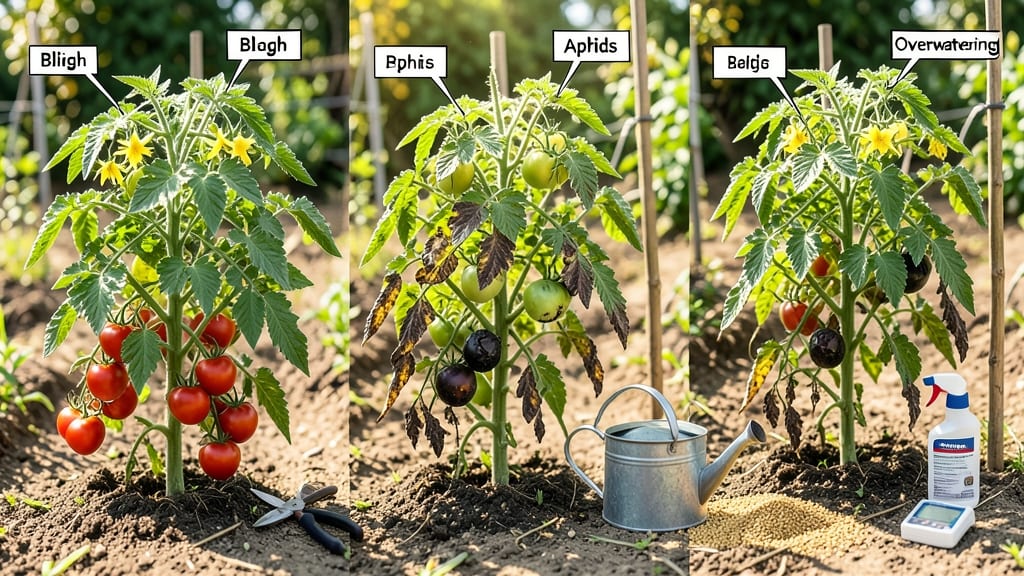
Your tomato plants are struggling with tomato plant problems and solutions—and I’ve heard every sad story. 🌱 From wilting leaves to blight-spotted fruit, these fast fixes will turn your struggling vines into productive powerhouses before the season ends.
The key is spotting symptoms early, and I’ll show you exactly what to look for (and how to stop it). Most problems start with simple fixes: too much water, not enough sun, or crowded roots. Yellow leaves? Check your watering schedule. Brown spots?
That’s likely early blight, and copper spray works wonders. The good news? Tomatoes are resilient—with the right care, they bounce back faster than you’d expect. By the end of this, you’ll diagnose issues in minutes and save your harvest. No more guessing what’s wrong—just clear steps to healthy plants.
Let’s get those tomatoes thriving again. Here’s the thing: 90% of tomato problems come from three root causes—water, light, or pests. Overwatering drowns roots, while too little sun weakens plants.
Pests like aphids and hornworms strike fast, but a quick spray of neem oil or handpicking those worms works better than chemicals. What you’ll learn is how to prevent these issues before they start. Proper spacing, mulching, and regular inspections cut down on problems dramatically.
And when issues do pop up, you’ll know exactly what to do—without stressing over complex solutions. Think your season is already lost? Not yet. Even late-stage blight or severe pest damage can be managed. The goal isn’t perfection—it’s saving what you can and learning for next year.
With these fixes, you’ll harvest more tomatoes than you thought possible. Works for backyard gardens, containers, or even balcony setups. Whether you’re dealing with blight, pests, or just sad-looking leaves, this guide keeps your tomatoes on track. Let’s turn those problems into wins—fast.
Root Causes Of Tomato Troubles
Understanding why tomato plants develop problems is half the battle—once you know the why, you can tackle the how with confidence. Below, we break down the most common culprits behind tomato plant struggles, from soil to sky, and explain the science behind their mischief.
---
Tomatoes are warm-weather lovers, but they’re not built for extremes. When temperatures swing outside their ideal range (60–85°F / 15–29°C), growth stalls, flowers drop, or fruit develops deformities.
- Too Hot (Above 90°F / 32°C): - Why it happens: High heat accelerates transpiration (water loss), causing wilting even when soil is moist.
It also disrupts pollen production, leading to blossom drop (flowers falling off before fruiting). - Science behind it: Heat stress triggers ethylene gas production, a plant hormone that signals flowers to abort.
Plus, hot days + cool nights can cause sunscald—white, leathery patches on fruit where cells die from excessive sunlight. - Actionable insight: Use shade cloth (30–50%) during peak afternoon heat or grow heat-tolerant varieties like ‘Solar Fire’ or ‘Heatmaster.’
- Too Cold (Below 50°F / 10°C): - Why it happens: Cold slows metabolism, halting nutrient uptake and enzyme activity.
Below 55°F (13°C), pollen grains fail to germinate, causing poor fruit set. - Science behind it: Cold snaps damage cell membranes, leading to chilling injury—yellowing leaves, stunted growth, or even plant death in severe cases. - Actionable insight: Use row covers or black plastic mulch to warm soil.
Avoid planting too early; wait until nighttime temps stay above 50°F (10°C).
---
Tomatoes are 95% water by weight, and their thirst isn’t just about quantity—it’s about consistency. Fluctuations in moisture stress the plant, inviting pests, diseases, and poor fruit development.
- Underwatering: - Why it happens: Inconsistent watering causes osmotic stress, where roots struggle to absorb water, leading to blossom end rot (BER) and cracked fruit. - Science behind it: Calcium uptake drops when soil dries out, starving cells of this critical mineral.
Without calcium, cell walls weaken, causing the black, sunken lesions of BER. - Actionable insight: Water deeply 1–2 times per week (1–1.5 inches total) rather than daily shallow drinks. Use drip irrigation to keep soil evenly moist.
- Overwatering: - Why it happens: Soggy soil cuts off oxygen to roots, leading to root rot (caused by fungi like Phytophthora). - Science behind it: Anaerobic conditions (low oxygen) trigger ethylene production, which signals the plant to drop flowers and fruit.
Overwatering also dilutes nutrients, causing leaf yellowing (chlorosis). - Actionable insight: Improve drainage with raised beds or container growing. Let the top 1–2 inches of soil dry out between waterings.
---
Tomatoes are heavy feeders, but too much—or too little—of certain nutrients throws them into chaos. Yellow leaves? Nitrogen deficiency. Purple stems? Phosphorus hunger. Here’s the breakdown:
| Symptom | Likely Culprit | Why It Happens | Fix It Fast | |---------------------------|--------------------------|-----------------------------------------------------------------------------------|------------------------------------------| | Yellow lower leaves | Nitrogen deficiency | Nitrogen fuels leaf growth; lack of it causes chlorosis (green pigment breakdown). | Side-dress with compost or blood meal. | | Purple stems/leaves | Phosphorus deficiency | Phosphorus helps energy transfer; deficiency stunts roots and flowers. | Add bone meal or rock phosphate. | | Brown leaf edges | Potassium deficiency | Potassium regulates water and disease resistance; deficiency causes necrosis. | Use kelp meal or wood ash. | | Stunted growth | Calcium deficiency | Calcium strengthens cell walls; lack causes blossom end rot and weak stems. | Sprinkle crushed eggshells or use calcium nitrate. | | Leaf curl (new growth)| Magnesium deficiency | Magnesium is central to chlorophyll; deficiency causes interveinal chlorosis. | Apply Epsom salt (magnesium sulfate). |
- Overfertilizing: - Why it happens: Excess salts (from synthetic fertilizers) burn roots, halting nutrient uptake. Too much nitrogen also delays fruiting by encouraging leafy growth over flowers. - Science behind it: High salt concentrations disrupt osmotic balance, making it hard for roots to absorb water and nutrients.
This leads to fertilizer burn (brown leaf tips). - Actionable insight: Use organic, slow-release fertilizers (like compost or worm castings). Test soil pH (6.0–6.8)—acidic soil locks out nutrients.
---
Tomatoes attract a who’s who of garden villains—bugs, fungi, and bacteria that exploit weaknesses in your plants. Here’s how they strike:
- Pests (e.g., Aphids, Hornworms, Spider Mites): - Why it happens: Pests sap nutrients directly (aphids) or devour leaves/fruit (hornworms).
Spider mites, thriving in dry heat, pierce cells and suck out chlorophyll, causing stippled, yellow leaves. - Science behind it: Damage triggers systemic stress, reducing photosynthesis and fruit quality.
Some pests (like tomato hornworms) can defoliate a plant in days. - Actionable insight: Handpick hornworms (🐛👨🍳), spray neem oil for aphids, or introduce ladybugs for natural control.
- Fungal Diseases (e.g., Early Blight, Late Blight, Powdery Mildew): - Why it happens: Fungi like Alternaria (early blight) or Phytophthora (late blight) spore in moist conditions.
Overhead watering or crowded plants create humid microclimates, perfect for spread. - Science behind it: Fungi penetrate plant tissue, blocking nutrient transport.
Late blight, for example, causes oily, brown lesions that spread rapidly in cool, wet weather (60–75°F / 15–24°C). - Actionable insight: Space plants 18–24 inches apart for airflow. Remove infected leaves immediately and use copper fungicide preventatively.
- Bacterial Issues (e.g., Bacterial Spot, Wilt): - Why it happens: Bacteria like Xanthomonas (bacterial spot) enter through wounds (e.g., from pruning or hail) or splash up from soil during rain. - Science behind it: Bacteria clog xylem vessels, disrupting water flow (leading to wilting) or causing water-soaked lesions that turn necrotic. - Actionable insight: Sterilize pruners with rubbing alcohol.
Avoid overhead watering; water at the base in the morning for quick drying.
--- Not all tomato troubles come from living things—sometimes, it’s the soil’s fault. Compacted, nutrient-poor, or improperly amended soil sets plants up for failure.
- Compacted Soil: - Why it happens: Heavy foot traffic, clay soil, or poor drainage crushes soil structure, reducing aeration and root growth. - Science behind it: Roots need oxygen to respire; compaction suffocates them, leading to stunted growth and poor nutrient uptake. - Actionable insight: Amend with compost or perlite to loosen soil.
Plant in raised beds if native soil is dense.
- **Improper p
Quick Fixes for Tomato Plant Troubles
Tomato plants are resilient, but even the hardiest varieties can fall victim to pests, diseases, or environmental stressors. The good news? Most issues have simple, effective solutions—if you act fast. Below, we’ve mapped out practical fixes for common tomato plant problems, along with prevention tips to keep your garden thriving.
Think of this as your go-to troubleshooting guide, whether you’re dealing with wilting leaves, spotted fruit, or stubborn pests.
---
Fix It: - Check the soil moisture first. If it’s soggy, your plant may be drowning—tomatoes hate "wet feet." Let the top inch dry out before watering again. - Fertilize smartly: Yellowing leaves often signal nitrogen deficiency. Use a balanced fertilizer (10-10-10) or a compost tea to replenish nutrients. For older plants, switch to a low-nitrogen, high-phosphorus fertilizer (like 5-10-10) to boost fruiting. - Prune damaged foliage to redirect energy to healthy growth.
Prevent It: ✅ Water deeply but infrequently—aim for 1–2 inches per week, especially during dry spells. ✅ Mulch heavily (2–3 inches of straw or shredded leaves) to retain moisture and prevent nutrient runoff. ✅ Test your soil annually—amend with compost or organic matter if nutrients are lacking.
---
Fix It: - Handpick hornworms (they’re easy to spot—big green caterpillars with white stripes!). Drop them in soapy water. Pro tip: Do this in the early morning when they’re sluggish. - Blast aphids off with a strong spray of water from a hose. For stubborn infestations, mix 1 tsp neem oil + 1 tsp dish soap in 1 quart of water and spray directly on pests (avoid flowers to protect pollinators). - Set up row covers or yellow sticky traps to catch whiteflies before they multiply.
Prevent It: 🌿 Encourage beneficial insects like ladybugs and lacewings by planting basil, marigolds, or dill nearby. 🌿 Rotate crops yearly to disrupt pest life cycles. 🌿 Inspect plants weekly—early detection = easier fixes!
---
Fix It: - Boost calcium levels immediately. Sprinkle crushed eggshells or gypsum around the base of the plant, or water with a calcium-rich solution (1 tbsp calcium chloride per gallon of water). - Improve drainage—if your soil is heavy clay, mix in compost or perlite to aerate it. - Keep soil consistently moist (but not soggy). Blossom end rot thrives on fluctuating moisture levels.
Prevent It: 💡 Add compost or aged manure to soil before planting for long-term calcium supply. 💡 Mulch to retain even moisture—this prevents the "feast or famine" watering that triggers rot. 💡 Avoid over-fertilizing with nitrogen—it can stress plants and worsen the issue.
---
Fix It: - Prune infected leaves immediately (sterilize your pruners with rubbing alcohol between cuts). Remove and dispose of them in the trash—don’t compost! - Apply a fungicide spray: - Baking soda mix: 1 tbsp baking soda + 1 tbsp oil + 1 tsp soap per gallon of water. Spray undersides of leaves where spores hide. - Copper fungicide (like Copper Soap) for severe cases—follow label instructions. - Improve air circulation by spacing plants 18–24 inches apart and staking them properly.
Prevent It: 🌱 Water at the base (never overhead) to keep foliage dry. 🌱 Rotate crops—don’t plant tomatoes in the same spot yearly. 🌱 Start with disease-resistant varieties (e.g., ‘Mountain Merit’ for blight resistance).
--- Fix It: - Check sunlight exposure—tomatoes need 6–8 hours of direct sun daily. Move potted plants to a sunnier spot or prune nearby shade-causing plants. - Thin crowded seedlings to give each plant 18–24 inches of space.
Overcrowding leads to competition for nutrients. - Pollinate by hand if weather is rainy or windless. Gently shake plants or use a small brush to transfer pollen.
Prevent It: 🔥 Plant at the right time—wait until soil temps are at least 60°F before transplanting. 🔥 Use self-pollinating varieties (like ‘Celebrity’ or ‘Better Boy’) if you’re in a low-wind area. 🔥 Avoid cold drafts—group plants together to create a microclimate.
--- Fix It: - Adjust your watering schedule—deep, infrequent watering (1–2 times per week) prevents sudden swelling. - Harvest overripe tomatoes early to avoid further splitting.
Prevent It: ⏰ Water consistently—stick to a routine (e.g., every morning at 8 AM). ⏰ Use drip irrigation or soaker hoses to deliver water directly to roots.
--- Many tomato problems start small—spot them early, act fast, and your plants will bounce back. Keep a garden journal to track issues and solutions year after year. And remember: Even "failed" plants teach you what not to do next season!
Need a deeper dive on a specific problem? Drop a comment below—we’ve got you covered! 🍅✨
Frequently asked questions about tomato plant problems
Why are my tomato leaves turning yellow?
Yellow leaves usually signal overwatering or nutrient deficiency. Check soil moisture—if it's soggy, reduce watering and improve drainage. For nitrogen deficiency, add compost or blood meal. Yellowing often starts at the bottom, so prune those leaves to redirect energy to new growth.
What causes black spots on my tomato fruit?
Those are likely signs of early blight or blossom end rot. For blight, remove infected leaves immediately and apply copper fungicide. Blossom end rot comes from calcium deficiency—sprinkle crushed eggshells around the base and keep soil consistently moist. Both issues thrive in humid conditions, so improve airflow between plants.
How do I get rid of tomato hornworms naturally?
Handpick them in the early morning when they're sluggish—drop them in soapy water. For prevention, plant basil or marigolds nearby to attract beneficial predators like ladybugs. Avoid chemical pesticides, as they harm pollinators. Check plants weekly during peak season (late summer) for these fast-growing caterpillars.
Can I still save my tomato plant if it has late blight?
Act fast! Remove all infected leaves and fruit immediately (don't compost them). Spray with copper fungicide every 5–7 days and improve airflow by spacing plants wider. For severe cases, consider removing the entire plant to prevent spread. Choose disease-resistant varieties like 'Mountain Merit' for next season.
Why are my tomato flowers falling off before fruiting?
This blossom drop happens from temperature stress (too hot or cold), inconsistent watering, or poor pollination. Keep soil evenly moist and protect plants from extreme heat with shade cloth. For indoor plants, gently shake them or use a small brush to transfer pollen. Plant heat-tolerant varieties like 'Solar Fire' for better success in hot climates.