
Planting
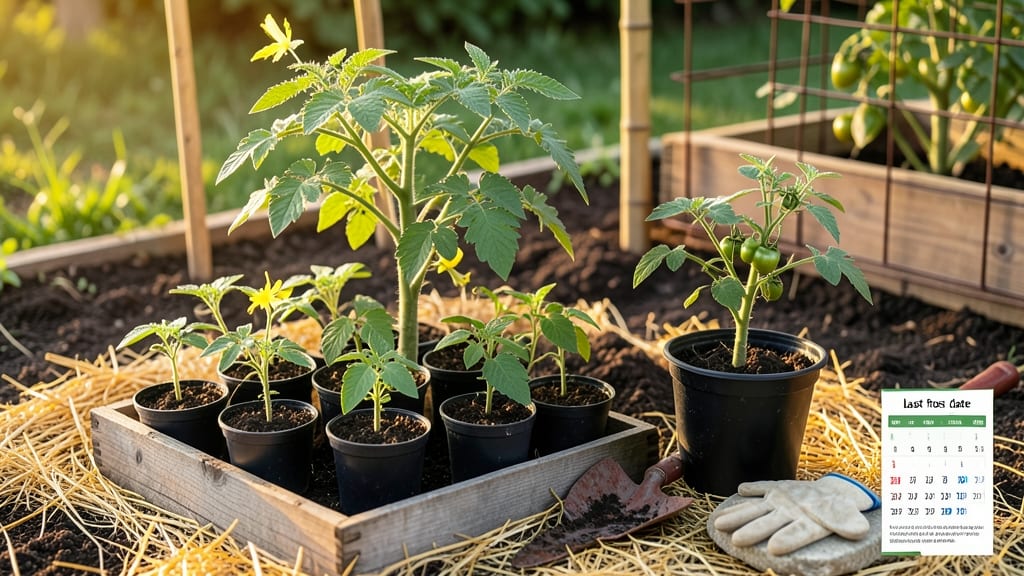
Planting tomatoes in Michigan at the right time means the difference between a bountiful harvest and a sad, frost-nipped disappointment.
Michigan gardeners know timing is everything when planting tomatoes—get it wrong, and you risk frost damage or stunted growth. But with the right frost-free date strategy, you can maximize your harvest from Detroit to Traverse City.
This isn’t just about waiting for the calendar to flip to May. Soil temperature, nighttime lows, and even your specific USDA zone (5b-6b) play a role. Too early, and your seedlings will shiver under late frosts; too late, and your season shrinks before you’ve even picked a ripe 🍅.
Below, I’ll break down the exact frost-free dates by region, how to stretch your growing season, and the one mistake that kills more Michigan tomato gardens than anything else.
Michigan’s frost-free dates by region: when to plant tomatoes safely
Michigan’s frost-free dates vary dramatically across its 5 USDA zones, making timing critical for tomato success. Plant too early, and a late frost will devastate your seedlings.
But with the right regional strategy, you can enjoy homegrown tomatoes from Detroit to Marquette. The key is understanding your local last frost averages and adjusting for microclimates.
Most Michigan gardeners rely on historical frost data to guide planting, but even a few miles can mean weeks of difference.
For example, Southern Lower Peninsula areas like Ann Arbor and Detroit typically see their last frost around April 15, while Northern Lower Peninsula regions like Traverse City often wait until May 1. The Upper Peninsula faces even later dates, sometimes pushing planting back to mid-May.
Here’s a region-by-region breakdown of Michigan’s frost-free dates to help you plan your tomato planting schedule with confidence:
| Region | USDA Zone | Avg. Last Frost | Avg. First Frost | Safe Planting Window | Notes |
|---|---|---|---|---|---|
| Southern Lower Peninsula | 6a/6b | April 10-15 | October 15-20 | April 20 - May 10 | Warmest zone; early varieties can start outdoors sooner. |
| Northern Lower Peninsula | 5b/6a | April 25 - May 5 | October 5-10 | May 10 - May 25 | Cooler microclimates; use row covers for early starts. |
| Upper Peninsula (South) | 5b | May 5-15 | September 25 - October 5 | May 20 - June 1 | Shortest season; focus on fast-maturing varieties. |
| Upper Peninsula (North) | 4b/5a | May 15-25 | September 15-25 | June 1 - June 15 | Coldest zone; extend season with cold frames. |
For Southern Lower Peninsula gardeners in USDA zones 6a/6b, the window opens earlier, allowing you to plant transplants as soon as April 20 if nighttime temperatures stay above 50°F.
In Detroit or Ypsilanti, this means you can often squeeze in two harvests—one from early varieties and another from late-season plantings.
In Northern Lower Peninsula areas like Traverse City or Petoskey, where USDA zone 5b dominates, patience is key. Wait until May 10 to plant outdoors, or use row covers to protect seedlings planted a week earlier.
The Great Lakes can create microclimates where frost lingers longer near water, so monitor local forecasts closely.
Gardeners in the Upper Peninsula face the shortest growing seasons, with USDA zones 4b-5a pushing planting back to early June in some areas. Here, fast-maturing varieties like 'Early Girl' or 'Stupice' are essential.
Consider starting seeds indoors in March to give plants a head start before transplanting after the last frost.
Pro tip: Use a soil thermometer to confirm soil temperatures are above 50°F before planting. Cold soil slows germination and weakens seedlings. In cooler regions, black plastic mulch can raise soil temperatures by 5-10°F, giving you an earlier start.
Avoid the temptation to plant early based on warm spells. A single late frost in May can wipe out unprotected seedlings. Instead, use historical averages as your guide and supplement with local weather alerts.
For real-time updates, check resources like the Michigan State University Extension or National Weather Service frost advisories.
By aligning your planting schedule with your region’s frost-free dates, you’ll set your tomatoes up for a bountiful harvest—whether you’re in Detroit’s urban gardens or a rural farm in the UP. Start with the right timing, and you’ll be enjoying sun-ripened tomatoes all summer long.
How to extend your tomato growing season in Michigan’s short summers
Michigan’s short growing season can feel like a race against time for tomato lovers. With the right strategies, you can push your harvest well into October or even November in warmer microclimates.
The key is combining early starts, season extenders, and succession planting to maximize your tomato yield before frost.
I’ve learned that indeterminate varieties like ‘Brandywine’ or ‘Sungold’ thrive with extended seasons because they keep producing fruit until killed by frost. But even determinate varieties like ‘Roma’ or ‘Celebrity’ benefit from these techniques.
Let’s break down the most effective methods to keep your tomato plants productive long after most gardeners have packed it in.
🌱 5 Proven Ways to Extend Your Tomato Season
- Start seeds indoors 8-10 weeks before your last frost date (typically March 1-15 for Michigan). Use grow lights to provide 14-16 hours of light daily.
- Use row covers or floating row covers to protect plants from late spring frosts and extend the season by 2-3 weeks in both directions.
- Install cold frames or low tunnels after your first harvest to create a 5-10°F warmer microclimate, allowing plants to keep producing.
- Plant succession crops every 2-3 weeks from late May through early July for a staggered harvest.
- Choose early-maturing varieties (55-65 days) like ‘Stupice’ or ‘Early Girl’ alongside longer-season types for continuous production.
One of my favorite tricks is using black plastic mulch combined with row covers. The mulch warms the soil faster in spring, while the covers protect young plants from unexpected late frosts.
I’ve seen this combo extend my season by nearly 6 weeks compared to uncovered plants. Just remember to remove covers during the day once temperatures rise above 75°F to prevent overheating.
For fall extension, I rely on cold frames made from old windows or plastic domes. These create a mini greenhouse effect that can keep soil temperatures 10°F warmer than ambient air.
Place them over your healthiest plants after your first frost warning, and you’ll often get another 4-6 weeks of harvests. Just be sure to ventilate during warm days to prevent fungal issues.
Don’t overlook succession planting as your secret weapon. Instead of planting all your tomatoes at once, stagger them every 2 weeks from late May through June. This ensures you always have ripe tomatoes coming in while earlier plants are still producing.
I plant half my seeds indoors and the other half directly in the garden for this staggered approach.
When selecting varieties for extended seasons, prioritize disease-resistant types like ‘Mountain Merit’ or ‘Defiant PhR’. These handle Michigan’s humid summers better and produce fruit even when stressed. Pair them with trellising to improve air circulation and reduce disease pressure—another key to keeping plants productive longer.