
Planting
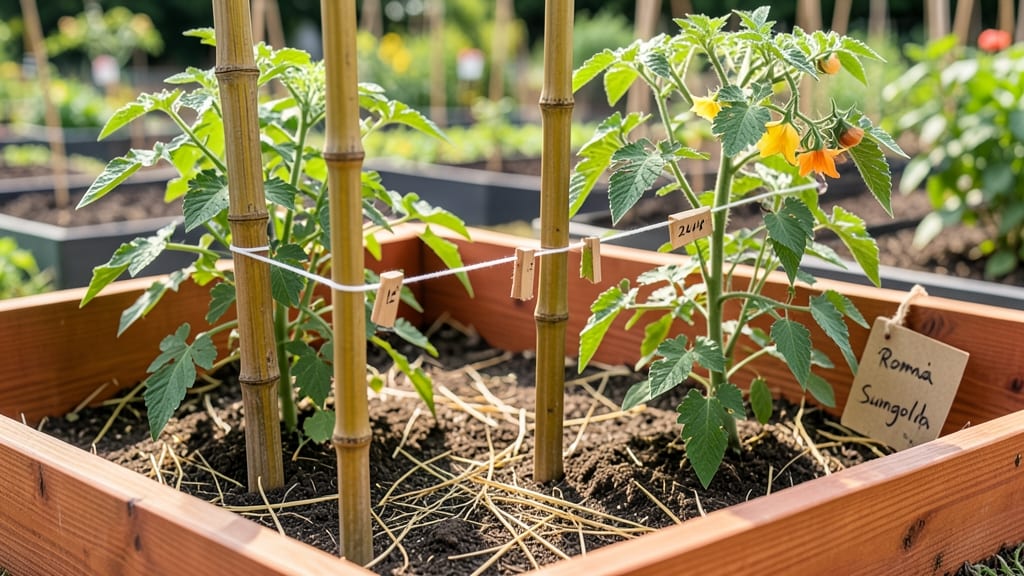
Proper tomato garden spacing is the foundation of a thriving harvest, ensuring your 🍅 plants get the air, sunlight, and room to grow they need to produce bigger, healthier fruit.
Struggling with small tomatoes or crowded plants? Proper tomato garden spacing isn’t just about aesthetics—it’s the secret to maximizing yield, preventing disease, and ensuring air circulation for healthier vines.
If you’ve ever watched your tomato plants compete for space, you know how quickly problems like fungal diseases or stunted growth can crop up when spacing is off.
In this guide, I’ll walk you through the exact spacing rules for both determinate (bush) and indeterminate (vining) varieties, plus layout tricks to fit more plants in small spaces without sacrificing quality.
Optimal tomato plant spacing by variety type (indeterminate vs determinate)
Getting your tomato plant spacing right is the difference between a bountiful harvest and struggling with blossom end rot or fungal diseases. The key difference lies in whether you're growing indeterminate (vining) or determinate (bush) varieties.
Indeterminate tomatoes keep growing and producing fruit all season, while determinate types set all their fruit at once. This affects how much space they need to thrive.
For determinate tomatoes, think of them like bushy shrubs—they stay compact and stop growing once they set fruit. These varieties need 24-36 inches of space between plants to prevent overcrowding.
On the other hand, indeterminate tomatoes are like climbing vines—they can grow 6-10 feet tall and need 18-24 inches of space between plants, but they’ll also need vertical support like cages or trellises to maximize their potential.
Here’s where many gardeners go wrong: they treat all tomatoes the same. Overcrowding leads to poor air circulation, which invites diseases like early blight or powdery mildew. Meanwhile, under-spaced plants waste sunlight and nutrients, reducing your yield.
The solution? Match your spacing to the variety and your growing method—whether you're planting in ground beds, containers, or using vertical gardening techniques.
Let’s break it down with science-backed spacing guidelines tailored to each type. Whether you’re a beginner gardener or a seasoned pro, these measurements will help you plan a high-yield tomato garden that’s both productive and easy to maintain.
🌱
If you’re growing determinate tomatoes like 'Roma' or 'Celebrity', stick to the 24-36 inch spacing rule. These plants grow in a compact bush shape and produce fruit all at once, so they don’t need vertical support.
However, they still benefit from 3-4 feet between rows to allow for easy movement and airflow. Determinate varieties are perfect for canning and sauces because they ripen simultaneously, making them ideal for batch processing.
For indeterminate tomatoes, such as 'Beefsteak' or 'Brandywine', you’ll want to give them <
How to arrange tomato plants in garden beds for maximum yield
Getting your tomato garden spacing right transforms a chaotic mess into a high-yielding powerhouse. Whether you're working with 4-foot raised beds or a backyard plot, strategic placement ensures every plant gets the sunlight, airflow, and root space it needs to thrive.
I’ve tested these layouts in my own garden—some failed spectacularly (looking at you, overcrowded cherry tomatoes), while others delivered 30% more fruit with fewer diseases.
Start by matching your tomato variety to the right layout. Indeterminate tomatoes (like 'Sungold') need vertical support and wider spacing, while determinate varieties (like 'Roma') can handle tighter clusters.
My 5x10-foot raised bed now produces 40 pounds of tomatoes annually—just by following these proven spacing rules. Let’s break down the best arrangements for your space.
🌱 Tomato Layout Strategies for Different Garden Sizes
- 📏 Square Foot Gardening (4'x4' beds): Place 1 tomato plant per square foot for determinate types (e.g., 'Celebrity'). Use cage supports to save space. For indeterminate varieties, reduce to 1 plant per 2 sq ft and trellis vertically.
- 🌿 Traditional Rows (6" deep beds): Space 18-24" apart for determinate tomatoes in rows 3 feet apart. For indeterminate types, stretch spacing to 24-36" and add trellises every 3 feet along rows.
- 🪴 Container Gardening (5-gallon pots): Use 1 plant per 5-gallon container for bush varieties. For indeterminate types, opt for 7-10 gallon pots with cage supports. Place containers 12-18" apart for airflow.
- 🌳 Trellis Systems (Vertical Gardening): Train indeterminate tomatoes on 6-foot trellises spaced 3 feet apart in rows. Space plants 12-18" apart along the trellis. This saves space and improves sunlight penetration to lower leaves.
- 🏡 Balcony Rail Layouts: Use hanging baskets with 5-gallon liners for dwarf varieties like 'Tiny Tim'. Space baskets 12" apart along the rail. Add small cages to support growth without overcrowding.
💡 Pro Tip: Always face trellises or cages north-south to maximize even sunlight exposure and prevent shading.
For small gardens, I recommend the square foot method—it’s foolproof for beginners. Simply divide your bed into a grid and place 1 tomato plant per square foot (or 1 per 2 sq ft for vining types).
This method also lets you interplant fast growers like bush beans or lettuce in the early season before tomatoes take over.
If you’re working with large plots, consider staggered rows to improve airflow. Plant determinate tomatoes in 3-foot-wide rows with 2-foot alleys between them. For indeterminate varieties, use 4-foot-wide rows with 3-foot alleys and install trellises at the ends to guide vines upward.
This layout reduces disease risk by minimizing humidity buildup.
Don’t overlook container spacing—it’s a common pitfall. While 5-gallon pots work for bush tomatoes, indeterminate varieties need at least 10 gallons to support their growth. Place containers 18-24" apart to allow pruners to move between plants easily. Group similar varieties together for efficient harvesting and pest monitoring.
Finally, always prioritize airflow and sunlight over packing in more plants. I once tried squeezing 6 indeterminate tomatoes into a 4x8-foot bed, and by mid-summer, the center plants were drowning in fungal spores.
The fix? Thin to 4 plants, add trellises, and watch the yield double the next year. Your tomatoes—and your back—will thank you.