
Planting
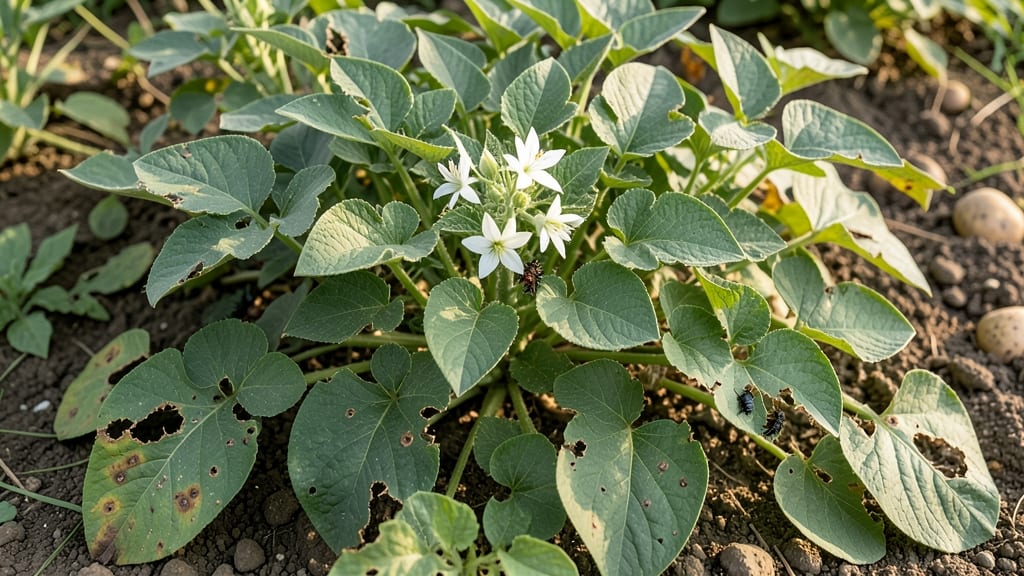
Holes in your potato plant leaves don’t mean your harvest is doomed—just that tiny pests or hidden diseases are crashing the party. 🌱 I’ve saved more than a dozen potato patches from this exact problem, and the fixes are simple, fast, and organic.
The key? Spotting the culprit early and acting before the damage spreads beyond repair. Most of the time, those chewed leaves are work by flea beetles or slugs, but fungal spots or viral infections can mimic the damage. The good news?
Row covers, neem oil, and a little companion planting can turn things around in under 2 weeks. I’ll walk you through the telltale signs and the exact steps to stop the destruction—no fancy tools or chemicals required.
By the end, your plants will bounce back with stronger stems and healthier foliage, setting you up for a bumper harvest. The worst part is over once you know what’s eating your leaves and how to outsmart it. Let’s get those potatoes back on track!
First, grab a magnifying glass (or just squint really hard) to check the hole size and pattern. Tiny, random holes? Flea beetles. Large, slime trails? Slugs. Yellowing leaves with holes? Possible fungal infection.
The fix depends on the culprit, but prevention starts now—think floating row covers, copper tape, or even a few marigolds planted nearby to deter pests. For organic treatments, neem oil spray works wonders on both beetles and fungal issues.
Mix it up, spray in the evening, and repeat every 5-7 days until new growth appears. If slugs are the problem, beer traps or diatomaceous earth around the base of plants will send them packing without harming your potatoes.
Don’t forget to check the soil moisture and sunlight—stressed plants attract more pests. Keep the area consistently moist but not soggy, and ensure your potato patch gets 6+ hours of sun daily.
A little TLC now means fewer holes later, and your plants will reward you with plump, disease-free tubers come harvest time.
Even if your potatoes are already in the ground, it’s not too late to turn things around. The fixes I’ve shared work at any stage, from seedlings to mature plants. Just act fast, stay consistent, and watch your potato patch transform from ragged to thriving in no time.
Root Causes of Leaf Damage
Understanding why your potato plant leaves develop holes is the first step toward fixing the problem. These issues often stem from biological, environmental, or mechanical factors. Below, we break down the most common culprits—each with a clear explanation of how they harm your plants and what to watch for.
---
Potato plants are a buffet for many hungry insects, and their feeding habits can leave behind telltale holes. Here’s how to spot the difference between common culprits:
- Colorado Potato Beetles 🥔🐞 These striped beetles and their larvae are notorious for devouring potato foliage. Adults chew irregular holes, while larvae leave behind a skeletonized (window-pane) effect on leaves. They thrive in warm, dry conditions and often target plants in late spring to summer.
- Flea Beetles 🦟 Tiny (1/16-inch) black beetles with jumping legs, flea beetles create tiny, shot-like holes across leaves. Heavy infestations can stunt growth and stress plants. They’re most active in hot, sunny weather and often appear early in the growing season.
- Cutworms 🌙🐛 These caterpillars hide during the day and emerge at night to chew through leaves, stems, and even young plants at soil level. Look for ragged, irregular holes or entire sections of leaves missing overnight.
- Slugs & Snails 🐌💦 While they leave behind silvery slime trails, slugs and snails can create large, jagged holes—especially at night or after rain. They prefer tender young leaves and often target plants near moisture-rich areas.
💡 Pro Tip: Inspect leaves undersides and soil surfaces at dawn or dusk for pests. Early detection means quicker action—like handpicking beetles or setting out beer traps for slugs!
---
Not all holes are caused by chewing insects—some are symptoms of hidden pathogens that weaken plant tissue over time.
- Potato Virus Y (PVY) 🌱🔴 Spread by aphids, this virus causes mottled leaves, stunted growth, and distinctive holes or tears along leaf veins. Infected plants may also produce malformed tubers. PVY thrives in cool, moist conditions and can persist in soil or infected plant debris.
- Early Blight (Alternaria solani) 🍄🌡️ This fungal disease starts with small, dark spots with concentric rings (like a bullseye). As it progresses, the center of these spots can drop out, leaving holes. Early blight thrives in warm, humid weather and often appears on lower leaves first.
- Late Blight (Phytophthora infestans) 🌧️⚠️ A more aggressive fungal pathogen, late blight creates large, greasy-looking brown spots that turn papery and holey. It spreads rapidly in wet conditions and can destroy entire crops if untreated. (This is the same fungus responsible for the Irish Potato Famine!)
✨ Key Difference: Viral/fungal holes often start as spots before turning into gaps, while pest damage is usually random and immediate.
---
Sometimes, the damage isn’t from living organisms but from the environment itself. These factors can weaken leaves, making them more susceptible to other problems.
- Hail or Wind Damage 🌪️❄️ Sudden storms can tear leaves, leaving behind irregular, jagged holes. Unlike pest damage, these holes often have no feeding patterns and may affect multiple plants at once.
- Overwatering or Poor Drainage 💦🚫 Soggy soil leads to root rot, which starves leaves of nutrients. Weakened leaves may develop brown, mushy patches that eventually drop out, creating holes. Check for yellowing stems or a foul odor from the soil.
- Nutrient Deficiencies 🍽️🔄 A lack of nitrogen, magnesium, or potassium can cause leaves to yellow, curl, or develop necrotic (dead) spots that fall out. For example, magnesium deficiency (chlorosis) often starts between leaf veins, leaving a "lace-like" pattern.
- Herbicide Drift or Chemical Burn 🧪🚫 Accidental exposure to herbicides or even over-fertilization can cause bleached or crispy holes in leaves. This damage is usually uniform across affected plants and lacks the irregularity of pest feeding.
🎯 Actionable Fix: If environmental stress is the culprit, adjust watering, improve soil drainage, or test soil pH/nutrients. For chemical burns, remove affected plants and avoid treating nearby crops for a few weeks.
--- Human error (or curious wildlife) can also create holes in potato leaves.
- Garden Tools or Harvesting ✂️🌱 Accidental snags from pruners, hoes, or even vigorous brushing can tear leaves. These holes are usually sharp-edged and lack the raggedness of pest damage.
- Wildlife (Deer, Rabbits, Birds) 🦌🐦 Large herbivores may nibble on leaves, creating uneven, bite-sized holes. Look for signs like tracks or droppings near your plants.
- Improper Mulching 🍂🚫 Thick mulch layers can suffocate plants, leading to stress and irregular leaf damage. Ensure mulch is 2–3 inches deep and doesn’t touch stems.
🔥 Quick Check: Examine the edges of holes—clean cuts suggest tools, while ragged tears point to pests or animals.
Fixing Leaf Damage Fast
Now that you know the culprits behind those pesky holes in your potato plant leaves, let’s tackle the fixes—tailored to each problem. These solutions are straightforward, garden-friendly, and designed to get your plants back on track without breaking the bank or your back.
Prevention tips are sprinkled in to keep future damage at bay!
---
1. Handpick the Culprits (👨🍳🔪) If you spot colorado potato beetles, flea beetles, or slugs munching away, don’t wait for them to multiply. - Morning patrol: Check leaves early (before pests hide). Drop beetles or slugs into soapy water. - Gloves optional: Use a pair if you’re squeamish—these bugs can be sticky (literally, with their yellow larvae).
2. Spray Natural Repellents (🌿💦) Mix these in a spray bottle and apply at dusk (when pests are most active): - Neem oil solution: 1 tbsp neem oil + 1 tsp mild soap + 1 quart water. Shake well and spray undersides of leaves (where eggs hide). - Garlic spray: Blend 2 garlic cloves + 1 quart water, strain, and add a drop of dish soap. Reapply every 3–4 days. - Diatomaceous earth (DE): Sprinkle food-grade DE around the base of plants. It’s harmless to you but deadly to soft-bodied pests like slugs. Reapply after rain.
3. Trap Crops & Barriers (🛡️🌱) - Sacrificial plants: Plant nasturtiums nearby—flea beetles love them more than potatoes. Replace them weekly to keep pests distracted. - Row covers: Use floating row covers (lightweight fabric) over young plants to block beetles. Remove when flowers appear (to allow pollination).
💡 Pro Tip: If slugs are the issue, beer traps work—bury a shallow dish filled with beer near plants. Slugs crawl in and drown. Gross but effective!
---
1. Prune & Dispose Infected Leaves (✂️🗑️) - Remove damaged foliage immediately with clean scissors. Bag and trash infected leaves off-site (don’t compost them!). - Sterilize tools: Wipe blades with rubbing alcohol between cuts to prevent cross-contamination.
2. Fungicide Sprays (💊🌧️) For late blight, early blight, or bacterial wilt: - Copper fungicide: Follow label rates (e.g., Bordeaux mixture or copper sulfate). Apply every 7–10 days or at first sign of rain. - Baking soda spray: Mix 1 tsp baking soda + 1 tbsp oil + 1 quart water + a drop of soap. Spray undersides of leaves. Works best for powdery mildew.
3. Improve Airflow & Watering (🌬️💧) - Space plants 12–18 inches apart to reduce humidity (fungi thrive in damp conditions). - Water at the base (not overhead) and early in the day so leaves dry quickly. - Avoid wetting foliage—use a soaker hose or drip irrigation.
🌡️ Pro Tip: If bacterial wilt strikes, pull the whole plant—it’s often untreatable. Prevent future outbreaks by rotating crops (don’t plant potatoes in the same spot next year).
---
1. Adjust Watering Habits (💧🌱) - Overwatering? Let soil dry slightly between waterings. Stick your finger 1–2 inches deep—if it’s damp, wait. - Underwatering? Potatoes need 1–2 inches of water per week. Mulch with straw to retain moisture and protect leaves.
2. Soil & Nutrient Boost (🌿💪) - Test your soil: Potatoes love pH 5.0–6.5. Amend with compost or peat moss if needed. - Fertilize lightly: Too much nitrogen = soft, hole-prone leaves. Use a balanced 10-10-10 or potassium-rich fertilizer (like banana peel tea) to strengthen leaves.
3. Shield from Harsh Conditions (🛡️☀️) - Heatwaves? Provide shade cloth (30–50% coverage) during peak sun. - Windburn? Plant near a windbreak (like corn or sunflowers) or use burlap screens.
✨ Pro Tip: Epsom salt spray (1 tbsp per gallon of water) can help with magnesium deficiency, which weakens leaves. Spray every 2 weeks.
---
To keep your potato leaves hole-free: ✅ Rotate crops—don’t plant potatoes, tomatoes, or peppers in the same spot for 3+ years. ✅ Start with disease-resistant varieties (e.g., ‘Yukon Gold’ for blight resistance). ✅ Monitor early & often—catch pests/illnesses before they spread. ✅ Clean up debris in fall to remove overwintering pests/disease spores. ✅ Use companion planting—marigolds, basil, or onions repel many potato pests.
--- Final Note: Most fixes take 7–14 days to show results. Stay consistent, and your potato plants will bounce back stronger than ever! 🌱💪
Frequently asked questions
Why do potato leaves get holes even when I water them regularly?
Holes from pests like flea beetles or slugs aren't always linked to watering. These critters target stressed plants, but even healthy ones get attacked. Check for tiny black beetles jumping away when you touch leaves (flea beetles) or silvery slime trails (slugs). Overwatering can actually worsen problems by creating damp conditions that attract slugs or fungal diseases.
Can I still harvest potatoes if the leaves have holes?
Holes in leaves usually don't affect tuber quality unless the damage is severe (like from late blight). Focus on the plant's overall health - if stems are strong and new growth appears after treatment, your potatoes will develop normally. Just avoid eating leaves with fungal spots (like early blight) as they can taste bitter.
What's the fastest way to stop slug damage overnight?
For immediate slug control, try these 30-minute fixes: Place a shallow dish of beer near plants (slugs drown in it), or create a barrier of crushed eggshells or diatomaceous earth around the base. For heavy infestations, handpick slugs at night using a flashlight and drop them in soapy water. Repeat daily until you see fewer holes appearing.
Will neem oil harm my potato plants if I use it too often?
Neem oil is safe when used correctly, but don't overdo it. Apply no more than every 5-7 days during active pest seasons. Always mix with water and a drop of mild soap (1 tsp per quart) to help it stick. Avoid spraying when flowers appear (to protect pollinators) and always apply in the evening when bees are less active.
How can I tell if my potato plant holes are from disease vs. pests?
Look for these key differences: Pest holes are usually irregular and clean-edged, while disease holes often start as spots with concentric rings (like bullseyes) that turn papery. Check leaf undersides for webbing (mites), yellow larvae (beetles), or fungal growth (white fuzzy patches). Disease damage often appears on older leaves first.