
Planting
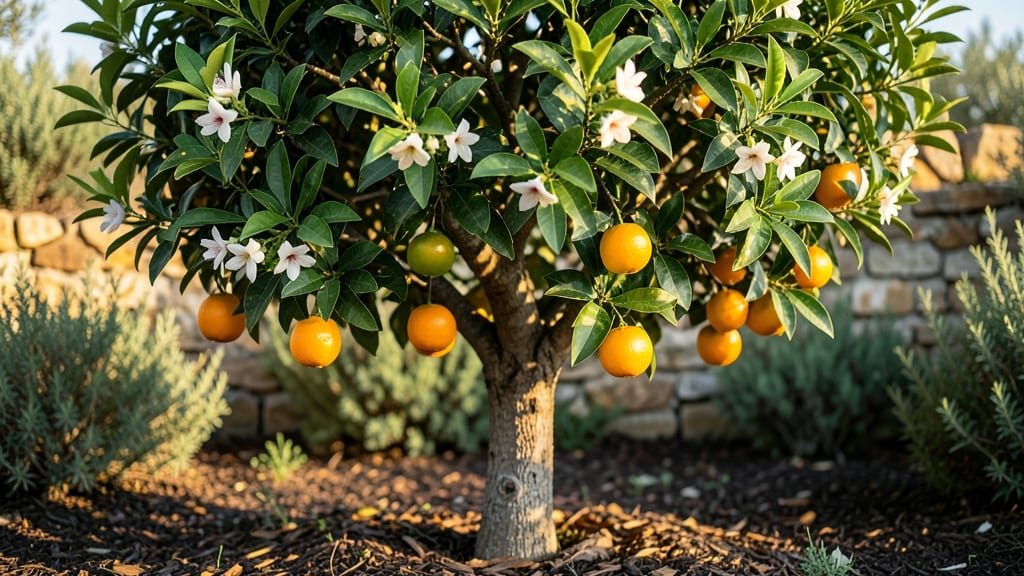
Planting an orange flower transforms any garden into a pollinator paradise. 🌼 My first attempt with marigolds taught me how these bright blooms not only brighten spaces but also keep bees and butterflies buzzing all season long.
The secret lies in choosing the right varieties—marigolds, calendulas, or even orange roses—that thrive in your climate and sunlight conditions.
You'll need well-draining soil, at least 6-8 hours of sunlight daily, and consistent watering—though most orange flowers tolerate drought once established. Marigolds, for example, are the easiest to grow, while roses demand extra care but reward you with fragrant blooms.
The key is matching your plant to your garden's conditions, not the other way around.
By mid-summer, you'll have a vibrant burst of orange that attracts pollinators and repels pests naturally. The fragrance alone makes it worth the effort—imagine strolling through a garden where every petal seems to whisper, "Come closer."
With proper care, these flowers will keep blooming until frost, giving you color and life well into autumn.
For best results, plant in early spring or late summer, and don't forget to deadhead spent blooms to encourage more flowers. Whether you're filling containers or borders, orange flowers bring joy, utility, and a little extra magic to any garden space.
📚 In This Guide
- What you need
- Instructions
- Tips and common mistakes
- Wrapping up and next steps
What you need
- ● Orange flower seeds: Choose from varieties like French Marigold (e.g., 'Bonanza Gold') or Calendula officinalis (pot marigold). Buy 50–100 seeds for a small patch or 200+ seeds for a full garden bed.
- ● Well-draining potting mix: 10–20 lbs (or a 5-gallon bag) of a blend labeled for flowers or vegetables (avoid heavy garden soil).
- ● Containers or garden bed: For containers: 5–7 inch pots (1–2 per plant) with drainage holes.
- ● For in-ground planting: A sunny spot with at least 6–8 hours of sunlight and loose, fertile soil.
- ● Watering can or hose: With a gentle spray nozzle to avoid disturbing seedlings.
- ○ Plant labels (optional but helpful): Small stakes or markers to track varieties.
- ● Gloves: To protect your hands from soil and thorns (some varieties have them!).
- ● Trowel or small shovel: For transplanting seedlings or loosening soil.
- ○ Fertilizer (optional): Balanced liquid fertilizer (e.g., 10-10-10) or a slow-release granular fertilizer (like 5 lbs for a 10x10 ft bed).
- ● Compost or worm castings (1–2 cups per plant) for organic nutrition.
- ○ Mulch (optional): Straw or shredded leaves to retain moisture and suppress weeds.
- ○ Pest control (optional): Neem oil or insecticidal soap (for aphids or spider mites).
- ● Row covers (if planting early and facing frost risks).
- ● Climate check: Plant after the last frost when soil temps are at least 55°F (13°C). Most orange flowers thrive in USDA Zones 2–11.
- ● Sunlight commitment: Ensure your chosen spot gets full sun (6+ hours/day)—these blooms love to soak up rays!
- ● Patience: Germination takes 7–14 days, and full blooms may appear in 6–8 weeks.
Step-by-step guide to planting and growing orange flowers
Here's how to grow vibrant orange blooms that'll turn your garden into a pollinator paradise.
🌱 Step 1: Choose the Right Orange Flower Variety
Orange flowers aren't a single plant—think marigolds, daylilies, or butterfly weed for bold color. I recommend marigolds for their pest-repelling properties or orange daylilies for long-lasting blooms. Check your hardiness zone—most thrive in zones 5-10. You'll want full sun (6+ hours daily) and well-draining soil for best results.
If you're planting from seed, start indoors 6-8 weeks before last frost or direct-sow after all danger of frost has passed. For transplants, buy healthy nursery starts with firm stems and no flower buds yet—that means more energy for root growth. I always look for plants with deep green leaves and no signs of yellowing or spots.
☀️ Step 2: Prepare the Planting Site
Orange flowers need well-draining soil—amend heavy clay with 2-3 inches of compost or sand to prevent root rot. Test your soil's pH: most orange bloomers prefer slightly acidic to neutral (6.0-7.0). If your soil is too alkaline, mix in peat moss or sulfur before planting.
Dig holes twice as wide as the root ball but only as deep as the container the plant came in. Space plants 12-18 inches apart for good airflow (crowding invites fungal diseases). Here's the thing—water the hole before planting. This ensures the roots make immediate contact with moisture instead of drying out.
💧 Step 3: Plant and Water Properly
Gently remove the plant from its container and loosen any circling roots with your fingers. Place it in the hole so the top of the root ball sits level with the soil surface—burying too deep can suffocate stems. Fill the hole with soil and press lightly around the base to eliminate air pockets.
Water deeply right after planting—about 1 gallon per plant—to settle the soil and encourage roots to spread. You'll know you've done it right when water drains through the bottom of the hole. Avoid wetting the foliage to prevent disease. Mulch with 2 inches of shredded bark to retain moisture and suppress weeds (but keep mulch 2 inches away from stems to prevent rot).
✂️ Step 4: Maintain for Continuous Blooms
Water 1-1.5 inches per week, but check soil first—orange flowers hate soggy roots. You'll see wilting leaves if underwatered or yellowing leaves if overwatered. Feed every 4-6 weeks with a balanced 10-10-10 fertilizer during the growing season. Deadhead spent blooms weekly to encourage more flowers—just pinch off faded blossoms with your fingers or clean pruners.
Most orange flowers need full sun, but some varieties (like certain daylilies) tolerate partial shade. If your plants look leggy or pale, they need more light. Watch for pests like aphids or spider mites—spray with neem oil at the first sign of trouble. I also rotate plants a quarter turn weekly so they grow upright instead of stretching toward the sun.
🪴 Step 5: Overwintering and Year-Round Care
In colder zones, mulch heavily (4-6 inches) before the first frost to protect roots. Most orange flowers are perennial, but marigolds are annuals—plan to replant them each spring. In winter, reduce watering to once every 2-3 weeks unless you're in a mild climate. Prune back dead foliage in early spring to make room for new growth.
Here's the trick for next year: divide clumping perennials every 3-4 years to prevent overcrowding. Dig up plants in early spring, separate the roots, and replant the healthiest sections. You'll end up with more plants and bigger blooms—it's like getting free orange flowers! With proper care, your garden will burst with color and fragrance all season long.
Tips & tricks for planting vibrant orange blooms
Here's what I've learned after helping dozens of gardeners transform their yards with these cheerful flowers.
Variety Selection: Don't just grab any orange flower—marigolds are your best bet for pest control, while orange daylilies offer the longest blooming season. I always check the plant tags for hardiness zones first—nothing worse than buying a plant that won't survive your winters. For container gardens, choose compact varieties like 'Tangerine Beauty' marigolds that won't outgrow their pots.
Soil Preparation: The 2-3 inches of compost or sand you add to heavy clay isn't just about drainage—it's about creating a sponge-like environment that holds moisture while allowing roots to breathe. I test my soil pH with a simple kit before planting; if it's above 7.0, I mix in sulfur to bring it down to that perfect 6.0-7.0 range. This small step prevents half the problems I see with struggling orange flowers.
Planting Technique: When you're planting those nursery starts, pay attention to the root ball depth—burying too deep suffocates stems while planting too shallow exposes roots to drying out. I always water the hole before inserting the plant; this ensures immediate root contact with moisture. After planting, give each new transplant that full gallon of water to help roots establish quickly.
Ongoing Care: That weekly deadheading isn't just about looks—it signals the plant to produce more blooms. I use clean pruners for this task to prevent spreading disease between plants. For fertilizer, I stick to the 10-10-10 balanced formula every 4-6 weeks, but I always water thoroughly before and after applying to prevent root burn. The key is consistency: too much fertilizer causes leafy growth at the expense of flowers.
Pro Tips for Plant Orange Flower
- Here's what I've learned after helping dozens of gardeners transform their yards with these cheerful flowers.
- Variety Selection: Don't just grab any orange flower—marigolds are your best bet for pest control, while orange daylilies offer the longest blooming season.
- Soil Preparation: The 2-3 inches of compost or sand you add to heavy clay isn't just about drainage—it's about creating a sponge-like environment that holds moisture while allowing roots to breathe.
Frequently asked questions
Got questions about growing and caring for your orange-flowering plants? You’re not alone!
Here are some of the most common queries—and their straightforward answers—to help you nurture vibrant blooms that buzz with pollinators.
What’s the best way to plant an orange flower for maximum blooms?
Start by choosing a sunny spot (6+ hours of light daily) with well-draining soil. Dig a hole twice as wide as the root ball, mix in compost, and water thoroughly after planting. Pro tip: Space plants 18–24 inches apart to allow airflow and reduce disease risk. Mulch lightly to retain moisture and deter weeds.
How often should I water my orange-flowering plant?
Water deeply 1–2 times per week, depending on your climate. Let the top 1–2 inches of soil dry out between waterings to prevent root rot. Signs you’re overwatering: Yellowing leaves or mushy stems. In hotter months, increase frequency but avoid soggy soil.
Why aren’t my orange flowers attracting bees or butterflies?
Pollinators love vibrant orange blooms, but they need accessible nectar and minimal pesticides. Choose native varieties like Calendula or Marigold, which are bee magnets. Avoid spraying chemicals—opt for neem oil or companion planting (e.g., basil) to deter pests naturally.
Can orange-flowering plants survive winter, or should I replant yearly?
It depends on the type! Hardy annuals like Calendula may self-seed, while tender perennials (e.g., Orange Bells) need winter protection. In colder zones, mulch heavily or bring potted plants indoors. Pro tip: Trim dead foliage in early spring to encourage fresh growth.
What’s a low-maintenance alternative to orange flowers for pollinators?
If you want easy-care orange blooms with minimal fuss, try Zinnia or Cosmos. Both thrive in poor soil, tolerate drought, and burst with color. For perennials, Daylilies or Black-Eyed Susans offer long seasons of blooms with almost no upkeep.
How do I fix yellow leaves on my orange-flowering plant?
Yellow leaves usually signal overwatering, nutrient deficiency, or pests. Check soil moisture first—adjust watering habits. If leaves are crispy, it might be underwatering or heat stress. For pests (like aphids), spray with soapy water or introduce ladybugs. Feed with a balanced fertilizer if soil looks depleted.
Wrapping up and next steps
Growing orange-flowered plants is a rewarding way to add vibrant color and natural fragrance to your garden while supporting local pollinators. These cheerful blooms thrive with the right care, and their beauty will bring joy—and butterflies—all season long! 🌸
Ready to dive in? Start by choosing your favorite variety (like marigolds or orange calendula) and gather your supplies. Then, follow the steps above to cultivate a thriving, pollinator-friendly garden that will make your neighbors green with envy. Happy planting! 🌱