
Planting
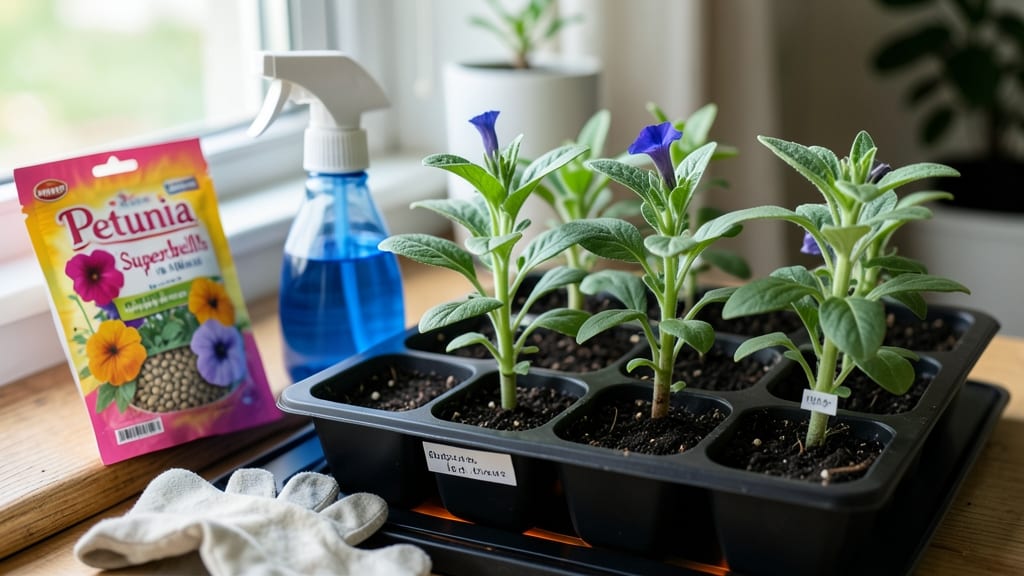
Starting flower seeds indoors lets you beat the heat and get a head start on a showstopping summer garden. ✨ I've sown petunias, marigolds, and snapdragons indoors for years, and the secret to success isn't expensive gear—it's timing, light, and patience.
Most seeds need 6-8 weeks of indoor growing before transplanting, so plan ahead for your last frost date.
The right setup makes all the difference: a seed tray with drainage holes, sterile seed-starting mix, and a grow light (or sunny windowsill) are your essentials. I swear by LED grow lights on a timer—no need for fancy setups.
Keep the soil consistently moist but never soggy, and maintain temperatures between 65-75°F for most annuals. That's all it takes to get those first green shoots.
What you'll end up with is a tray of vibrant seedlings ready to outpace anything from the nursery. They'll be stockier, more established, and better able to handle transplant shock.
Plus, you get to pick exactly which varieties you want—no store-bought limitations. The payoff? A garden bursting with color from day one.
Works for almost any flower variety, from delicate pansies to bold zinnias. The key is starting early enough—so mark your calendar now. Here's how to get those seeds sprouting right away!
📚 In This Guide
- What you need
- Instructions
- Tips and common mistakes
- Wrapping up and next steps
What you need
- ● Flower seeds: Choose fast-growing varieties like marigolds, pansies, or petunias (1–2 packets, ~50–100 seeds total). Opt for organic or heirloom seeds for best results.
- ● Seed trays or containers: 4–6" deep, with drainage holes (e.g., plastic cell packs, biodegradable pots, or repurposed containers like yogurt cups).
- ● Seed-starting mix: Lightweight, sterile peat-based or coconut coir mix (avoid garden soil—it’s too dense!). A 10–20 quart bag covers most setups.
- ● Grow lights: Full-spectrum LED or fluorescent bulbs (12–16" above seedlings). A clip-on or T5 fixture works for small setups; larger setups may need a 12–24" shelf light.
- ● Misting bottle or spray nozzle: For gentle watering (avoid over-saturating seeds!).
- ○ Plastic wrap or humidity dome: Keeps moisture in until germination (optional but helpful for slow-sprouting seeds).
- ● Labels & markers: To track seed types and planting dates (use toothpicks + tape for DIY labels!).
- ● Heating mat: Speeds up germination for cool-weather seeds (set to 70–75°F).
- ● Fertilizer: Water-soluble, low-nitrogen formula (like 5-10-5) for seedlings after sprouting.
- ● Fan: A small oscillating fan (on low) strengthens seedlings by simulating wind.
- ● Reflective material: Foil or white boards behind trays to maximize light efficiency.
- ● Transplant trays: Larger pots (2–3" diameter) for seedlings before outdoor planting.
Step-by-step instructions for sowing flower seeds indoors
Here's how to get your flower seedlings off to the strongest start possible.
🌱 Step 1: Prepare Your Containers and Seed Starting Mix
Use clean, shallow containers with drainage holes—anything from seedling trays to yogurt cups with holes poked in the bottom works. Fill them with a sterile seed-starting mix (never garden soil—it's too dense and may harbor diseases). I like to add a handful of perlite to the mix to improve drainage and prevent compaction.
Moisten the mix until it's damp but not soggy—think of a wrung-out sponge. Press it down gently so the surface is firm but not packed. This ensures good seed-to-soil contact while still allowing roots to push through easily. Tap the container lightly on the table to settle everything evenly.
🌱 Step 2: Sow the Seeds at the Right Depth
Read the seed packet for specific depth instructions, but most flowers should be planted at a depth of about twice the diameter of the seed. Tiny seeds like petunias can go on the surface, lightly pressed in, while larger seeds like snapdragons need ¼ inch of coverage. I use a toothpick to make small holes—it's precise and won't crush delicate seeds.
Place 1-2 seeds per cell if using a tray, or 1 seed every 1-2 inches in a larger container. Sowing too many leads to weak, crowded seedlings that compete for light. After planting, cover the seeds lightly with additional mix (except for tiny seeds that need surface contact). Mist the surface gently with water until evenly moist.
💧 Step 3: Provide Warmth and Humidity for Germination
Cover the containers with a clear plastic dome, plastic wrap, or even a ziplock bag to trap warmth and moisture. Flowers germinate best at 70-75°F, so a seedling heat mat helps speed up the process. Place the containers in a warm spot—on top of the fridge or near a sunny window—until you see sprouts.
Check daily but resist the urge to water. The humidity dome keeps the soil evenly moist without overwatering. Once 50% of seeds have sprouted (usually in 7-14 days, depending on the flower type), remove the dome immediately. Trapped humidity around new seedlings invites damping-off disease, which causes stems to collapse overnight.
☀️ Step 4: Move to Bright Light Immediately After Germination
The instant seedlings break through the soil, they need 14-16 hours of light daily. A south-facing window rarely provides enough intensity, so I use a full-spectrum LED grow light positioned 2-4 inches above the plants. Raise it as they grow to maintain that gap—you'll see leggy growth if it's too far away.
Strong seedlings have thick stems, deep green color, and compact spacing between leaves. If stems stretch and bend toward the light (called "leggy"), your light is too far away. Rotate the containers a quarter turn daily so plants grow straight instead of leaning.
🌿 Step 5: Thin Seedlings and Encourage Healthy Growth
When seedlings have 2-3 true leaves (the first set of leaves that look like the mature plant's), thin them to 1 seedling per cell or 3-4 inches apart in larger containers. Use scissors to snip unwanted seedlings at soil level—pulling can disturb roots and damage neighbors. This reduces competition and gives remaining plants room to grow.
Water from the bottom by placing the tray in ½ inch of water for 10-15 minutes. This encourages roots to grow downward instead of sitting in soggy soil. After thinning, fertilize lightly with a half-strength balanced fertilizer (like 5-5-5) to support early growth. Avoid over-fertilizing—you're nurturing seedlings, not mature plants.
Tips & tricks for perfect flower seed starting indoors
Here's what nobody tells you about getting those delicate sprouts off to the right start.
Container Choice Matters: Skip the plastic takeout containers—they trap too much moisture and can lead to mold. Instead, opt for containers with drainage holes that allow excess water to escape. If you're using yogurt cups or milk cartons, poke holes in the bottom with a nail or screwdriver. This prevents root rot and keeps your seedlings healthy from day one.
Seed Depth is Critical: When planting seeds at twice their diameter, use a toothpick to create precise holes—it's more accurate than your finger. For tiny seeds like petunias, press them gently into the surface rather than covering them. Too-deep planting can prevent them from reaching the light, while too-shallow planting can dry them out before they sprout.
Lighting Secrets: That south-facing window? Not enough. Position your grow light just 2-4 inches above seedlings at first, then raise it as they grow. If you notice stems stretching toward the light (leggy growth), your light's too far away. Rotate containers daily so plants grow straight instead of leaning toward one side. This simple habit makes all the difference in strong, sturdy seedlings.
Germination Timing: Most flower seeds sprout within 7-14 days at 70-75°F, but some varieties like snapdragons can take up to 21 days. If you've waited 2 weeks and nothing's emerged, gently moisten the soil again—sometimes seeds just need a little encouragement. Once 50% of seeds have sprouted, remove the humidity dome immediately to prevent damping-off disease.
Pro Tips for Sowing Flower Seeds Indoors
- Here's what nobody tells you about getting those delicate sprouts off to the right start.
- Container Choice Matters: Skip the plastic takeout containers—they trap too much moisture and can lead to mold. Inste...
- Seed Depth is Critical: When planting seeds at twice their diameter, use a toothpick to create precise holes—it's mor...
Frequently asked questions
Got questions about starting your flower seeds indoors? You’re not alone! Here are some of the most common concerns—and their answers—from gardeners just like you.
When is the best time to start sowing flower seeds indoors?
The ideal time depends on your climate and flower type, but a general rule is 6–8 weeks before the last frost. Check seed packets for specific recommendations—some, like tomatoes or petunias, need early starts, while others (like marigolds) can go later. Use a frost date calculator for your area to plan accurately!
Do I need grow lights, or can I use regular household lights?
Regular lights (like incandescent bulbs) won’t cut it—flower seeds need 12–16 hours of full-spectrum light daily. Grow lights (LED or fluorescent) mimic sunlight best. If you’re short on space, clip lights work well for small setups. Just keep them 2–4 inches above seedlings to avoid burning them.
Why are my seeds not germinating, even with moisture and warmth?
Seeds need consistent moisture, warmth (70–85°F), and oxygen to sprout. Common culprits: overwatering (which suffocates seeds), old seeds (test viability with a paper towel germination test), or incorrect soil temps. Try pressing seeds lightly into soil (don’t bury too deep!) and using a seedling heat mat for extra warmth.
Can I reuse containers or soil from last year’s indoor sowing?
Reusing containers is fine if they’re clean, but sterilize them first (boil or soak in 10% bleach solution) to prevent mold or disease. Soil, however, should not be reused—it can harbor pathogens. Opt for fresh, sterile potting mix with perlite or vermiculite for drainage. Pro tip: Label containers to track planting dates!
What’s the easiest flower to grow from seed indoors for beginners?
Start with fast-growing, forgiving varieties like:
- Marigolds – Germinate in 5–10 days; pest-repellent!
- Zinnias – Bright, colorful, and thrive in containers.
- Sunflowers – Large seeds = easy to handle; kids love them!
- Pansies – Cold-hardy and bloom quickly.
Wrapping up and next steps
Sowing flower seeds indoors is your secret weapon for earlier, healthier blooms—no matter your outdoor climate! With the right setup, patience, and a little light, you’ll transform tiny seeds into vibrant plants ready to thrive in your garden. 🌱✨
Now that you’re armed with the know-how, take the next step: grab your supplies, set up your grow station, and start sowing! Whether you’re a beginner or a seasoned green thumb, every seed you plant today is a future burst of color waiting to happen.
Happy growing—your garden will thank you! 🌸