
Planting
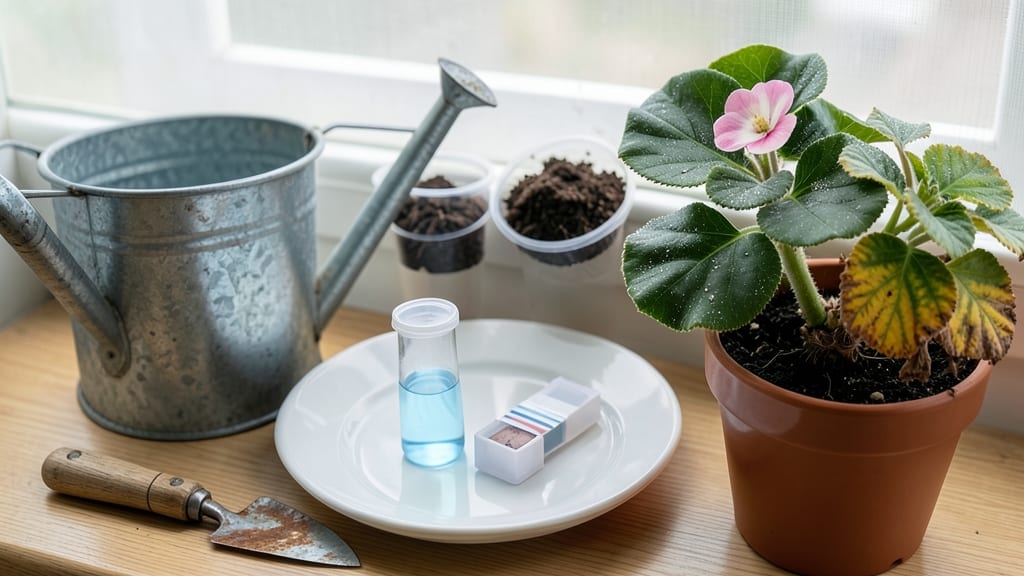
Your begonia plant dying with a sad droop isn’t a death sentence—it’s usually root rot screaming for help. 🌱 I’ve nursed back more than a dozen of these by catching the problem early, and the fix is simpler than you’d think.
The key? Stopping the rot, saving what roots are left, and giving your plant a fresh start in the right conditions.
Root rot starts with soggy soil and spreads fast, turning healthy roots black and mushy while leaves yellow or wilt. Fungal infections often tag along, creating mold at the soil line or slimy stems.
The good news? Begonias are tough—they bounce back when you act. Most cases improve within 7-10 days of proper care, and many plants fully recover with a little TLC.
Here’s the game-changer: repot in fresh, well-draining mix, trim the rotten roots, and adjust your watering to once a week (or less). Add a fungicide spray if you see mold, and keep the plant in bright, indirect light.
Prevent future drama by using pots with drainage holes and watering only when the top inch of soil feels dry.
If the roots are 70% gone or the plant stays limp after a week, it’s time to say goodbye—some cases just don’t recover. But for most begonia casualties, this rescue works. Trust me, your plant’s comeback is closer than you think.
Root Causes Behind Begonia Decline
Begonias are resilient plants, but when they start wilting, yellowing, or dropping leaves, it’s often a sign of stress from hidden issues. Understanding why your begonia is struggling is the first step to saving it. Below, we break down the most common culprits—each with a scientific twist and actionable fixes.
Begonias thrive in moisture but drown in soggy soil. When roots sit in waterlogged conditions, they suffocate due to a lack of oxygen, leading to anaerobic respiration—a process that produces toxic ethanol and acids.
This triggers root rot, a fungal or bacterial infection that cuts off nutrient uptake.
🔍 Signs:
- Yellowing leaves (especially lower ones)
- Mushy, black, or brown stems at the base
- Soil that smells sour or rotten
- Leaves that feel limp even when soil is damp
💡 Why it happens:
- Clay or compacted soil repels water, creating pockets where roots can’t breathe.
- Lack of drainage holes in pots traps excess water.
- Overzealous watering—begonias prefer soil to dry out slightly between waterings (check the top 1–2 inches).
- Cold temperatures slow root activity, making them more susceptible to rot.
✨ Fix it:
- Repot in a well-draining mix (50% peat/perlite/cactus soil + 50% perlite/pumice).
- Use pots with drainage holes and elevate them on saucers to prevent water pooling.
- Water only when the top inch of soil is dry, and never let it sit in saucers.
- If rot is severe, trim blackened roots with sterilized scissors and treat with a fungicide (like copper-based solutions).
Begonias are light-loving but sun-shy. Too much direct sunlight causes photodamage, while too little weakens the plant, making it prone to pests and disease. Both scenarios stress the plant, leading to leaf scorch, yellowing, or stunted growth.
🔍 Signs:
- Sunburn: White or brown patches on leaves (like freckles).
- Leggy growth: Tall, sparse stems with few leaves (a sign of etiolation).
- Pale or yellow leaves: Not enough light for photosynthesis.
💡 Why it happens:
- South- or west-facing windows expose begonias to harsh afternoon sun (temps >85°F/30°C).
- Low-light corners (e.g., north-facing rooms) slow growth and weaken immunity.
- Transplant shock after moving from shade to bright light (or vice versa).
✨ Fix it:
- Place begonias in bright, indirect light (e.g., east-facing windows or 3–5 feet from a west window).
- Use sheer curtains to diffuse harsh light in summer.
- Rotate the pot quarter-turns weekly for even growth.
- For indoor plants, supplement with a grow light (12–14 hours/day) if natural light is insufficient.
Begonias are magnet for pests like spider mites, aphids, and thrips, which pierce leaves to feed on sap. Their saliva introduces toxins that cause necrosis (dead tissue), yellowing, and stunted growth. Fungal diseases (e.g., Botrytis or Powdery Mildew) thrive in humid, stagnant conditions, further weakening the plant.
🔍 Signs:
- Sticky residue (honeydew) on leaves = aphids or scale.
- Fine webbing on undersides = spider mites.
- White powdery spots = Powdery Mildew.
- Black sooty mold (a fungal growth fed by pest honeydew).
💡 Why it happens:
- Dry air (from heating/AC) stresses plants, making them vulnerable to mites.
- Overcrowded pots reduce airflow, encouraging fungal spread.
- Contaminated tools or soil introduce pathogens during repotting.
- High humidity + poor ventilation = perfect conditions for Botrytis (gray mold).
✨ Fix it:
- Isolate infected plants to prevent spread.
- Wipe leaves with a damp cloth and neem oil solution (1 tsp neem oil + 1 quart water + a drop of dish soap).
- For mites, spray with water daily to deter them (they hate humidity).
- Prune dead or diseased leaves with sterilized scissors.
- Improve airflow with a small fan (set to low) or spacing plants 6+ inches apart.
Begonias are tropical plants that prefer stable conditions. Sudden temperature drops, drafts, or low humidity disrupt their metabolic processes, leading to cold damage or transpiration stress (when leaves lose more water than they absorb).
🔍 Signs:
- Brown, crispy leaf edges = low humidity.
- Black or mushy spots on leaves = frost or cold shock.
- Drooping leaves that don’t recover after watering = transpiration stress.
💡 Why it happens:
- Drafts from AC vents, open windows, or doors shock the plant.
- Heating systems dry out air, causing leaf edges to brown.
- Nighttime temps below 60°F (15°C) stunt growth and invite rot.
- Sudden changes (e.g., moving from indoors to outdoors without acclimation).
✨ Fix it:
- Keep begonias in 65–75°F (18–24°C) ranges day and night.
- Use a humidifier or place the pot on a pebble tray with water.
- Avoid placing near heat/AC vents or glass doors.
- Ac
Revive Your Begonia Fast
If your begonia is looking sad—yellow leaves, limp stems, or mushy roots—don’t panic! Most issues have simple fixes, and with a little TLC, your plant can bounce back to its vibrant self.
Below, we’ve mapped out the most common causes of decline and the easy, actionable stepsto turn things around. Plus, we’ll share pro tips to keep your begonia thriving long-term.
If your begonia’s leaves are yellowing, wilting, or the soil smells foul, root rot is likely the culprit. This happens when roots sit in soggy soil for too long, cutting off oxygen and inviting fungus.
🔥 Step 1: Stop Watering Immediately
- Let the top 1–2 inches of soil dry out completely before watering again. Stick your finger in the soil—if it’s damp past your first knuckle, wait.
🍳 Step 2: Remove the Plant & Inspect Roots
- Gently take the begonia out of its pot and rinse the roots under lukewarm water to wash away excess soil.
- Snip off any black, mushy, or slimy roots with sterilized scissors (🔪). Healthy roots are firm and white or light tan.
👨🍳 Step 3: Repot in Fresh, Well-Draining Mix
- Choose a pot with drainage holes (if it doesn’t have them, drill some!).
- Use a mix of:
- 50% peat-free potting soil
- 30% perlite or pumice (for aeration)
- 20% orchid bark or coconut coir
- Replant the begonia at the same depth it was before, and water lightly only when the topsoil is dry.
⏰ Step 4: Monitor & Adjust Care
- Place the plant in bright, indirect light (no harsh sun yet).
- Water only when the top 1–2 inches of soil are bone-dry.
- Avoid letting it sit in saucers of water—empty saucers after watering.
💡 Pro Tip: Add a fungicide like copper fungicide or hydrogen peroxide (3%) to water for the first few weeks to prevent reinfection.
Crispy leaf edges, dry soil pulling away from the pot walls, or drooping leaves? Your begonia is thirsty—but don’t drown it! Sudden soaking can shock stressed roots.
💧 Step 1: Water Deeply & Slowly
- Water until it runs out the drainage holes, but avoid letting the plant sit in standing water.
- Let excess water drain completely before placing it back in its saucer.
🌡️ Step 2: Increase Humidity (Without Overdoing It)
- Begonias love humidity! Place the pot on a tray of pebbles with water (keep the pot above the water line) or use a humidifier nearby.
- Mist the leaves lightly in the morning (avoid evening misting—it can cause fungal issues).
🎯 Step 3: Adjust Light & Temperature
- Move the plant to bright, indirect light (east or north-facing windows are ideal).
- Keep it away from drafts, AC vents, or heaters.
✨ Pro Tip: Group plants together to create a microclimate of humidity, or use a clear plastic bag with holes (like a mini greenhouse) for a few days to help recovery.
Sticky leaves, tiny webs, or white cottony spots? Pests like spider mites, aphids, or mealybugs are sucking the life out of your begonia. Act fast—they multiply quickly!
🕷️ Step 1: Isolate the Plant
- Move it away from other plants to prevent spreading.
🧼 Step 2: Wipe Down Leaves
- Dampen a soft cloth with soapy water (mild dish soap) or neem oil solution (1 tsp neem oil + 1 quart water).
- Gently rub off pests from leaves and stems.
🔥 Step 3: Treat the Soil & Roots
- Soak the roots in a neem oil or insecticidal soap solution for 10–15 minutes, then replant.
- For severe infestations, use a systemic insecticide like imidacloprid (follow label instructions).
🌿 Step 4: Encourage Natural Predators
- Release ladybugs or lacewings (available at garden centers) to eat pests naturally.
💡 Pro Tip: Quarantine new plants for 2–3 weeks before introducing them to your collection to avoid bringing pests home.
Sudden wilting, leaf drop, or brown patches? Your begonia might be struggling with extreme temps or light changes.
🌡️ Step 1: Stabilize the Environment
- Keep temps between 65–75°F (18–24°C). Avoid cold drafts or heaters.
- If moving indoors, acclimate the plant gradually over 1–2 weeks.
☀️ Step 2: Optimize Light Exposure
- Begonias need bright, indirect light. A sheer curtain can diffuse harsh sunlight.
- Rotate the pot weekly so all sides get even light.
🌿 Step 3: Trim Damaged Foliage
- Snip off any crispy, brown, or yellow leaves with clean scissors to redirect energy to healthy growth.
🔥 Pro Tip: If your begonia is leggy or stretching toward light, it’s not getting enough. Consider a grow light for 12–14 hours/day in winter.
Keep your begonia happy with these easy habits:
- ✅ Water wisely: Stick to the "finger test" (wait until topsoil is dry).
- ✅ Drainage is key: Always use pots with holes and well-draining soil.
- ✅ Humidity helper: Group plants or use a pebble tray.
- ✅ Pest patrol: Inspect leaves weekly, especially undersides.
- ✅ Light love: Avoid direct sun; east or north windows are ideal.
- ✅ Fertilize lightly: Use a balanced liquid fertilizer (10-10-10) every 4–6 weeks in spring/summer.
With these fixes, your begonia should perk up in weeks—and with a little prevention, it’ll stay lush and lovely for years. Happy gardening! 🌸
Frequently asked questions
Why are my begonia leaves turning yellow first at the bottom?
Yellowing bottom leaves are usually the first sign of root rot or overwatering. When roots sit in soggy soil too long, they suffocate and can't absorb nutrients, causing leaves to yellow and drop. Check if the soil smells sour or the stems feel mushy at the base—these are red flags. Let the top 1-2 inches of soil dry completely before watering again.
Can I save a begonia with black, mushy stems?
You might still save it if only the stems are affected and the roots are mostly healthy. Cut back the blackened stems with sterilized scissors, then repot in fresh, well-draining soil. Avoid watering for 3-5 days to let any cuts heal. If the roots are also rotting (black and slimy), you'll need to trim those too and treat with fungicide.
What's the best way to tell if my begonia has root rot?
Gently remove the plant from its pot and examine the roots. Healthy roots are firm and white/tan, while rotten roots are black, mushy, and may smell foul. If more than 30% of the roots are affected, your plant needs urgent repotting. Even with some rot, you can often save the plant by trimming the bad roots and improving drainage.
How often should I water my begonia after saving it from root rot?
After treating root rot, water only when the top 1-2 inches of soil are completely dry—usually once a week or less in warm weather. Use a moisture meter or stick your finger in the soil to check. Begonias are drought-tolerant once established, so it's better to underwater slightly than risk soggy soil again.
Will my begonia grow back if I cut it way back?
Yes! Begonias are surprisingly resilient. If you've cut back to healthy stems (about 2-3 inches above soil level), new growth should emerge within 2-4 weeks with proper care. Keep it in bright, indirect light and maintain consistent moisture (but not soggy) to encourage regrowth. Some varieties may produce even bushier growth after pruning.