
Planting
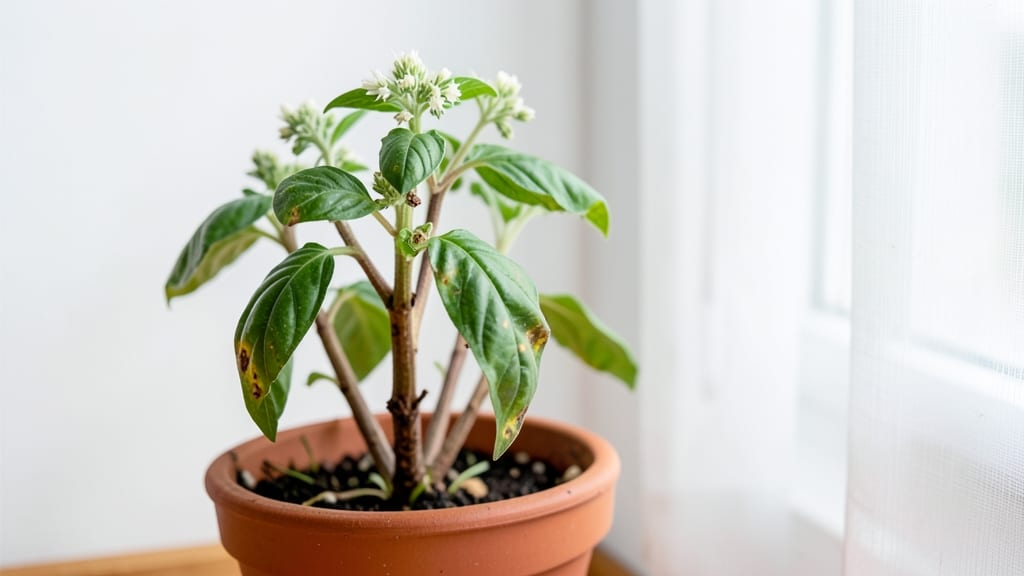
Brown stems on your basil mean it’s fighting for its life—but there’s still time to save it. 🌱 I’ve nursed back more than a dozen plants from this exact problem, and the fix is simpler than you think.
The key is identifying whether it’s water stress, disease, or pests, then acting fast before the whole plant turns crispy.
Overwatering is the #1 culprit, turning stems mushy and black at the base. Fungal diseases like damping-off create brown, fuzzy patches, while pests like spider mites leave silvery webbing and speckled stems.
Check the roots first—healthy ones smell earthy, not rotten. If they’re waterlogged, your plant needs a dry spell and better drainage.
Prune away the brown stems immediately with clean scissors, cutting just above healthy green growth. For severe cases, take cuttings from the top and root them in fresh soil.
Within 7-10 days, you’ll see new shoots pushing through if you’ve caught it early. The secret? Less water, more airflow, and keeping the soil slightly moist—not soggy.
Prevent future problems by watering at the base (not overhead), using pots with drainage holes, and rotating plants weekly for even sunlight. If the stems stay brown after a week of care, it’s time to compost the plant—better to lose one than watch the whole garden suffer.
Trust me, your next batch will thrive.
Root Causes Of Stem Discoloration
Brown stems on your basil plant can be a real head-scratcher—especially when the leaves still look vibrant. But before you panic, let’s break down the most common culprits behind this issue, so you can diagnose and fix it fast.
Understanding the why behind the brown is the first step to saving your plant.
Basil thrives in moist but well-drained soil. When roots sit in soggy conditions for too long, they struggle to absorb oxygen, leading to anaerobic stress. This causes the stems to turn brown or mushy as cells break down from lack of airflow.
🔹 How to spot it: Check the soil—if it’s damp days after watering or the pot lacks drainage holes, overwatering is likely the issue.
🔹 Actionable fix:
- Let the top 1–2 inches of soil dry out between waterings.
- Repot in a container with drainage holes if needed.
- Use a lightweight potting mix (like a 50/50 blend of potting soil and perlite).
Basil loves sunlight, but too much direct heat—especially in hot climates—can scorch stems and leaves. When temperatures exceed 90°F (32°C), basil’s cell walls can break down, causing brown, crispy patches on stems and leaves.
🔹 How to spot it: Brown stems appear dry and papery, often on the side facing the sun.
🔹 Actionable fix:
- Provide afternoon shade (use a sheer curtain or move the plant to partial shade).
- Water deeply in the morning to help cool the roots.
- Mulch around the base to retain moisture and regulate soil temperature.
Brown, slimy or discolored stems could signal a pathogen attack. Fungal diseases like stem rot (Phytophthora) or bacterial infections (e.g., Xanthomonas) thrive in humid, stagnant conditions. These pathogens clog the plant’s vascular system, cutting off water and nutrients, which turns stems brown or black.
🔹 How to spot it:
- Stems feel soft or mushy when touched.
- Brown discoloration spreads upward from the base.
- Leaves may yellow or wilt despite moist soil.
🔹 Actionable fix:
- Prune infected stems immediately with sterilized scissors (rubbing alcohol or bleach solution).
- Apply a copper fungicide (like copper sulfate) or neem oil spray to prevent spread.
- Improve air circulation by spacing plants apart or using a small fan.
- For severe cases, repot in fresh, sterile soil.
Basil is a tender annual and can’t handle temperatures below 50°F (10°C). When exposed to cold drafts, frost, or sudden temperature drops, the plant’s cell membranes rupture, causing brown, crispy or blackened stems.
🔹 How to spot it: Damage often appears overnight and affects younger stems first.
🔹 Actionable fix:
- Move basil indoors if frost is forecasted (place near a sunny window).
- Avoid placing pots near drafty windows or AC vents.
- Use a cloche or row cover for outdoor plants in cooler climates.
While basil doesn’t need heavy feeding, imbalances in nutrients—especially magnesium, calcium, or nitrogen—can stress the plant. For example:
- Magnesium deficiency (often from overwatering or acidic soil) causes interveinal chlorosis (yellowing between veins) and can lead to brown, brittle stems.
- Calcium deficiency (common in alkaline soil) weakens cell walls, making stems prone to browning.
- Salt buildup (from tap water or fertilizers) can burn roots, causing brown stems.
🔹 How to spot it: Brown stems may appear brittle or stunted, paired with yellowing leaves.
🔹 Actionable fix:
- Flush the soil with water to remove excess salts (let water run through the pot for 5–10 minutes).
- Amend soil with compost or worm castings for balanced nutrients.
- Use a mild, organic fertilizer (like fish emulsion) if growth is slow.
- Test soil pH—aim for 6.0–7.0 (basil prefers slightly acidic to neutral).
💡 Pro Tip: If you’re unsure which cause is at play, check the roots—healthy roots should be white or pale. If they’re black, mushy, or smell rotten, it’s likely a watering or fungal issue. If they’re dry and brittle, underwatering or heat stress is the culprit.
Revive Your Basil Quickly
Brown stems on your basil can feel like a recipe for disaster, but don’t toss those plants just yet! With the right steps, you can nurse them back to health and keep your kitchen garden thriving.
Below, we’ll tackle the most common causes of brown stems—from overwatering to pests—and show you how to fix them, plus how to prevent future problems.
If your basil’s stems are mushy and brown, root rot is likely the culprit. Overwatering suffocates roots, cutting off their oxygen supply and leading to decay.
How to Fix It:
- 🔥 Step 1: Stop Watering Immediately Let the soil dry out completely before watering again. Stick your finger an inch into the soil—if it’s damp, wait another day.
- 🍳 Step 2: Check the Pot’s Drainage If your basil is in a container, ensure it has drainage holes. If not, repot it into a pot with holes or add a layer of perlite or sand to improve airflow.
- 👨🍳 Step 3: Trim the Damaged Stems Use clean, sharp scissors to snip off any brown, mushy stems at the base. Avoid cutting healthy green growth.
- ⏰ Step 4: Repot (If Needed) If the roots smell foul or are black, your plant may need a fresh start. Gently remove it from the pot, trim the rotten roots, and replant in well-draining soil.
💡 Prevention Tips:
- Water only when the top inch of soil is dry.
- Use a pot with drainage holes and a lightweight potting mix.
- Avoid letting basil sit in saucers of standing water.
Brown, crispy stems can also signal thirsty plants or heat damage. Basil wilts quickly when it doesn’t get enough water, especially in hot weather.
How to Fix It:
- 🔥 Step 1: Water Deeply and Slowly Give your basil a thorough soak until water runs out the drainage holes. Avoid shallow watering, which encourages weak roots.
- 🍳 Step 2: Mulch to Retain Moisture Add a 1-inch layer of mulch (like straw or shredded leaves) around the base to lock in moisture and keep roots cool.
- 👨🍳 Step 3: Move to a Cooler Spot If temperatures are above 90°F (32°C), relocate your basil to partial shade. Use a shade cloth if full sun is unavoidable.
- ⏰ Step 4: Prune Damaged Leaves Trim any crispy or brown leaves to redirect the plant’s energy to new growth.
💡 Prevention Tips:
- Water in the morning to reduce evaporation.
- Group basil plants together to create a microclimate with higher humidity.
- Use self-watering pots in extreme heat.
Brown stems can also result from pests like aphids, spider mites, or fungal diseases (e.g., bacterial wilt). These invaders weaken the plant, causing discoloration and stunted growth.
How to Fix It:
- 🔥 Step 1: Inspect for Pests Check the undersides of leaves and stems for tiny bugs, webbing, or sticky residue (honeydew). Common culprits include aphids and spider mites.
- 🍳 Step 2: Treat with Neem Oil or Soap Spray Mix 1 tsp neem oil or insecticidal soap with 1 quart of water and spray the plant thoroughly. Repeat every 5–7 days until pests are gone.
- 👨🍳 Step 3: Prune Infected Areas Snip off heavily infested stems and dispose of them in a sealed bag (not the compost). Sterilize your scissors with rubbing alcohol between cuts.
- ⏰ Step 4: Improve Air Circulation Space plants apart to reduce humidity, which fungi love. Avoid overhead watering to prevent fungal spores from spreading.
💡 Prevention Tips:
- Rotate crops if growing basil in the ground to prevent soil-borne diseases.
- Use row covers to block pests while allowing sunlight and air flow.
- Keep your garden tools clean to avoid spreading pathogens.
Too much fertilizer or a lack of essential nutrients can stress basil, leading to brown stems. Basil prefers light feeding and well-balanced soil.
How to Fix It:
- 🔥 Step 1: Flush the Soil If you’ve over-fertilized, water the plant generously to leach excess salts from the soil. Repeat 2–3 times over a week.
- 🍳 Step 2: Test Your Soil Use a simple soil test kit to check pH and nutrient levels. Basil thrives in slightly acidic to neutral soil (6.0–7.0 pH).
- 👨🍳 Step 3: Feed Lightly Use a balanced, water-soluble fertilizer (10-10-10) diluted to half strength. Apply every 4–6 weeks during the growing season.
- ⏰ Step 4: Amend the Soil Mix in compost or worm castings to improve soil structure and provide slow-release nutrients.
💡 Prevention Tips:
- Follow the fertilizer label—more isn’t better!
- Avoid synthetic fertilizers; opt for organic options like fish emulsion or compost tea.
- Harvest regularly to encourage new growth and reduce nutrient demands.
🎯 Final Pro Tip: If your basil is beyond saving, don’t despair! Take healthy cuttings (4–6 inches long) and propagate them in water or soil. You’ll have fresh basil in 2–3 weeks—and a chance to learn from past mistakes. Happy gardening! 🌿
Frequently asked questions
Can brown stems on basil spread to healthy leaves?
Yes, if the brown stems result from a fungal disease (like stem rot) or pests, it can spread to healthy leaves. Fungal spores or pests often travel through the plant's vascular system, causing discoloration to progress upward. Act fast by pruning infected stems and treating with neem oil or copper fungicide to prevent further spread.
How can I tell if my basil’s brown stems are from overwatering or underwatering?
Check the soil and stems: Overwatered basil has mushy, blackened stems and damp soil, while underwatered plants show dry, crispy stems with dry soil. For overwatering, let the soil dry out completely; for underwatering, water deeply until it drains from the bottom of the pot.
Is it safe to use basil with brown stems in cooking?
Only if the brown is superficial (like sun damage) and the stems are still firm. If stems are mushy, slimy, or have fungal growth, discard the plant—these signs indicate disease or rot that can affect flavor and safety. When in doubt, take cuttings to propagate new, healthy plants instead.
Why are my basil stems turning brown at the base but the leaves stay green?
This is often a sign of root rot or bacterial wilt, where the roots or stem base are compromised but the leaves haven’t yet lost function. Check for mushy stems or foul smells—if present, trim the affected area and improve drainage. If the base is firm but brown, it may be nutrient stress or aging.
How often should I prune basil to prevent brown stems?
Prune every 2-4 weeks to encourage airflow and remove damaged growth. Focus on cutting back leggy stems and yellowing leaves—this redirects energy to healthy growth. Always use clean scissors and avoid over-pruning, which stresses the plant.