
Planting
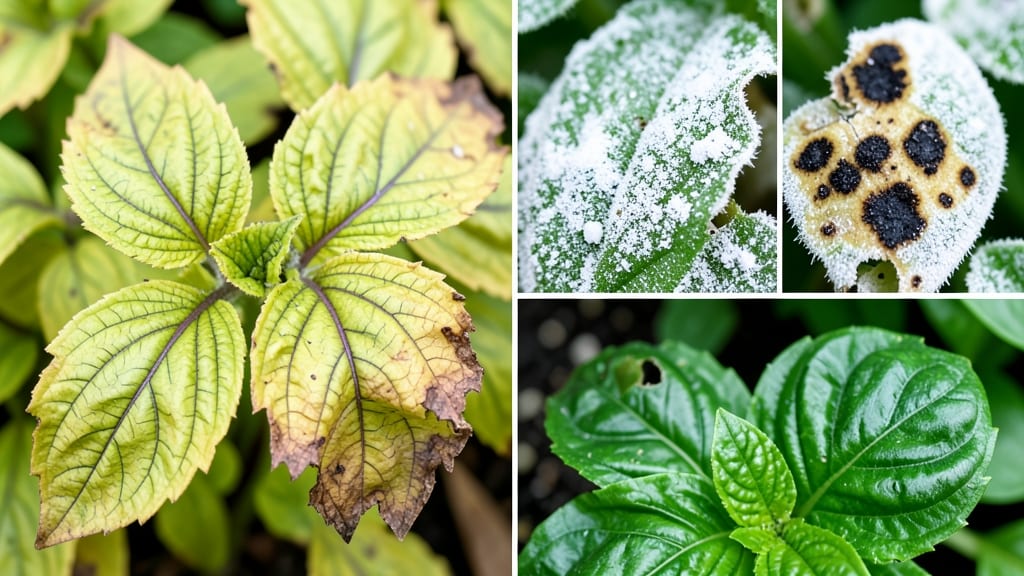
Seeing basil plant problems in your pictures? 🌿 Those yellow leaves that just won’t quit are your plants’ way of screaming for help—and I’ve diagnosed every symptom, from wilted stems to mysterious spots, and I’m here to decode them all.
Most issues boil down to three culprits: too much (or too little) water, pests hiding on the undersides of leaves, or fungal infections creeping in from damp soil. The good news?
Each has a simple fix—once you know what you’re dealing with. I’ll walk you through the most common problems, what they look like, and how to turn things around fast.
By the end, you’ll spot trouble before it spreads, save your plants from common pitfalls, and keep your basil lush, fragrant, and productive all season long. No more guessing games—just clear solutions backed by what actually works in real gardens.
Whether you’re dealing with crispy edges, blackened stems, or leaves that look like Swiss cheese, we’ll tackle it step by step. Let’s get those plants back to their best!
Root Causes Behind Basil Woes
Understanding why your basil plant develops issues like yellowing leaves, spots, or wilting starts with identifying the environmental, biological, or cultural stressors at play. Basil (Ocimum basilicum) is a tender herb that thrives in specific conditions—when these are disrupted, problems arise.
Below, we break down the most common culprits and the science behind them.
---
Basil plants hate soggy roots, and excess moisture triggers a cascade of problems: - Root Rot (Pythium & Phytophthora): Fungal pathogens thrive in waterlogged soil, blocking nutrient uptake and causing roots to turn mushy and black.
This leads to yellowing leaves, wilting, and stunted growth. - Nutrient Leaching: Overwatering flushes essential minerals (like nitrogen, potassium, and magnesium) from the soil, weakening the plant’s cellular structure. - Oxygen Deprivation: Roots need oxygen to respire.
Compacted or waterlogged soil suffocates them, leading to chlorosis (yellowing between leaf veins).
Why it happens: - Basil prefers well-draining soil with a pH of 6.0–7.0. If planted in heavy clay or containers without drainage holes, water pools at the roots. - Overzealous watering (e.g., daily in humid climates) prevents soil from drying between sessions. - Lack of mulch can exacerbate evaporation at the soil surface, creating a false "dry" appearance while roots remain waterlogged.
---
Basil is 90% water—when deprived, it signals distress through: - Leaf Scorch: Edges turn crispy and brown due to plasmolysis (cells losing turgor pressure from dehydration). - Wilting: Leaves droop as the plant conserves moisture, often followed by premature leaf drop. - Stunted Growth: Without adequate water, the plant prioritizes survival over new foliage, leading to small, tough leaves.
Why it happens: - Inconsistent watering (e.g., skipping midday hydration in hot weather) stresses the plant. - High temperatures (above 90°F/32°C) increase transpiration rates, outpacing root absorption. - Shallow root systems in young basil mean they can’t access deep moisture reserves during droughts.
--- Basil shows distinct symptoms based on what’s missing: | Symptom | Likely Deficiency | Why It Happens | |---------------------------|-----------------------|------------------------------------------------------------------------------------| | Yellow lower leaves | Nitrogen (N) | Nitrogen fuels leafy growth; depletion causes old leaves to yellow first. | | Purple stems/leaves | Phosphorus (P) | Poor root development or cold soil slows P uptake, stunting growth. | | Yellow veins, weak stems | Magnesium (Mg) | Common in alkaline soils; Mg is crucial for chlorophyll production. | | Brown leaf tips | Potassium (K) | K regulates water and disease resistance; deficiency appears as scorched edges.|
Why it happens: - Over-fertilizing with nitrogen (e.g., too much manure or synthetic N) can burn roots, while under-fertilizing leads to slow nutrient absorption. - Soil pH imbalances (too acidic or alkaline) lock out nutrients like iron or calcium, even if they’re present. - Competition from weeds or overcrowded plants exhaust soil nutrients faster.
--- Basil’s soft stems and broad leaves make it a magnet for pests and pathogens: - Aphids & Spider Mites: These sap-suckers cause sticky residue (honeydew), curled leaves, and silver webbing on undersides.
They weaken the plant, making it susceptible to sooty mold (a black fungal growth). - Whiteflies: Tiny white insects cluster on leaves, transmitting viruses like basil downy mildew (Peronospora belbahrii), which causes yellow angular spots and leaf drop. - Fungal Infections (Powdery Mildew): White, powdery patches on leaves block sunlight, leading to yellowing and premature death.
Thrives in humid, low-light conditions.
Why it happens: - Poor air circulation (e.g., overcrowded pots or dense foliage) traps moisture, ideal for fungal spores. - Stressed plants (from drought or nutrient deficiency) have lower defenses against pests. - Contaminated tools or soil can introduce pathogens from other infected plants.
--- Basil is a sun-worshipper but hates extremes: - Too Much Sun (Sunburn): In intense afternoon heat (above 95°F/35°C), leaves develop bleached or white patches (necrotic spots) from oxidative stress. - Too Little Light (Leggy Growth): Stretching toward light (etiolation) causes pale, weak stems and small leaves.
This happens in shady spots or indoor grow lights too far away. - Cold Stress: Temperatures below 50°F (10°C) slow metabolism, leading to yellowing, stunted growth, and even death in frost-prone areas.
Why it happens: - Greenhouse or indoor basil often suffers from inconsistent light (e.g., fluorescent bulbs lacking UV spectrum). - Sudden temperature drops (like evening breezes in coastal areas) shock the plant. - Plastic pots can overheat in full sun, cooking roots while leaves wilt.
--- Moving basil—even to a "better" pot—can trigger stress responses: - Wilting or Drooping: Roots are traumatized during repotting, disrupting water and nutrient uptake. - Yellowing Leaves: The plant sheds old leaves to conserve energy for root regrowth. - Slow Recovery: If roots were pruned too aggressively or the new soil lacks organic matter, recovery takes 1–2 weeks.
Why it happens: - Disturbing the root ball during transplanting severs fine feeder roots. - Compacted or rocky soil in new pots restricts root expansion. - Immediate heavy watering after transplanting can drown freshly disturbed roots.
Quick Fixes for Common Basil Woes
Revive your basil plant with these targeted solutions—whether your leaves are yellowing, spotted, or wilting, we’ve got you covered. Below, we map each problem to its cure, plus pro tips to keep your basil thriving long-term.
---
Fix: Adjust your watering habits and boost nutrients. - Step 1: Check the Soil 👨🌾 Stick your finger 1–2 inches into the soil. If it’s soggy, your basil is overwatered. Let the top inch dry out between waterings. - Step 2: Improve Drainage 🏗️ Ensure pots have drainage holes, and use a well-draining potting mix (like 60% potting soil + 30% perlite + 10% compost). - Step 3: Fertilize Gently 🌿 Use a balanced liquid fertilizer (10-10-10) diluted to half-strength every 3–4 weeks. For organic options, try fish emulsion or compost tea.
Prevention Tip: 💡 Water in the morning so leaves dry quickly, reducing fungal risks.
---
Fix: Isolate, treat, and restore health. - Step 1: Identify the Culprit 🔍 - Pests (aphids, spider mites, or whiteflies): Inspect undersides of leaves for tiny bugs or webbing. - Fungus (downy mildew): Look for fuzzy gray patches on leaves. - Step 2: Treat Pests 💦 - Neem oil spray: Mix 1 tsp neem oil + 1 tsp mild soap + 1 quart water. Spray leaves thoroughly (repeat every 5–7 days). - Insecticidal soap: Spray directly on pests for immediate knockdown. - Step 3: Combat Fungus 🍄 - Prune infected leaves with sterilized scissors. - Apply copper fungicide or a baking soda spray (1 tsp baking soda + 1 quart water + a drop of soap).
Prevention Tip: ✨ Space plants 12+ inches apart to improve airflow and deter fungal growth.
---
Fix: Hydrate properly and check root health. - Step 1: Water Deeply 💧 Water until it runs out the drainage holes, then wait until the topsoil is dry before watering again. - Step 2: Trim Damaged Roots 🌱 (if repotting) If roots are mushy or black (root rot), trim healthy roots and repot in fresh, sterile soil. - Step 3: Adjust Light ☀️ Basil needs 6+ hours of sunlight daily. If indoors, place near a south-facing window or use grow lights.
Prevention Tip: 🌡️ Keep soil consistently moist but not waterlogged—think "damp sponge," not "soggy rag."
---
Fix: Optimize light exposure. - Step 1: Move to a Sunnier Spot 🌞 Basil thrives in full sun. Rotate pots weekly for even growth. - Step 2: Use Grow Lights 💡 (if indoors) LED grow lights 6–12 inches above plants for 12–14 hours/day. - Step 3: Prune Strategically ✂️ Pinch off the top sets of leaves to encourage bushier growth.
Prevention Tip: 🎯 Start with a 6-inch pot—crowded roots stress plants and slow growth.
---
If your basil is beyond saving with minor fixes, try this last-resort rescue: 1. Trim Back 🔪 – Cut ⅓ of the plant to reduce stress. 2. Repot in Fresh Soil 🏺 – Use a mix with perlite for drainage.
3. Bottom-Water 💧 – Place the pot in 1 inch of water for 10 minutes to rehydrate roots. 4. Move to Shade 🌿 – Protect from direct sun for 3–5 days while it recovers.
--- Bonus Pro Tip: 🌿 Harvest regularly! Pruning encourages new growth and prevents bolting (flowering), which ruins flavor. Snip leaves just above a pair of leaves.
Frequently asked questions
What do brown crispy edges on basil leaves mean?
Those crispy brown edges are a classic sign of underwatering or low humidity. Basil needs consistent moisture—check if the top inch of soil is dry. Increase watering slightly and place the pot on a tray with pebbles and water to boost humidity.
Why are my basil leaves turning yellow but staying green at the veins?
This yellowing between veins (chlorosis) usually means your basil isn’t getting enough magnesium or iron. Test your soil pH—basil prefers 6.0–7.0. If too alkaline, add Epsom salt (1 tsp per gallon of water) monthly or use chelated iron fertilizer.
How do I tell if my basil has spider mites vs. powdery mildew?
Check the leaf undersides—spider mites leave fine webbing and tiny yellow specks, while powdery mildew appears as white, powdery patches. For mites, spray with neem oil; for mildew, prune infected leaves and improve airflow. Both thrive in dry/humid conditions, respectively.
Can I still use basil leaves that have a few brown spots?
Yes! Remove the spotted or damaged parts and use the rest. Brown spots from sunburn or pests don’t make the basil unsafe—just less pretty. For severe cases, trim the whole leaf and let the plant recover. Always wash leaves before using.
Why does my indoor basil keep flowering and bolting?
Indoor basil bolts (sends up flowers) due to lack of light or heat stress. Move it to a sunny window (6+ hours of light) or use grow lights. Pinch off flower buds immediately—they ruin flavor! Keep temps above 60°F (15°C) and harvest regularly to encourage leafy growth.