
Planting
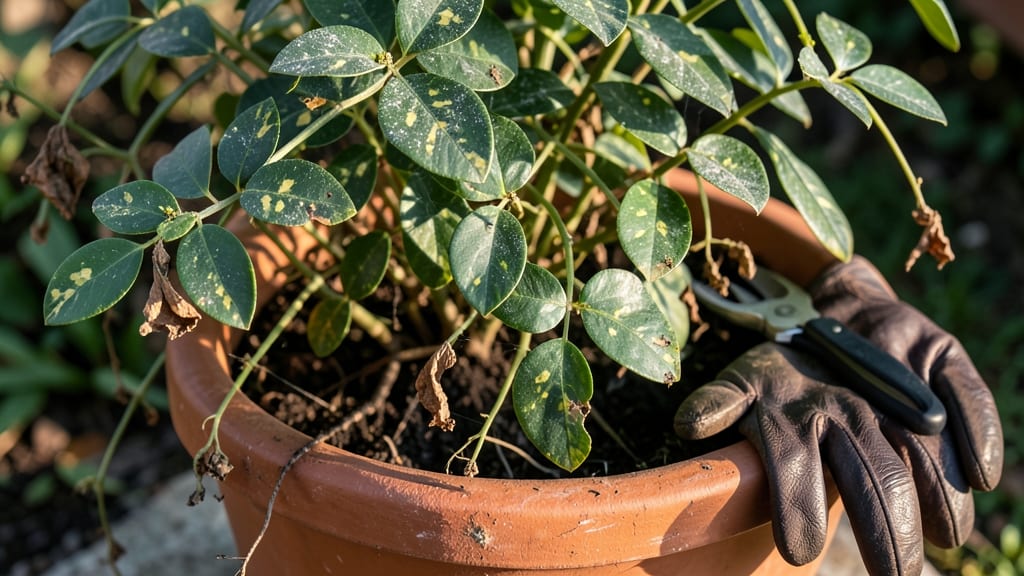
Your jasmine's drooping leaves and sparse blooms might be fixable in under 2 weeks—if you know what to look for. 🌿 I've nursed back more than a few struggling jasmine plants, and the key is spotting the exact problem early: is it thirst, pests, or something sneaky like root rot?
The solution changes everything.
Most jasmine troubles start with watering mistakes—either drowning the roots or leaving them bone-dry. Yellowing leaves? Probably overwatering. Crispy edges? Underwatering.
Then there are the pests: aphids, spider mites, and scale insects all love jasmine, and they'll suck the life out of your plant if you don't catch them fast. The good news? All of these have simple fixes once you know what you're dealing with.
By the end of this, you'll have a revived plant with glossy leaves and fragrant blooms—no more guesswork. We'll cover how to check soil moisture, spot pests before they spread, and prune for better airflow.
The best part? Most fixes take less than 30 minutes and use stuff you already have at home.
Whether your jasmine is wilting, not flowering, or covered in bugs, we'll tackle it step by step. Preventative care keeps your plant thriving for years, and I'll share the exact routine I use to keep mine blooming like crazy every spring and summer.
📚 In This Guide
- What you need
- Instructions
- Tips and common mistakes
- Wrapping up and next steps
What you need
- ● Pruning shears – sharp, sterilized (for trimming dead or overgrown branches)
- ● Gloves – gardening-grade, durable (to protect from thorns/pests)
- ● Spray bottle – 16 oz, with fine mist nozzle (for targeted watering or pesticide application)
- ● Fungicide – copper-based or neem oil solution (for fungal issues like powdery mildew)
- ● Insecticidal soap – ready-to-use or concentrated (for aphids, spider mites, or whiteflies)
- ● pH test kit – digital or liquid (to check soil acidity, ideal range: 6.0–7.0)
- ● Well-draining potting mix – 10–15 lbs (cactus/succulent blend or add perlite for aeration)
- ● Balanced fertilizer – 10-10-10 or 20-20-20, 1 lb (for nutrient deficiencies)
- ● Watering can – with a long spout (to avoid leaf damage)
- ● Aluminum foil or plastic wrap – small sheet (to protect soil during repotting)
- ● Humidity tray – with pebbles (if your jasmine loves moisture)
- ● Grow lights – LED, full-spectrum (for low-light conditions)
- ● Mulch – organic, 2–3 inches (to retain moisture and regulate temperature)
- ● Plant support stakes – bamboo or metal (if your jasmine is climbing and needs structure)
- ● Magnifying glass – 10x magnification (for spotting tiny pests or leaf damage)
How to diagnose and fix common jasmine plant problems
Jasmine's delicate beauty fades fast when issues pop up—here's how to spot and solve them before they spread.
🌿 Step 1: Check for Overwatering and Root Rot
Yellowing leaves and mushy stems? That's your first clue. Jasmine roots need air—when soil stays soggy for more than 2-3 days, rot sets in. Stick your finger 1 inch deep into the soil; if it feels cold and clumps together, you're overwatering. Let the top 3 inches dry out between waterings, especially in winter when growth slows.
For existing rot, trim affected stems back to healthy green tissue with clean, sharp scissors. Repot the plant into fresh, well-draining mix if the roots smell foul. I've saved many jasmine plants this way—just don't rush the drying process or you'll shock the roots further.
☀️ Step 2: Adjust Light Exposure for Wilting or Leggy Growth
Jasmine plants wilt when they get too much direct afternoon sun—especially in hot climates. Look for leaves that feel crispy to the touch or stems stretching toward light sources. Move your plant to a spot with bright, indirect light (like near an east-facing window) and watch for recovery within 3-5 days.
On the flip side, leggy growth with sparse leaves means too little light. If your jasmine stretches toward the window, it's begging for more. Rotate the pot a quarter turn weekly so it grows evenly, then supplement with a grow light 12-18 inches away for 6 hours daily. You'll see new leaves emerge within 2 weeks—that's your signal everything's working.
💧 Step 3: Revive Underwatered Jasmine with Proper Hydration
Drooping leaves that don't perk up after watering? That's classic underwatering. Jasmine needs consistent moisture but hates soggy roots. Water thoroughly until you see water drain from the bottom, then let the top 1-2 inches of soil dry out before watering again. In summer, I water mine every 2-3 days; in winter, every 5-7 days.
Here's the thing—jasmine plants often wilt even when they're properly watered. To test, lift the pot: if it feels light, water it. If it's heavy, wait another day. Overwatering is more common than you think, and it's the number one reason jasmine plants fail. Use a moisture meter if you're unsure—it takes the guesswork out of it.
✂️ Step 4: Prune for Better Airflow and More Blooms
Overgrown jasmine plants bloom less because dense foliage traps humidity and invites fungal diseases. Trim back leggy stems to encourage bushier growth. Cut just above a leaf node (the bump where leaves attach) using clean pruners. This isn't just about looks—proper pruning redirects energy to flower production.
After pruning, give your plant a balanced fertilizer with equal parts nitrogen, phosphorus, and potassium. I use a 10-10-10 mix every 4-6 weeks during growing season. You'll notice new growth within 2-3 weeks, and those buds will start forming faster than before. Don't skip this step—it's the difference between a few blooms and a fragrant cascade.
🪴 Step 5: Address Pest Infestations Quickly
Sticky leaves or tiny white crawlers? That's aphids or spider mites—common jasmine pests. Wipe leaves with a damp cloth to remove aphids, then spray with a mix of 1 part water, 1 part alcohol, and a drop of dish soap. For spider mites, blast them off with water first, then treat with neem oil every 7 days until they're gone.
Prevention is easier than treatment. I inspect my jasmine plants weekly during warm months, especially on the undersides of leaves where pests hide. A strong blast of water from the hose (yes, even indoors) dislodges most pests before they become a problem. If you catch an infestation early, your plant will bounce back in 10-14 days with no lasting damage.
Tips & tricks for reviving wilting jasmine plants
Here's what nobody tells you about bringing your jasmine back from the brink—these tricks work fast.
Soil Test Trick: Before watering, press your finger into the soil—if it feels damp just 1 inch down, hold off. I've learned the hard way that jasmine roots need that top 3 inches to dry out completely between waterings. In winter, I let it dry out even longer since growth slows dramatically. The key is consistency: stick to that 2-3 day rule for summer watering, but don't be afraid to wait 5-7 days in cooler months.
Light Position Hack: That east-facing window is your best friend for jasmine recovery. If your plant is stretching toward light, it's begging for more—but not direct afternoon sun. I rotate my pots a quarter turn weekly to prevent lopsided growth. For indoor plants, a simple LED grow light 12-18 inches away for just 6 hours daily works wonders. You'll notice new leaves forming within 2 weeks if you've got the light right.
Pruning Precision: When trimming leggy stems, always cut just above a leaf node—the little bump where leaves attach. This might seem technical, but it's what encourages bushier growth and more blooms. I've seen jasmine plants double their flower production after proper pruning. Just remember: clean scissors are crucial to prevent disease spread. After pruning, give it that balanced fertilizer every 4-6 weeks—your plant will thank you with faster recovery.
Pest Prevention Shortcut: The single best thing I do is inspect my jasmine plants weekly during warm months. I focus on the undersides of leaves where pests love to hide. A quick blast of water from the hose (even indoors) dislodges most pests before they become a problem. For stubborn infestations, that neem oil treatment every 7 days clears them up fast—just don't forget to treat both sides of the leaves.
Pro Tips for Jasmine Plant Problems
- Here's what nobody tells you about bringing your jasmine back from the brink—these tricks work fast.
- Soil Test Trick: Before watering, press your finger into the soil—if it feels damp just 1 inch down, hold off. I've l...
- Light Position Hack: That east-facing window is your best friend for jasmine recovery. If your plant is stretching to...
Frequently asked questions
Got questions about keeping your jasmine plant thriving?
Here are some of the most common concerns—and quick fixes—to keep your fragrant friend happy!
Why are my jasmine leaves turning yellow?
Yellow leaves usually signal overwatering or poor drainage. Let the top 1–2 inches of soil dry out between waterings, and ensure your pot has drainage holes. If roots smell rotten, repot in fresh, well-draining soil to revive your plant.
Can jasmine survive winter indoors?
Jasmine is tropical and needs warmth! Keep it in a spot with 60–75°F (15–24°C) temperatures. Avoid drafts (like near windows or AC vents) and reduce watering slightly—overwatering in cool conditions stresses roots. A sunny windowsill works best!
Why isn’t my jasmine blooming?
Blooms need bright, indirect light (6+ hours daily) and regular pruning. Pinch back leggy stems in spring to encourage bushier growth. Fertilize lightly with a balanced 10-10-10 mix every 4–6 weeks during growing season (spring–fall).
How do I get rid of pests like spider mites?
Spider mites love dry air! First, wipe leaves with a damp cloth to remove webs. Then spray with neem oil (1 tsp per quart of water) or insecticidal soap weekly until gone. Increase humidity (try a pebble tray) to deter future infestations.
Can I grow jasmine from cuttings?
Take 4–6 inch cuttings from healthy stems (just below a leaf node), dip in rooting hormone, and plant in moist perlite or sand. Cover with a plastic bag to retain humidity, and place in bright, indirect light. Roots should form in 4–6 weeks!
Wrapping up and next steps
Caring for your jasmine plant doesn’t have to be a struggle—with the right knowledge, you can turn wilted leaves and sparse blooms into a thriving, fragrant beauty! 🌿✨ Remember, consistent watering, proper sunlight, and timely pruning are your best tools.
If pests or diseases strike, act fast with organic solutions to keep your plant happy and healthy.
Ready to give your jasmine the love it deserves? Start by checking its current needs today—adjust one small thing (like watering or sunlight) and watch it transform! Your green-thumbed efforts will pay off with lush foliage and intoxicating blooms in no time. 🌸