
Planting
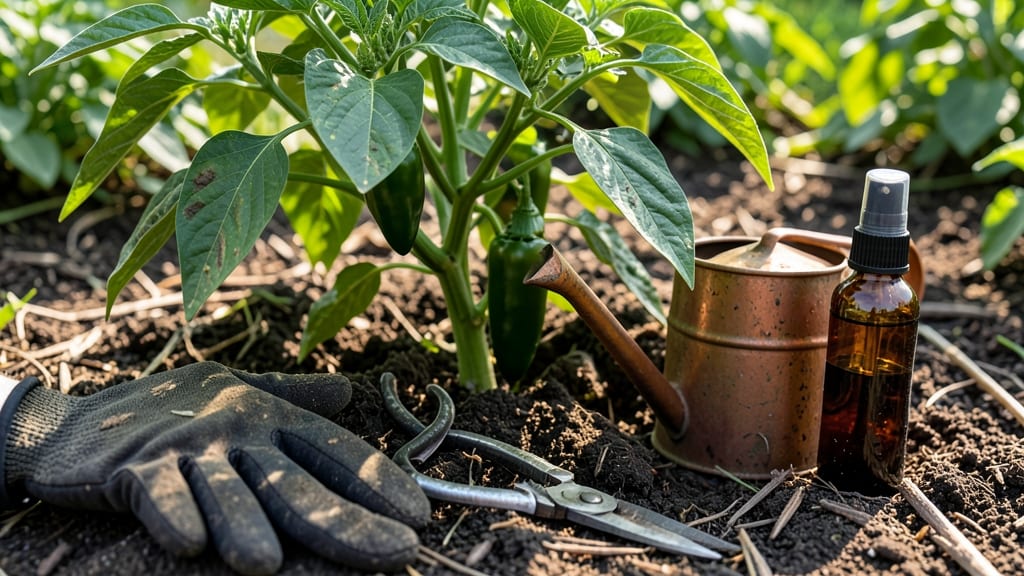
Your jalapeño plant’s stem turning black isn’t a death sentence—it’s a 48-hour fungal blight emergency. 🌱 I’ve saved more plants from this than I’d like to admit, and the fix starts with identifying whether it’s black rot, bacterial spot, or just overwatering gone wrong.
The key is acting fast before the infection spreads to your entire harvest.
Most gardeners blame overwatering first, but fungal blight thrives in damp, crowded conditions. Check for dark, sunken spots on stems or leaves—those are your red flags. Prune affected areas immediately with sterilized shears, and toss the clippings in the trash (don’t compost them!).
The goal is to stop the spread while you treat the root cause.
Within two days, you’ll see results if you adjust watering (let soil dry between waterings) and apply a mix of 1 part baking soda to 10 parts water with a drop of dish soap.
Spray the undersides of leaves where spores love to hide. Your plant might look rough for a few days, but with this fix, it’ll bounce back stronger than ever.
Prevention is easier than cleanup: space plants for airflow, water at the base (not overhead), and rotate crops yearly. Trust me, your next jalapeño harvest will thank you—no more blackened stems in sight.
Root Causes Of Blackened Stems
Blackened stems on your jalapeño plants can feel like a gut punch—especially when you’ve poured so much care into growing them. 🌱💔 But understanding the why behind this issue is the first step to saving your harvest.
Below, we break down the most common culprits, their science-backed triggers, and how they manifest in your plants.
Fungi thrive in damp, stagnant conditions and are the #1 reason jalapeño stems turn black. Here’s how they strike:
- Phytophthora Blight (Water Mold) - Cause: A soil-borne fungus-like organism (Phytophthora capsici) that spreads in overly wet or poorly drained soil, especially in warm (75–90°F) and humid climates. - How It Attacks: The pathogen invades roots first, then creeps up the stem, causing dark, water-soaked lesions that turn black and mushy.
Leaves may yellow or wilt as the plant struggles to transport water. - Red Flag: Blackened stems that feel soft or slimy when touched (unlike dry rot, which stays firm).
- Alternaria Leaf Spot & Stem Rot - Cause: The Alternaria fungus spreads via splashing water (rain, overhead irrigation) and thrives in high humidity (above 75%) or crowded plants with poor airflow. - How It Attacks: Stems develop black, concentric rings (like bullseye lesions) and may crack open.
Leaves show yellow-brown spots with dark borders. - Red Flag: Blackened areas that look dry and crusty (not slimy).
- Botrytis Blight (Gray Mold) - Cause: Botrytis cinerea loves moist, shaded conditions and often strikes after physical damage (e.g., broken stems from wind or handling). - How It Attacks: Stems turn black and fuzzy (grayish mold spores) and may rot at the base.
Common in greenhouse or container-grown jalapeños with poor ventilation. - Red Flag: Moldy texture + blackened stems near leaf junctions or wounds.
Jalapeños hate soggy roots—excess moisture starves roots of oxygen, creating the perfect breeding ground for fungi and bacterial rot.
- Root Rot (Pythium or Phytophthora) - Cause: Chronic overwatering (or heavy clay soil that doesn’t drain) leads to anaerobic conditions, where roots suffocate and turn black/mushy. - How It Attacks: Stems blacken at the base first, then spread upward.
The plant may topple over or leaves wilt suddenly. - Red Flag: Blackened stems paired with a foul smell (like rotting onions).
- Waterlogged Stress
- Cause: Even without rot, too-frequent watering (e.g., daily in hot weather) weakens stems, making them susceptible to physical collapse or fungal entry points.
- Red Flag: Blackened stems that feel hollow or brittle when squeezed.
Bacteria like Erwinia or Pseudomonas don’t just turn stems black—they liquefy them in days.
- Bacterial Stem Rot - Cause: Wounded stems (from pruning, hail, or pests) + high humidity let bacteria seep in. Often spreads via contaminated tools or infected plant debris. - How It Attacks: Stems oozes a foul-smelling, brownish-black liquid when cut open.
The plant wilts rapidly as vascular tissue clogs. - Red Flag: Blackened stems with yellowish bacterial ooze (like pus).
Extreme temperatures weaken stems, making them vulnerable to secondary infections.
- Sunscald or Frost Damage - Cause: Sudden temperature swings (e.g., freezing nights or scorching afternoons) cause cell death in stems, turning them black or brown. - How It Attacks: Blackened patches on exposed stems (often upper parts).
Leaves may also show crispy edges or white frost burn. - Red Flag: Blackened areas that look dry and papery (not slimy).
- Poor Airflow + Heat Stress
- Cause: Stagnant air in crowded plants + high heat (above 95°F) creates a sauna effect, inviting fungal/bacterial growth.
- Red Flag: Blackened stems near leaf clusters where humidity lingers.
Insects like aphids, spider mites, or cutworms chew stems, leaving wounds that fungi/bacteria exploit.
- Chewing Pests
- Cause: Cutworms (at night) or hornworms (by day) sever stems, creating blackened, jagged wounds that rot quickly.
- Red Flag: Blackened stems with visible bite marks or frass (insect droppings).
Over-fertilizing (especially with high nitrogen or salt) can scorch stems, turning them black.
- Fertilizer Burn
- Cause: Too much synthetic fertilizer (e.g., dumping granules near stems) or salt buildup in container soil.
- How It Attacks: Stems develop black, crispy edges and may crack. Leaves yellow with brown tips.
- Red Flag: Blackened stems paired with white crusty residue on soil.
Quick Fixes for Darkened Stems
If your jalapeño plant’s stem is turning black, don’t panic—there’s still hope! The key is acting fast and addressing the root cause (literally). Below are practical, step-by-step solutions tailored to the most common culprits, plus prevention tips to keep your peppers thriving.
Fungal blights like Alternaria or bacterial spot thrive in damp, warm conditions. Here’s how to stop the spread:
🍳 Remove Infected Areas
- Snip it out: Use sterilized pruning shears (wipe with rubbing alcohol) to cut off blackened stems and leaves—don’t leave stubs.
- Dispose properly: Toss infected clippings in the trash (not compost) to prevent reinfection.
👨🍳 Apply Fungicide
- Store-bought: Spray with a copper-based fungicide (like Bonide Copper Fungicide) or a neem oil solution (1 tbsp neem oil + 1 tsp mild soap per quart of water).
- DIY remedy: Mix 1 tsp baking soda + 1 quart water + a drop of dish soap—spray every 7–10 days.
- Timing: Apply early morning so the plant dries quickly (fungi love moisture!).
🌡️ Improve Airflow & Dryness
- Space plants: Give jalapeños 12–18 inches between plants for better airflow.
- Water wisely: Deep-water at the base (avoid overhead sprinkling) and only when the top inch of soil is dry.
- Mulch: Add 2–3 inches of straw or wood chips to keep soil moist but not soggy.
✨ Prevention for Next Time
- Rotate crops: Avoid planting peppers or nightshades (tomatoes, eggplants) in the same spot for 3 years.
- Solarize soil: Cover beds with clear plastic for 4–6 weeks in summer to kill fungal spores.
- Resistant varieties: Try ‘Apache’ or ‘Carolina Reaper’—they’re bred for disease resistance.
Black, mushy stems often mean root rot from overwatering or poor drainage. Here’s how to revive it:
🔪 Check the Roots
- Gently dig around the base to inspect roots.
- Healthy roots: Firm, white or light tan.
- Rotten roots: Black, mushy, or smelly—trim these with sterilized shears.
🥘 Repot or Adjust Watering
- If in a pot: Move to a larger container with fresh, well-draining soil (mix in perlite or vermiculite).
- If in ground: Amend soil with compost and sand to improve drainage.
- Water schedule: Let soil dry 2–3 inches deep between waterings—stick your finger in to test!
🎯 Emergency Drainage Fix
- Raise the pot: Place it on feet or bricks to prevent water pooling.
- Drainage holes: If your pot lacks them, drill a few—this is a quick lifesaver!
💡 Prevention Tips
- Use pots with drainage holes (no exceptions!).
- Test soil moisture: Use a moisture meter or your finger—don’t guess!
- Avoid soggy soil: If rain is forecast, cover plants with a tarp to shield from excess water.
If the blackening is localized or crispy, pests or chemical burns might be to blame.
🐛 Pest Control
- Aphids/Spider Mites: Blast off with a strong spray of water, then treat with insecticidal soap.
- Cutworms: Wrap stems with cardboard collars or use diatomaceous earth around the base.
🧴 Herbicide Residue? Flush It Out
- Rinse soil: Gently water the roots to dilute any chemical buildup.
- Move the plant: If in a container, repot with fresh soil to remove residue.
🎯 Long-Term Pest Prevention
- Companion plant: Grow basil or marigolds nearby to repel pests.
- Beneficial insects: Release ladybugs or lacewings to keep pests in check.
If the stem is completely black, soft, and collapsing: 1. Check for wilting: If leaves are crispy but the base is still firm, prune back and see if new growth appears.
- No recovery? Sadly, it may be time to replace the plant—but use the lessons learned to protect your next jalapeño crop!
Pro Tip: 💡 Monitor daily—catching issues early (within 48 hours) gives your plant the best shot at recovery. Keep an eye on new growth—healthy green leaves mean you’re on the right track!
Frequently asked questions
Why does my jalapeño stem turn black suddenly?
Sudden blackening usually signals fungal infection (like Alternaria or Phytophthora) or bacterial rot, both thriving in damp conditions. Check for slimy stems (fungal) or foul-smelling ooze (bacterial). Overwatering or poor drainage often triggers these issues first.
Can I save my jalapeño plant if the stem is already black?
Yes, but act fast! Prune blackened areas with sterilized shears, improve airflow, and apply a baking soda spray (1 tsp baking soda + 1 quart water + drop of soap). If roots are mushy (root rot), repot with fresh, dry soil immediately. Monitor daily for new growth.
Is black stem always a fungal problem?
Not always—black stems can also result from overwatering (root rot), fertilizer burn, or pest damage (like cutworms). Check for crispy edges (burn) or bite marks (pests). If stems feel dry and brittle, it’s likely environmental stress rather than fungal.
How often should I water jalapeños to prevent black stems?
Water deeply only when the top 2 inches of soil are dry. Avoid overhead watering—use drip irrigation or water at the base. In hot climates, this might mean watering every 3–4 days, while cooler weather may require weekly watering. Always ensure pots have drainage holes.
Will neem oil really help black stems?
Yes, neem oil is effective against fungal infections like Alternaria and Botrytis. Mix 1 tablespoon neem oil + 1 teaspoon mild soap per quart of water, then spray undersides of leaves (where spores hide). Apply in the morning so the plant dries quickly—fungi need moisture to spread.