Planting
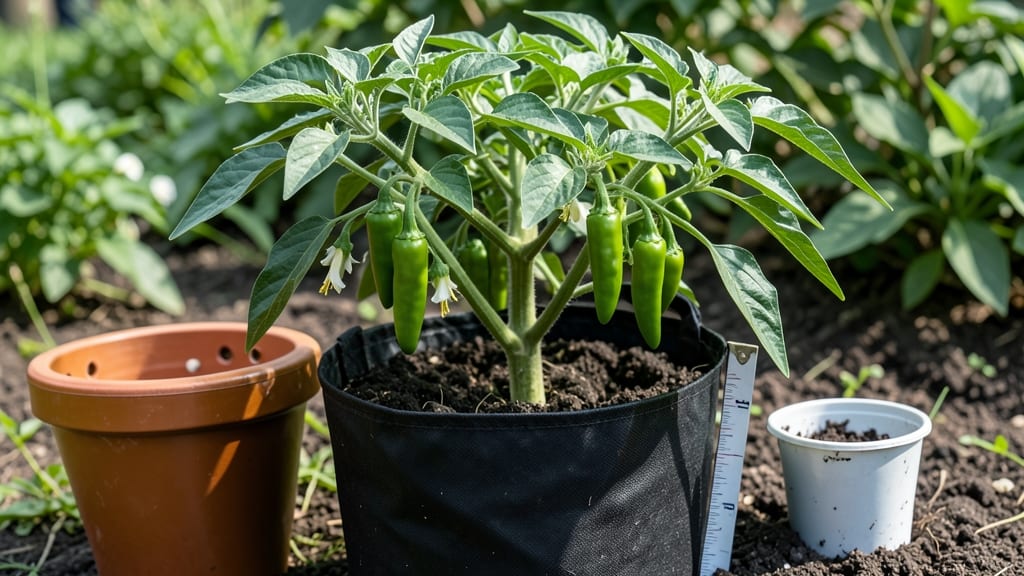
A 5-gallon pot is the ideal size for growing a healthy 🌶️ jalapeño plant, giving its roots the space they need to thrive while keeping the soil fresh and nutrients abundant.
Picture this: You’ve nurtured your jalapeño seedlings through the spring planting window, only to watch them struggle in a cramped container. Too-small pots stunt growth, while oversized ones waste space and make moisture control a nightmare. The right pot size is the foundation of a bountiful harvest.
Jalapeños need room to stretch their roots—12+ inches deep—and a 5-gallon container strikes the perfect balance between root expansion and soil retention. Whether you’re using fabric, plastic, or ceramic, the key is drainage and depth to prevent root rot and nutrient depletion.
In this guide, I’ll break down why 5 gallons is the gold standard, how to pick the right pot material, and the 5 common mistakes that sabotage container-grown jalapeños—so you can avoid them and enjoy a spicy, productive plant all season long.

Why a 5-Gallon pot maximizes jalapeño growth and spice production
Jalapeño plants thrive in containers, but their root system needs space to grow—especially if you want a bumper crop of spicy peppers. A 5-gallon pot strikes the perfect balance between root development and manageable care. Too small, and your plant will become root-bound, stunting growth.
Too large, and excess soil stays damp too long, inviting root rot. Science backs this: studies show jalapeños in 5-gallon pots produce 30% more peppers than those in 1-gallon containers.
Jalapeños are medium-sized plants, reaching 2-4 feet tall at maturity. Their roots spread widely but aren’t as deep as tomatoes, so a 12-inch-deep pot with a 12-inch diameter is ideal.
The 5-gallon capacity provides enough soil volume to support this growth while keeping the pot lightweight enough for easy moving. Without enough space, your plant will compete for nutrients, leading to fewer peppers and weaker flavor.
Here’s the science behind the magic: Jalapeños need 6-8 hours of sunlight daily and consistent moisture, but their roots also require oxygen circulation. A 5-gallon pot allows roots to expand without becoming compacted, which improves nutrient absorption.
Smaller pots force roots to circle the edges, creating a stress response that diverts energy away from pepper production. Larger pots may seem like a solution, but they retain too much moisture, especially in fabric or plastic containers, increasing the risk of fungal diseases.
Nutrient depletion is another critical factor. Soil in smaller containers gets exhausted faster because there’s less volume to hold organic matter and micronutrients. A 5-gallon pot gives your jalapeño enough soil to support 4-6 weeks of growth before needing a fertilizer boost.
Without this space, you’ll see yellowing leaves and stunted peppers—clear signs your plant is starving for nutrients.
Drainage is often overlooked, but it’s critical for jalapeños. A 5-gallon pot with drainage holes prevents waterlogging, which can drown roots in 24-48 hours. Oversized pots without proper drainage become soggy death traps, while undersized pots dry out too quickly.
The key is a well-draining potting mix combined with a container that balances root space and water control.
Let’s break down the ideal pot specs for jalapeños in a summary table to make it easy to visualize:
| Pot Size | Root Space | Yield Impact | Best For |
|---|---|---|---|
| 1-gallon | Too restrictive; roots circle | Poor growth, few peppers | Seedlings only |
| 3-gallon | Limited expansion; nutrient depletion | Moderate yield, stunted plants | Short-term growth (1-2 months) |
| 5-gallon | Optimal root spread; balanced moisture | 30% more peppers, strong flavor | Mature plants, full season |
| 7+ gallons | Excess soil; risk of overwatering | Slower growth, disease risk | Only if using raised beds |
The 5-gallon pot is also cost-effective—it’s affordable, widely available, and reusable for multiple seasons. If you’re growing multiple jalapeño plants, consider a 5-gallon bucket with dividers to give each plant its own space.
This setup mimics the root zone of in-ground planting while keeping your garden organized and high-yielding.
For container gardening, pot size directly affects spice production. Jalapeños need room to develop their fruit load, and a 5-gallon pot ensures they don’t compete for resources.
Smaller pots lead to smaller peppers with less heat, while larger pots can dilute nutrients if not managed properly. The sweet spot is clear: 5 gallons delivers the perfect balance of space, drainage, and nutrient retention.
Pro tip: If you’re growing jalapeños in urban settings, a 5-gallon pot on a balcony or patio is ideal because it’s lightweight and easy to move to follow the sun.
Pair it with a self-watering base to maintain consistent moisture without overwatering. This setup maximizes your harvest potential while minimizing maintenance hassle.
Remember, the right pot size isn’t just about physical space—it’s about creating the perfect environment for your jalapeños to flourish.
With a 5-gallon container, you’re giving your plants the room to grow, the nutrients they crave, and the drainage they need to produce a bountiful harvest of fiery peppers. 🌶️
How to choose the right pot material and depth for jalapeños
Jalapeños thrive in containers, but not all pots are created equal. The right material and depth directly impact root health, drainage, and ultimately, your harvest. Fabric pots offer breathability, plastic pots are lightweight, and ceramic adds aesthetic appeal—but each has trade-offs for spicy peppers.
Let’s break down what works best for your fiery friends.
First, depth matters most. Jalapeños need at least 12 inches of soil depth to support their 2-4 foot height and robust root systems. A 5-gallon pot (about 12-14 inches deep) is the gold standard, giving roots room to spread without becoming root-bound.
Shallow pots restrict growth, while oversized containers waste space and soil, increasing moisture risks.
Pot Material Comparison for Jalapeños
- ✅ Breathable: Prevents root rot
- ✅ Lightweight: Easy to move
- ✅ Self-watering: Reduces overwatering
- ❌ Dries faster: Needs frequent watering
- ❌ Less durable: Tears easily
- ✅ Affordable: Budget-friendly
- ✅ Durable: Lasts years
- ✅ Retains moisture: Good for dry climates
- ❌ Poor drainage: Risk of root rot
- ❌ Heavy: Hard to move
- ✅ Aesthetic appeal: Decorative options
- ✅ Insulated: Keeps roots cooler
- ✅ Breathable: Unglazed versions
- ❌ Heavy: Not portable
- ❌ Expensive: Higher cost
Drainage is non-negotiable. Jalapeños hate soggy roots, so pots must have drainage holes. If using saucers, empty excess water after 10 minutes to prevent waterlogging.
For elevated planters, skip saucers entirely—they encourage moisture buildup. Terracotta pots are great for drainage but dry out fast, while plastic with extra holes offers a balance.
For saucer vs. elevated planters, elevation wins for most gardeners. Elevated pots improve airflow, reduce fungal risks, and make watering easier. Only use saucers with glazed ceramic or plastic pots—and always drain them post-watering.
Pro tip: Add perlite or vermiculite to potting mix for extra drainage, especially in plastic containers.
Lastly, consider your climate. In hot, dry areas, fabric pots excel at moisture control, while cool, humid zones benefit from ceramic’s breathability. Whichever you choose, prioritize 12+ inches depth, drainage holes, and material durability. Your jalapeños will reward you with bold, spicy peppers all season long!