
Planting
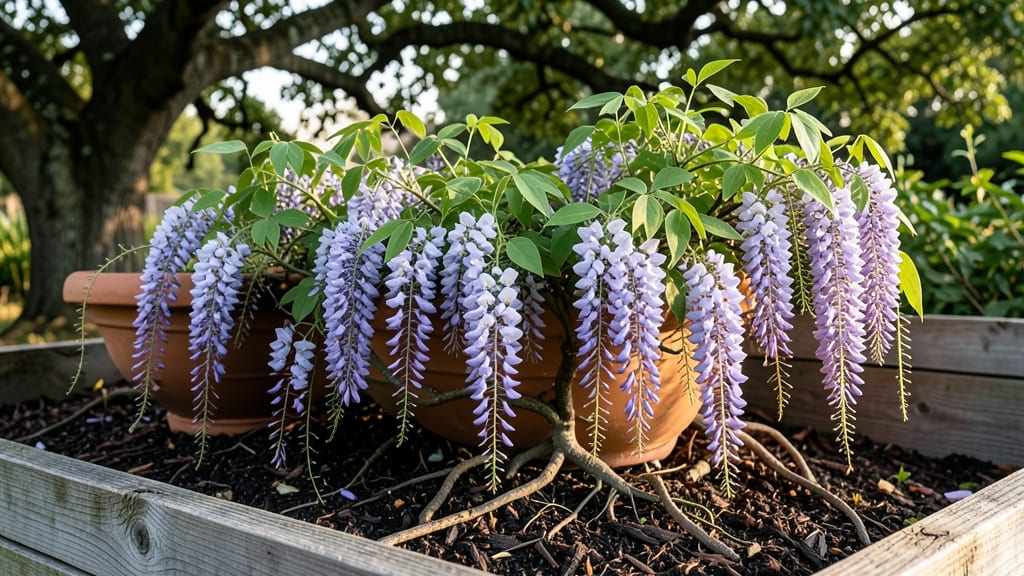
Growing a miniature wisteria plant means fragrant purple cascades without the invasive sprawl. 🌸 I’ve watched these compact beauties transform small balconies into fragrant dreamlands—no yard required.
The key lies in their dwarf varieties, which stay under 6 feet while still delivering the same intoxicating scent and delicate blooms as their giant cousins.
These plants thrive in containers 12–15 inches wide, making them perfect for patios or windowsills. They love morning sun and afternoon shade, and their roots appreciate well-draining soil mixed with compost. Unlike standard wisteria, they won’t strangle your fence—just your heart with their springtime perfume.
With proper pruning after flowering, you’ll encourage denser blooms and control their growth. The first year is about establishing roots; by year two, you’ll be rewarded with weeks of fragrant blooms that attract hummingbirds. Even in small spaces, this wisteria delivers big impact.
The trade-off? They need patience—full fragrance takes 2–3 years—but the payoff is worth every wait. Whether you’re a balcony gardener or a container enthusiast, these little powerhouses prove you don’t need a backyard for wisteria magic.
📚 In This Guide
- What you need
- Instructions
- Tips and common mistakes
- Wrapping up and next steps
What you need
- ● Miniature wisteria plant: Choose a dwarf variety like Wisteria floribunda 'Amethyst Falls' or Wisteria sinensis 'Prolific' (available at nurseries or online plant shops). 1 plant per container is ideal.
- ● Container: A 10–15 gallon pot with drainage holes (ceramic, fabric, or plastic). Ensure it’s at least 18 inches deep to support root growth.
- ● Well-draining potting mix: A blend of 50% high-quality potting soil, 30% perlite or pumice, and 20% compost (avoid garden soil—it compacts!).
- ● Support structure: A trellis, obelisk, or sturdy bamboo stake (height: 4–6 feet) to train vines as they grow.
- ● Slow-release fertilizer: 10-10-10 or 20-20-20 (follow package instructions for dosage).
- ● Pruning shears: Sharp, bypass pruners (sterilized with rubbing alcohol).
- ● Watering can or hose with gentle spray nozzle: For deep but controlled watering.
- ● Mulch: Pine bark or coconut coir to retain moisture and regulate soil temperature.
- ● Moisture meter: To check soil hydration (wisteria prefers consistently moist but not soggy soil).
- ● Epsom salt: 1 tablespoon per gallon of water (monthly) for magnesium boosts.
- ● Fungicide (preventative): Copper-based spray to ward off powdery mildew in humid climates.
- ● Gloves & long sleeves: Wisteria can have thorny stems—protect yourself!
- ● Grow lights (indoor setups): 12–14 hours of light daily if growing inside.
Step-by-Step guide to growing miniature wisteria in containers
Here's how to cultivate these delicate vines without the sprawling mess—perfect for small spaces.
🌱 Step 1: Select the Right Miniature Variety and Container
Choose a dwarf cultivar like Wisteria sinensis 'Amethyst Falls' or Wisteria floribunda 'Royal Purple', bred specifically for containers. These stay under 6 feet tall with proper pruning, unlike their sprawling cousins. Select a 15-20 gallon container with drainage holes—wisteria roots need room to spread but hate soggy feet.
I use unglazed terra cotta because it breathes, preventing root rot. Add 2-3 inches of gravel at the bottom for drainage—this prevents waterlogging, which is the #1 killer of container-grown wisteria. Place the container where it gets full sun (6+ hours daily)—these vines need intense light to produce those signature fragrant blooms.
🪴 Step 2: Plant with Proper Soil and Support Structure
Fill the container with a mix of 50% premium potting soil, 30% perlite, and 20% compost. Wisteria roots are sensitive to compacted soil, so avoid garden soil—it will suffocate them. Plant your 1-2 year old bare-root miniature wisteria in early spring, positioning the graft union 1 inch below soil level to encourage strong growth above.
Install a 5-foot tall trellis or obelisk immediately after planting. Wisteria vines twine clockwise—this isn't just decoration, it's how they climb. Secure the main stem to the trellis with soft plant ties (never wire, which cuts into tender bark). Water deeply until you see moisture drain from the bottom holes, then let the top 2 inches of soil dry before watering again.
☀️ Step 3: Provide Consistent Care Through the Growing Season
Feed your miniature wisteria every 4-6 weeks with a balanced 10-10-10 fertilizer diluted to half-strength during active growth (spring through summer). Over-fertilizing leads to lush foliage but few flowers—you want those blooms! Water when the top 2 inches of soil feel dry, but never let the roots sit in water. Container soil dries faster than garden beds, so check daily in summer heat.
Prune immediately after flowering to shape the plant and encourage next year's blooms. Cut back one-third of the current season's growth to a bud facing outward. This prevents leggy growth and keeps your miniature wisteria compact. I always sterilize my pruners with rubbing alcohol between cuts to prevent disease spread—wisteria is prone to bacterial infections.
✂️ Step 4: Winter Care for Container-Grown Miniature Wisteria
Move your container to a protected location (like a garage or under an eave) before temperatures drop below 20°F. Wisteria roots are tender and won't survive freezing in containers. Wrap the pot in bubble wrap and add a 4-6 inch layer of straw mulch around the base—this insulates roots while allowing airflow to prevent rot.
Reduce watering to once every 2-3 weeks during dormancy, only enough to keep the soil from completely drying out. Resist the urge to fertilize—your plant is resting. In late winter (when you see new growth buds swelling), bring it back into full sun and resume regular care. This annual winter prep keeps your miniature wisteria thriving for years in containers.
Tips & tricks for perfect miniature wisteria growth in containers
Container gardening with wisteria requires a few key adjustments—here's what I've learned after years of growing these compact beauties.
Container Size Matters: That 15-20 gallon requirement isn't arbitrary—wisteria roots spread aggressively. I've seen people use 10-gallon pots and struggle with root-bound plants by year two. If you're limited on space, go for the larger end of the range. The extra volume prevents roots from circling, which leads to stunted growth and poor flowering. For extra insurance, choose a container that's at least 12 inches wide at the base to accommodate root spread.
Soil Mix Secrets: The 50-30-20 ratio of potting soil, perlite, and compost is non-negotiable for container wisteria. I've experimented with adding coconut coir for moisture retention, but found it can get too soggy in summer heat. Instead, increase the perlite to 35% if you live in a humid climate—this improves drainage without sacrificing nutrients. Always pre-moisten your soil mix before planting to eliminate air pockets that can suffocate roots.
Pruning Precision: When you're cutting back one-third of the current season's growth in Step 3, focus on removing the longest, leggiest stems first. These are the ones that won't produce flowers next year. I make all my cuts just above an outward-facing bud to encourage bushier growth. For the first two years, avoid heavy pruning—let your plant establish its structure. The goal is to maintain that compact 6-foot height while maximizing bloom production.
Winter Protection Upgrade: The 20°F threshold is critical, but I've found adding an extra layer of insulation makes all the difference in colder climates. After wrapping the pot in bubble wrap, I place the entire container inside a larger cardboard box with straw packing around the sides. This creates a microclimate that can protect roots down to 15°F in short-term cold snaps. Just remember to remove the box in early spring before new growth appears.
Pro Tips for Miniature Wisteria Plant
- Container gardening with wisteria requires a few key adjustments—here's what I've learned after years of growing thes...
- Container Size Matters: That 15-20 gallon requirement isn't arbitrary—wisteria roots spread aggressively. I've seen p...
- Soil Mix Secrets: The 50-30-20 ratio of potting soil, perlite, and compost is non-negotiable for container wisteria. ...
Frequently asked questions
Got questions about growing your own miniature wisteria?
You’re not alone! Here are answers to the most common queries—so you can enjoy those dreamy, compact blooms with confidence.
How fast do miniature wisteria plants grow?
Miniature wisteria grows much slower than its full-sized cousins, typically adding 6–12 inches per year with proper care. Patience is key—it may take 2–3 years to see significant vines or blooms. Choose a dwarf variety (like Wisteria floribunda ‘Amethyst Falls’) for even slower, more manageable growth.
When is the best time to plant a miniature wisteria?
Plant in early spring or fall when temperatures are mild (50–70°F). Avoid extreme heat or frost. If planting in containers, use well-draining soil and place in partial shade until established. Pro tip: Soak the root ball before planting to reduce transplant shock!
Can miniature wisteria grow in containers?
Use a large container (at least 15–20 gallons) with drainage holes and a trellis for support. Opt for lightweight, fast-draining potting mix. Warning: Containers dry out faster—water deeply 2–3 times weekly in summer. Dwarf varieties thrive in pots, but expect pruning to control sprawl.
Why isn’t my miniature wisteria blooming?
Blooms require 3–5 years of maturity and cold stratification (winter chilling). If it’s older but still bare, check these fixes:
- Light: Needs 6+ hours of sun (morning sun + afternoon shade works best).
- Pruning: Trim after flowering to encourage new growth (but avoid heavy cuts).
- Fertilizer: Use a balanced, low-nitrogen formula in early spring.
Are there non-climbing alternatives to miniature wisteria?
If vines aren’t your style, try these compact, fragrant bloomers for containers:
- Clematis ‘Jackmanii’ (dwarf varieties like ‘Niobe’)
- Jasmine ‘Moth’ (sweet-scented, bushy habit)
- Honeysuckle ‘Little Suzie’ (dwarf, disease-resistant)
Wrapping up and next steps
Growing a miniature wisteria plant brings a touch of elegance to small spaces without sacrificing beauty! With the right container, sunlight, and care, these compact bloomers thrive—perfect for balconies, patios, or even cozy windowsills. 🌸
Ready to transform your space? Start by choosing your favorite variety and plant it today—your future garden will thank you! Need inspiration? Browse garden centers or check local nurseries for healthy starts. Happy growing! 🌱