
Planting
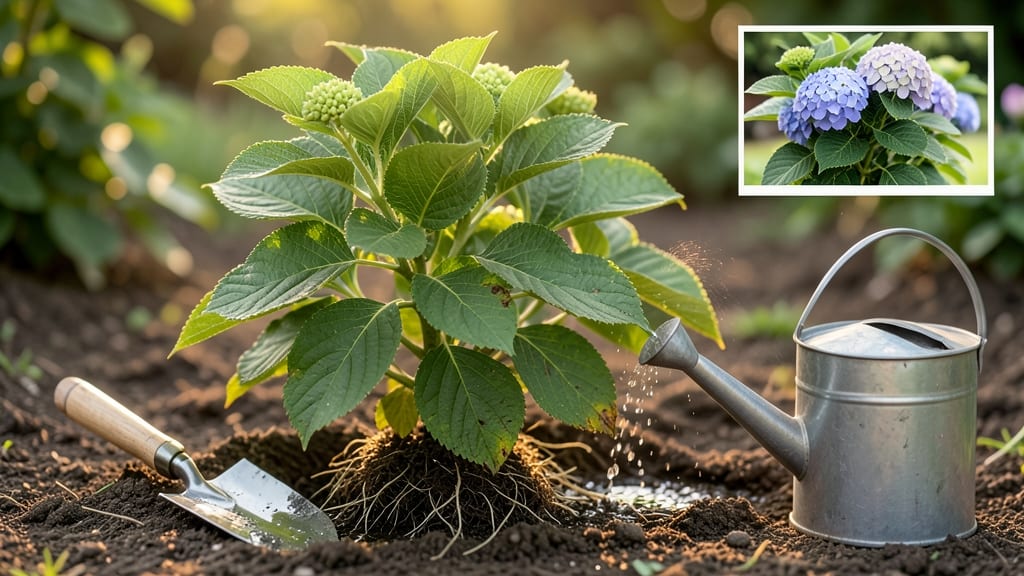
Hydrangea transplant shock typically lasts 2 to 4 weeks, though severe stress may extend recovery to 6-8 weeks. Wilting, yellowing leaves, or stunted growth signal shock—keep soil moist, avoid fertilizing, and provide afternoon shade until roots establish.
Hydrangeas take time to adjust after transplanting because their delicate root systems get disrupted during uprooting. 🌿 The recovery window depends on factors like root damage, weather conditions, and how well you prepare the new planting site.
For instance, a hydrangea moved in late spring might recover faster than one transplanted in summer heat, where evaporation stresses the plant further. I’ve seen cases where proper mulching and consistent moisture cut recovery time nearly in half.
What’s crucial is recognizing the difference between normal transplant shock and other issues like fungal infections. Shock symptoms—drooping leaves, slower growth—are temporary, while fungal problems often appear as dark spots or mold.
Always check the soil moisture and leaf condition before assuming the worst. Patience and proper aftercare make all the difference in helping your hydrangea bounce back.
💡 In This Article
- Scientific Causes of Hydrangea Transplant Shock
- Step-by-Step Hydrangea Transplant Recovery Care Guide
Scientific causes of hydrangea transplant shock
When you move a hydrangea, its shallow root system—typically spread just 12-18 inches wide—gets severely disrupted. These roots contain mycorrhizal fungi that help absorb water and nutrients, and uprooting breaks this symbiotic relationship.
The plant then enters survival mode, prioritizing root regrowth over leaf production, which is why you see wilting or yellowing within 3-7 days after transplanting. 🌱
The stress response triggers a hormonal cascade: ethylene levels spike, causing leaf drop, while abscisic acid accumulates, slowing growth. Hydrangeas also experience osmotic shock when exposed to new soil conditions—especially if the pH differs significantly (they thrive in 5.2-6.2).
High temperatures above 85°F accelerate transpiration, drying out roots faster than they can recover, while humidity below 40% increases moisture loss through leaves.
Root damage severity dictates recovery time. A hydrangea with 30-50% root loss (common in ball-and-burlap transplants) may take 4-6 weeks to stabilize, while severe damage (70%+ loss) can extend shock to 8-12 weeks.
The plant’s age matters too—mature hydrangeas (3+ years old) recover faster than young plants because their established root systems have more stored energy reserves.
Soil texture plays a hidden role. Sandy soils drain too quickly, while clay holds excess moisture, both stressing roots. Ideal transplant soil should have 30-40% organic matter to retain moisture while allowing oxygen flow.
I’ve seen hydrangeas recover 2 weeks faster in amended soil compared to unmodified garden beds. The key is balancing moisture retention with aeration—critical for root regrowth.
Light conditions also influence recovery. Hydrangeas transplanted to full sun (especially after shade-acclimated growth) experience photoinhibition, where excess sunlight damages chlorophyll. Providing afternoon shade (using shade cloth with 30-50% coverage) reduces leaf scorch and conserves energy for root development.
This simple adjustment can cut recovery time by 10-15 days.
What most gardeners overlook is the role of microbiome disruption. The native soil bacteria and fungi in the original planting site take 4-6 weeks to re-establish around new roots.
Adding compost tea or mycorrhizal inoculants post-transplant can accelerate this process, helping roots absorb nutrients 2-3 weeks earlier than in untreated soil.