
Planting
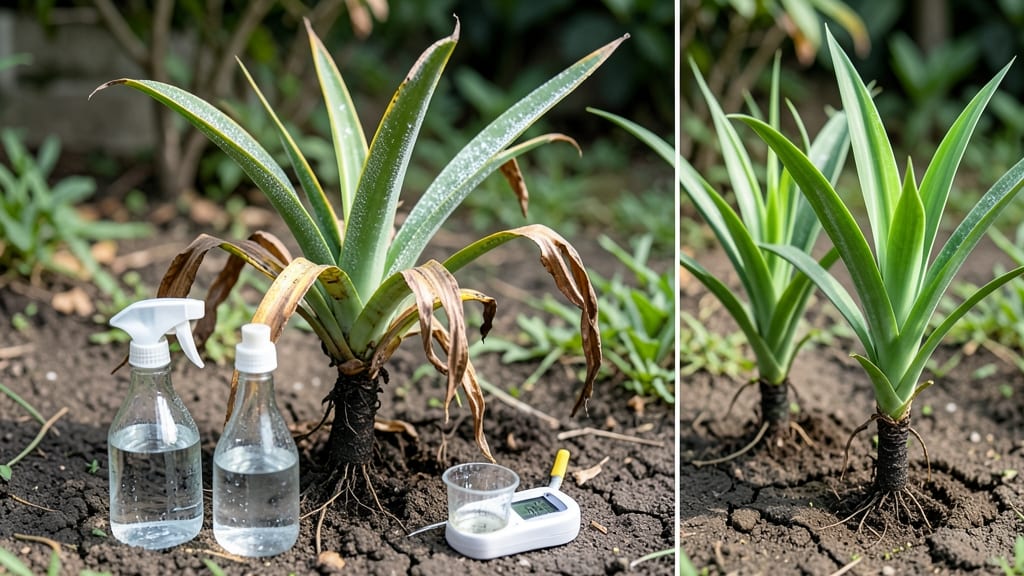
Your dying Dracaena plant's drooping leaves and mushy stems scream one problem: root rot—and the good news is we can fix it. 🌱 I've nursed back more Dracaenas than I'd like to admit, and the key is acting fast before the roots turn to mush.
This isn't a death sentence—it's a wake-up call for your watering habits.
The classic signs are unmistakable: yellow leaves, brown tips, and stems that feel soft when you squeeze them. Most people overwater without realizing it—Dracaenas need soil to dry out completely between waterings.
Grab a moisture meter or stick your finger in: if it's damp past 1-2 inches, that's your culprit. Root rot thrives in soggy conditions, and once it starts, it spreads fast.
Here's where the rescue begins: trim away any black, mushy roots with sterilized scissors, repot in fresh, well-draining soil, and cut back on watering to every 2-3 weeks. Place it in bright, indirect light and avoid letting it sit in saucers of water.
Within 4-6 weeks, you'll see new growth pushing through—proof your plant is fighting back.
Prevention is simpler than you think: water only when the top 2 inches of soil are bone-dry, use pots with drainage holes, and avoid letting your Dracaena sit in cold drafts. These plants are tough once they're healthy—don't let overwatering be their downfall. You've got this!
Root Causes Behind Dracaena Decline
Your Dracaena may look like a resilient tropical beauty, but even these hardy plants can spiral when their care needs aren’t met. Understanding the root causes of decline—literally and figuratively—is the first step to revival.
Below, we break down the science behind why your plant might be fading, from overzealous watering to hidden pests, so you can diagnose and fix the issue fast.
Dracaenas thrive in well-draining soil, but when roots sit in soggy conditions, they suffocate. Root rot—caused by Phytophthora or Pythium fungi—is the #1 killer of indoor Dracaenas. Here’s why it happens:
- Poor drainage: Pots without drainage holes or compacted soil trap excess water, cutting off oxygen to roots. Dracaenas need 60% moisture max—any more, and roots drown.
- Overwatering frequency: Watering on a strict schedule (e.g., every 7 days) is a recipe for disaster. Instead, wait until the top 1–2 inches of soil are dry before watering again.
- Cold or humid conditions: Cool temps (<60°F) slow evaporation, while high humidity (above 60%) prevents soil from drying. This combo = rot paradise.
🔍 How to spot it: Yellowing leaves, mushy stems, or a foul smell from the soil. If you gently tug on the plant and it slides out easily, roots are likely rotting.
Dracaenas are adaptable, but they’re not fans of extreme light conditions. Both sunburn and etiolation (stretchy, weak growth) signal trouble.
- Direct sunlight: Bright, unfiltered light (like a south-facing window) can scorch leaves, causing crispy brown edges. Dracaenas prefer indirect light—think filtered sun or 10–20 feet from a window.
- Low light: Without enough light, leaves lose chlorophyll, turning pale or yellow. The plant stretches (etiolation) as it searches for light, weakening its structure.
💡 Pro tip: Rotate your plant quarter-turn weekly to ensure even growth. If leaves are bleached white or deep green with purple tips, it’s a light issue.
Dracaenas aren’t fussy about soil, but poor-quality mixes or nutrient deficiencies can stall their growth—or worse, kill them.
- Compacted or heavy soil: Clay or garden soil holds too much moisture, suffocating roots. Use a fast-draining mix (e.g., 50% potting soil + 30% perlite + 20% orchid bark).
- Nitrogen deficiency: Yellowing lower leaves (while upper ones stay green) often mean your plant is starving for nitrogen. This happens if you under-fertilize or use a low-nitrogen fertilizer.
- Flouride toxicity: If your tap water has high fluoride (common in some municipal supplies), it can burn root tips over time, causing stunted growth. Use filtered or distilled water if you suspect this.
📊 Soil test hack: Stick your finger in the soil—if it feels slick or clumps together, it’s too dense. Amend with sand or coconut coir to improve aeration.
Tiny invaders can wreak havoc on your Dracaena, often going unnoticed until it’s too late. Here’s what to watch for:
- Spider mites: These microscopic pests thrive in dry, warm conditions and suck sap from leaves, causing yellow stippling or webbing. They multiply fast—check the undersides of leaves with a magnifying glass.
- Scale insects: These brown, armored pests attach to stems and leaves, draining the plant. Infested areas turn sticky (from honeydew) and may drop prematurely.
- Fungal infections: Powdery mildew (white fuzzy coating) or leaf spot (brown patches) thrive in humid, stagnant air. Improve airflow with a small fan or prune crowded foliage.
🔥 Emergency action: Isolate the plant, wipe leaves with neem oil or insecticidal soap, and increase humidity temporarily (if fungal) with a pebble tray.
Dracaenas prefer stable conditions, but sudden changes can shock them into decline.
- Cold drafts: Temperatures below 55°F can cause leaf drop or brown tips. Avoid placing near AC vents, doors, or windows in winter.
- Low humidity: Air drier than 40% causes crispy leaf edges. Mist leaves weekly or use a humidifier nearby.
- Heat stress: Temps above 85°F can scorch leaves, especially with low humidity. Move to a shadier, cooler spot in summer.
✨ Humidity boost: Group plants together to create a microclimate or place the pot on a tray of wet pebbles (ensure the pot isn’t sitting in water).
Revive Your Dracaena Fast
A drooping, yellowing, or mushy dracaena doesn’t mean it’s game over—most issues have quick fixes if you act fast! Below, we’ve mapped the most common causes of a struggling dracaena to easy, step-by-step solutions, plus pro tips to keep your plant thriving.
Think of this as your plant’s emergency room: diagnose, treat, and prevent.
Signs: Yellow/brown leaves, mushy stems, foul-smelling soil, or a plant that wobbles like it’s drunk.
🔥 Step 1: Emergency Drainage
- Remove the plant from its pot and gently shake off excess soil to expose the roots.
- Trim the rot with sterilized scissors (cut away black, mushy roots—healthy roots are firm and white).
- Repot in fresh soil—use a pot with drainage holes and a mix of cactus/succulent soil + perlite (50/50) to improve aeration.
👨🍳 Step 2: Adjust Your Watering Habits
- Let the top 2–3 inches of soil dry out before watering again. Stick your finger in the soil—if it’s damp, wait!
- Water deeply but less often: Dracaenas hate soggy feet.
Aim for every 1–2 weeks (adjust based on humidity/climate). - Use a moisture meter if you’re a chronic overwaterer—it takes the guesswork out.
💡 Prevention Tips
- Upgrade your pot: Terracotta pots dry out faster than plastic.
- Mulch the soil with a thin layer of pebbles to reduce evaporation and overwatering.
- Check humidity: If your home is dry, mist the leaves occasionally (but avoid soggy soil).
Signs: Crispy, brown leaf tips, dry soil that pulls away from the pot edges, or a plant that feels lightweight.
🥘 Step 1: Hydrate Properly
- Soak the roots: Place the pot in a shallow tray of water for 10–15 minutes until the soil is evenly moist (not soggy).
- Bottom-water occasionally: Instead of top-watering, set the pot in an inch of water for 30 minutes to encourage deep root absorption.
🌡️ Step 2: Boost Humidity
Dracaenas love 40–60% humidity. Try:
- A pebble tray (fill a tray with water and pebbles, place the pot on top).
- A humidifier near the plant.
- Grouping plants together to create a microclimate.
✨ Prevention Tips
- Water in the morning so leaves dry overnight, reducing fungal risks.
- Use room-temperature water—cold water shocks roots.
- Group with other plants to increase ambient moisture.
Signs: Leggy growth (long, weak stems), pale or yellow leaves, or leaves curling inward.
🔪 Step 1: Find the Sweet Spot
Dracaenas thrive in bright, indirect light (think: near a north or east-facing window).
- Too little light? Move it closer to a window or use a grow light (12–14 hours/day).
- Too much direct sun? Filter light with a sheer curtain—burnt spots appear as crispy brown patches.
🎯 Step 2: Rotate for Even Growth
Turn the pot quarter-turn weekly so all sides get equal light exposure. This prevents lopsided growth.
💡 Prevention Tips
- Avoid drafts (AC vents, heaters) near the plant—temperature swings stress it.
- Wipe leaves monthly with a damp cloth to help them absorb light.
- Fertilize lightly in spring/summer (diluted balanced fertilizer every 6–8 weeks).
Signs: Sticky residue on leaves, tiny webs, or white/crawly bugs (spider mites, mealybugs, scale).
🔪 Step 1: Isolate & Inspect
- Quarantine the plant to prevent spreading.
- Check undersides of leaves and leaf axils (where leaves meet the stem) for pests.
🧼 Step 2: Treat Naturally
- Neem oil spray: Mix 1 tsp neem oil + 1 tsp mild soap in 1 quart water.
Spray leaves every 5–7 days until pests vanish. - Rub off pests: For mealybugs, dab a cotton swab dipped in 70% isopropyl alcohol on each bug. - Introduce beneficial insects: Ladybugs or lacewings eat spider mites naturally.
💡 Prevention Tips
- Quarantine new plants for 2 weeks before introducing them to your collection.
- Inspect leaves weekly—early detection = easier treatment.
- Avoid over-fertilizing, which attracts pests.
Need a cheat sheet? Here’s how to diagnose and act:
| Symptom | Likely Cause | Fix It Fast | Prevent It |
|---|---|---|---|
| Mushy stems, foul smell | Root rot | Trim rot, repot, reduce water | Use well-draining soil + terracotta pot |
| Crispy brown edges | Underwatering | Soak roots, boost humidity | Water when top 2" soil is dry |
| Leggy, weak growth | Low light | Move to brighter spot, use grow light | Rotate plant weekly |
| Sticky leaves, webs | Pests | Neem oil spray, isolate plant | Quarantine new plants |
Remember: Dracaenas are tough! Even if yours looks sad now, 90% of the time, it’s fixable with the right care. Start with one solution, monitor for 2 weeks, and adjust as needed. Your dracaena will be back to its lush, happy self in no time. 🌿✨
Frequently asked questions
Why are my Dracaena leaves turning yellow?
Yellow leaves usually signal overwatering or root rot. Check the soil—if it's damp past 1-2 inches, you're watering too often. Dracaenas need soil to dry completely between waterings. Trim any black, mushy roots and repot in fresh, well-draining soil.
Can I save a Dracaena with brown, crispy tips?
Crispy brown tips mean low humidity or underwatering. Boost humidity with a pebble tray or humidifier, and soak the roots for 10-15 minutes in water. Avoid using cold water—always use room temperature. This should revive the tips within a few weeks.
How often should I water my Dracaena?
Water only when the top 2 inches of soil are completely dry—typically every 2-3 weeks. Use your finger to test moisture levels. Terracotta pots dry faster than plastic, so adjust accordingly. Never let your Dracaena sit in saucers of water.
What's the best light for a dying Dracaena?
Dracaenas need bright, indirect light—like near an east or north window. Avoid direct sun (which causes brown patches) or dim corners (which lead to leggy growth). If your plant looks stretched, it needs more light. Rotate it weekly for even growth.
Are my Dracaena's brown spots from pests?
Brown spots could be from pests like spider mites or fungal infections. Check leaf undersides for webbing or tiny bugs. Treat with neem oil spray (1 tsp neem + 1 tsp soap per quart of water) every 5-7 days. Isolate the plant to prevent spreading.