
Planting
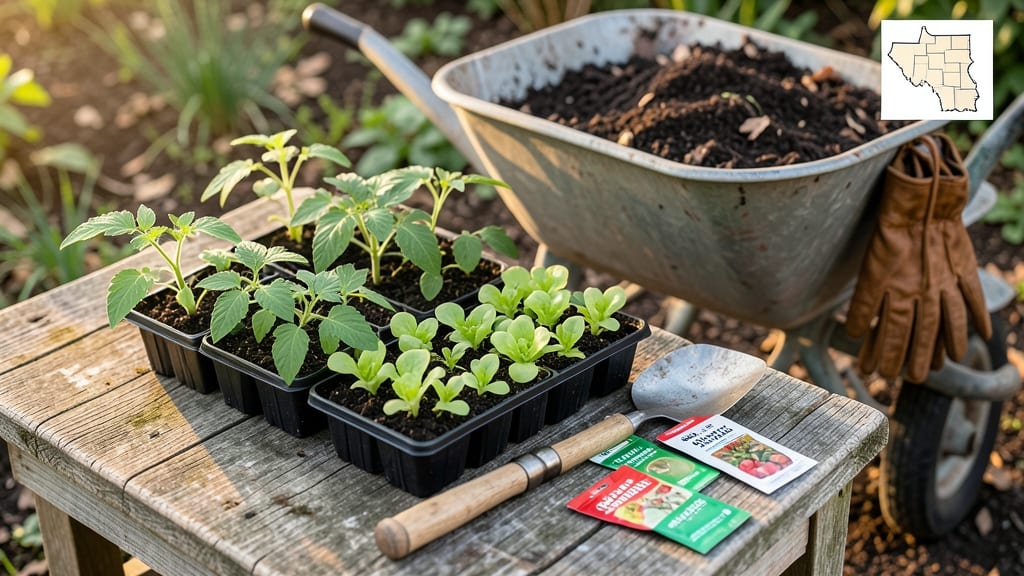
Planting a vegetable garden in Missouri at the right time means the difference between a thriving harvest and wasted effort — especially in zones 5b-6b where frost can strike unexpectedly.
Picture this: you’ve spent hours prepping your soil, only to watch tender seedlings freeze overnight because you planted too early. Or worse, your tomatoes bolt to seed before they ripen because you waited too long.
Missouri’s climate demands precision, and the exact planting window varies wildly between St. Louis and rural areas.
Cool-season crops like lettuce and peas need to hit the ground 4-6 weeks before the last spring frost (usually mid-April), while warm-season favorites like tomatoes and peppers won’t tolerate cold.
But here’s the kicker: even within Missouri, microclimates shift planting dates by weeks. A valley might be ready for beans when a hilltop still has frost in the air.
In this guide, I’ll break down the zone-specific timeline for Missouri’s most popular vegetables, including when to start seeds indoors, transplant outdoors, and use row covers to stretch your growing season.
You’ll also learn how to adjust for late frosts, humidity spikes, and soil warmth — because in Missouri, timing isn’t just about the calendar, it’s about survival.
Missouri planting calendar by season: what to sow when for maximum yield
Missouri’s USDA Zones 5b-7a create a unique gardening challenge, where last spring frosts can arrive as late as mid-April in northern regions, while southern areas may see earlier warm soil by early March.
Understanding these microclimate variations is key to avoiding wasted seeds and maximizing your harvest. Whether you're growing cool-season greens or heat-loving tomatoes, precise timing separates a mediocre garden from a thriving one.
Most Missouri gardeners follow a three-season planting strategy: early spring, summer, and fall. Cool-season crops like lettuce and peas thrive in March-April and September-October, while warm-season staples such as tomatoes and corn need to wait until after the last frost date, typically mid-May.
Even within the state, St. Louis (Zone 6a) has different timing needs than Springs (Zone 7a), where summers arrive earlier.
Before diving into monthly schedules, prioritize soil preparation. Missouri’s clay-heavy soils benefit from compost amendments in fall, while sandy loam areas may need organic matter to retain moisture.
Test your soil pH—most vegetables prefer 6.0-7.0—and adjust with lime or sulfur as needed. Raised beds warm up faster in spring, giving you a 2-3 week head start on planting.
| Season | Crop Type | Planting Window | Key Notes |
|---|---|---|---|
| Early Spring | Cool-Season Crops | Mid-March to Early April | Start seeds indoors 4-6 weeks before last frost. Use row covers for frost protection. |
| Late Spring | Warm-Season Crops | Mid-May to Early June | Wait until soil reaches 60°F+ (use soil thermometer). Transplant seedlings after last frost. |
| Summer | Warm-Season Crops | June to Mid-July | Succession plant fast growers like beans and cucumbers. Mulch to retain moisture. |
| Fall | Cool-Season Crops | Mid-August to Early September | Plant for fall harvest 8-10 weeks before first frost. Use cold frames to extend season. |
| Winter | Cold-Hardy Crops | October-November (under cover) | Grow spinach, kale, or garlic in unheated greenhouses or with thick mulch. |
Let’s break down the month-by-month schedule for Missouri’s most popular vegetables. March is prime time for cold-hardy crops like peas, spinach, and onions. Direct-sow seeds outdoors when soil temperatures hit 40°F, and use cloches or row covers to protect tender seedlings from late frosts.
For warm-season crops, start tomato, pepper, and eggplant seedlings indoors in late March to transplant after the last frost.
By April, focus on transplanting seedlings like broccoli and cabbage, while direct-sowing radishes, lettuce, and carrots. If you’re in Zone 7a, you may even get a head start on early corn varieties. Soil temperature is critical—wait until it reaches 50°F for peas and 60°F for beans.
Use a soil thermometer to avoid delays. May shifts to warm-season planting once nighttime temperatures stay above 55°F. This is when tomatoes, peppers, and squash go in, along with corn and cucumbers.
June through July is all about succession planting and summer maintenance. Fast-growing crops like bush beans, zucchini, and radishes can be sown every 2 weeks to ensure a continuous harvest. Mulch heavily to retain moisture and suppress weeds, especially in Missouri’s hot, humid summers. August marks the transition to fall planting.
Start cool-season crops like kale, Brussels sprouts, and beets 6-8 weeks before the first frost (typically mid-October). Use black plastic mulch to warm soil for late-season tomatoes or peppers.
Missouri’s fall frost dates vary dramatically—northern areas may see frost by October 15, while southern regions can extend harvests until November 1. September is your last chance to plant garlic and onions for next year’s harvest.
For overwintering crops, cover spinach and lettuce with row covers or cold frames to protect them from light frosts. Even in winter, you can grow garlic and hardy greens under low tunnels
Missouri’s best vegetables by planting time: fast-growing vs. long-season crops
Missouri gardeners know timing is everything—especially when pairing fast-growing crops with long-season varieties. Radishes (ready in 30 days) can share space with tomatoes (90+ days), while bush beans (60 days) complement sweet potatoes (120+ days). This strategy maximizes space and extends harvests, even in Missouri’s short growing season.
Northern Missouri (like St. Louis, Zone 6a) has a shorter frost-free window (160-180 days), while southern Missouri (Springs, Zone 7a) enjoys 180-200 days.
Adjust planting times by 2-3 weeks to match your region’s last spring frost (mid-April in north, early April in south) and first fall frost (mid-October in north, late October in south).
For northern Missouri, prioritize early maturing varieties of tomatoes (like ‘Early Girl’) and peppers (like ‘Early California Wonder’). In southern Missouri, you can afford slightly longer-season varieties like ‘Better Boy’ tomatoes or ‘Jupiter’ peppers. Always check seed packets for days to maturity—this is your garden’s roadmap!
Extend your harvests with row covers or cold frames for fall crops like spinach and kale. These tools add 2-4 weeks to your growing season, letting you enjoy fresh veggies well into November. Just remove covers during the day to prevent overheating in Missouri’s humid summers.
Missouri’s humidity and variable weather demand flexibility. If a late frost threatens, opt for heat-tolerant varieties like Malabar spinach or Okra. These thrive in southern Missouri’s heat and can handle brief cold snaps better than traditional crops.
Pro tip: Keep a planting journal to track what works in your microclimate. Note which fast-growers and long-season crops pair well—and which ones fail due to disease or pests. Over time, you’ll refine your schedule for peak harvests every season. 🌱