Planting
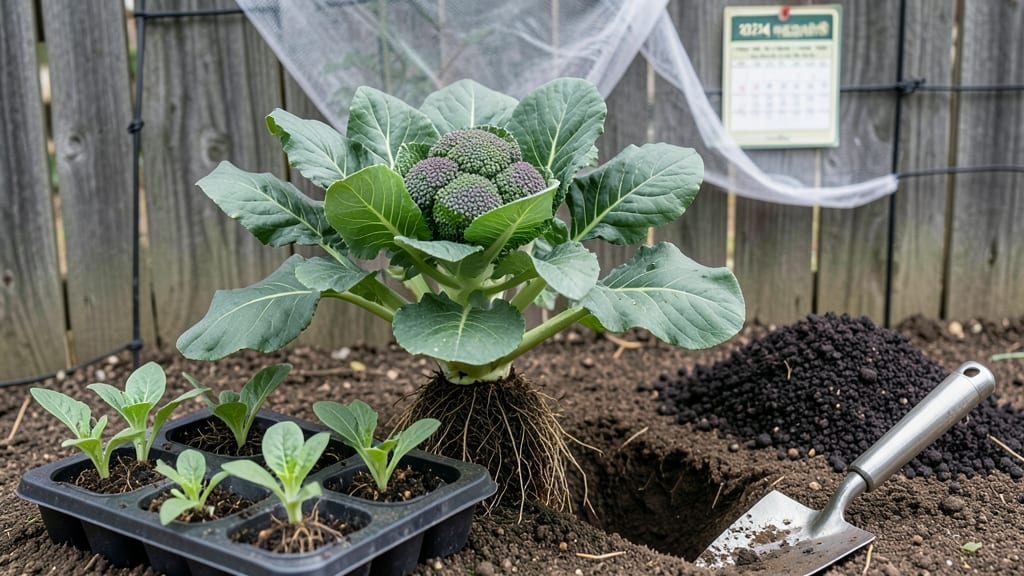
Planting a vegetable garden in northern California at the right time means the difference between a bountiful harvest and a sad, wilted mess.
Northern California’s diverse microclimates—from coastal fog to inland heat—can turn gardening success into a guessing game if you plant at the wrong time. But with the right timing, you can enjoy year-round harvests of crisp lettuce, juicy tomatoes, and fragrant herbs.
The key is knowing your local frost dates and soil conditions. Coastal areas like San Francisco can start planting as early as February, while inland regions like Sacramento wait until March or April to avoid late frosts.
In this guide, I’ll break down the best planting windows for your region, share tips for extending the growing season, and help you avoid common mistakes that waste time and resources.
Northern California planting zones: when to start seeds and transplants by region
Northern California spans USDA Hardiness Zones 7b through 10a, creating dramatic differences in planting windows between coastal and inland areas. The San Francisco Bay Area (Zone 9b-10a) enjoys mild winters, while Sacramento (Zone 9a) and the Central Valley (Zone 9b) experience hotter summers.
Even within 50 miles, frost-free dates can shift by 2-4 weeks, making local knowledge essential.
Coastal regions like Santa Cruz and Marin County often have later spring planting due to persistent marine layer fog, while inland areas like Stockton or Chico can start warm-season crops 3-4 weeks earlier.
Understanding these microclimates helps you avoid frost damage to tomatoes or bolting lettuce from heat stress.
Here’s how to navigate these differences with a region-specific planting guide for seeds and transplants, including cold-hardy vs. heat-sensitive crops that thrive in each zone.
| Region/Zone | Avg. Frost-Free Dates | Cold-Hardy Crops (Start Seeds) | Heat-Sensitive Crops (Transplant) | Key Planting Window |
|---|---|---|---|---|
| San Francisco Bay Area (9b-10a) | Last Frost: Dec 15 First Frost: Jan 15 |
Peas, Kale, Spinach Feb-March |
Tomatoes, Basil, Cucumbers April-May |
Mar 15 - May 15 (Succession plant) |
| Sacramento Valley (9a) | Last Frost: March 1 First Frost: Nov 15 |
Broccoli, Carrots, Lettuce Jan-Feb |
Peppers, Eggplant, Okra April-May |
Feb 15 - June 1 (Extend with row covers) |
| Central Coast (8b-9a) | Last Frost: Feb 15 First Frost: Dec 1 |
Green Beans, Radishes, Onions Jan-March |
Zucchini, Melons, Basil April-June |
Mar 1 - June 10 (Cooler nights slow growth) |
| Northern Mountains (7b) | Last Frost: April 15 First Frost: Oct 15 |
Potatoes, Cabbage, Peas March-April |
Tomatoes, Peppers May-June |
April 15 - July 15 (Short season) |
For coastal areas like San Francisco, the marine layer can delay soil warming, so wait until March to plant heat-loving crops like basil or cucumbers. In contrast, inland Sacramento gardeners can start tomato transplants in April when nighttime temps stay above 50°F.
Always check your local frost-free date—even a 2-week difference can mean the difference between thriving plants and lost investments.
Cold-hardy crops like kale, peas, and broccoli thrive in Zone 7b-9a and can handle light frosts. Start these 6-8 weeks before your last frost date indoors or use row covers for early outdoor sowing.
For heat-sensitive plants like basil and cucumbers, wait until after May 1 in most regions to avoid bolting or poor fruit set.
In Zone 10a areas (e.g., Redwood Coast), you can grow winter crops year-round, but summer heatwaves may require shade cloth for lettuce or drip irrigation to prevent wilting. Use succession planting—sow lettuce every 2 weeks from February to October—to ensure continuous harvests.
Pro tip: Test your soil temperature before planting—most warm-season crops need soil at 60°F+, while cool-season crops prefer 40-50°F. A simple soil thermometer ($10 at garden centers) saves guesswork and wasted seeds.
Local UC Master Gardener programs offer free soil tests and microclimate advice. For example, Santa Clara County recommends black plastic mulch to warm soil for tomatoes in Zone 9b, while Sonoma Coast gardeners use cloche tunnels to extend the growing season by 3-4 weeks.
Remember: Frost dates are averages, not guarantees. Keep frost cloth on hand for late-spring transplants, especially in Zone 7
Microclimate-specific planting calendar: monthly checklist for northern California gardens
Northern California's three distinct microclimates—coastal, Bay Area, and Sacramento Valley—each demand unique planting strategies. The Central Coast enjoys mild winters, while inland areas like Sacramento face hotter summers. By following this month-by-month guide, you'll align your planting with each region's frost dates and seasonal patterns for continuous harvests.
For the Bay Area, last frost typically occurs around March 15, while Sacramento's frost-free date is closer to April 1. Coastal areas can plant cool-season crops like kale and peas as early as September, whereas inland gardens should wait until October to avoid frost damage.
Use this microclimate-specific calendar to plan your succession planting and ensure you're transplanting warm-season crops like tomatoes and peppers when soil temperatures reach 60°F (15°C)—usually late April to early May in most regions.
| Month | Bay Area (Coastal) | Sacramento Valley (Inland) | Central Coast |
|---|---|---|---|
| January | Direct sow: peas, spinach, lettuce; transplant: broccoli, cabbage | Direct sow: peas, spinach, onions; transplant: broccoli, cauliflower | Direct sow: kale, carrots, radishes; transplant: Brussels sprouts |
| February | Direct sow: beets, Swiss chard; transplant: lettuce, kale | Direct sow: lettuce, carrots; transplant: cabbage, celery | Direct sow: peas, lettuce, spinach; transplant: broccoli |
| March | Direct sow: bush beans, corn; transplant: tomatoes (after last frost) | Direct sow: cucumbers, squash; transplant: peppers, eggplants | Direct sow: bush beans, peas; transplant: tomatoes, basil |
| April | Succession plant: lettuce, radishes; transplant: peppers, cucumbers | Succession plant: carrots, beets; transplant: eggplants, basil | Succession plant: spinach, peas; transplant: squash, melons |
| May | Direct sow: green beans, corn; harvest: early peas | Direct sow: okra, southern peas; harvest: lettuce, spinach | Direct sow: green beans, cucumbers; harvest: early peas |
| June | Harvest: tomatoes, peppers; succession plant: fall lettuce | Harvest: early tomatoes; succession plant: fall broccoli | Harvest: cucumbers, squash; succession plant: fall kale |
| September | Direct sow: spinach, peas, radishes for fall harvest | Direct sow: lettuce, carrots, beets for fall/winter | Direct sow: kale, broccoli, cabbage for winter |
Prepare your garden beds in late winter (February-March) by amending soil with compost and aged manure. Coastal gardens benefit from mulching to retain moisture, while inland areas may need drip irrigation to combat summer heat. Always test your soil pH—most vegetables thrive in 6.0-7.0 range.
For continuous harvests, practice succession planting every 2-3 weeks for crops like lettuce, radishes, and beans. In August, begin planting cool-season crops like spinach and peas for fall harvests, using row covers if frost threatens early.
Remember: Northern California's unpredictable weather means flexibility is key. Monitor local frost forecasts and adjust planting dates accordingly—especially for heat-sensitive crops like basil and cucumbers in inland regions.