
Planting
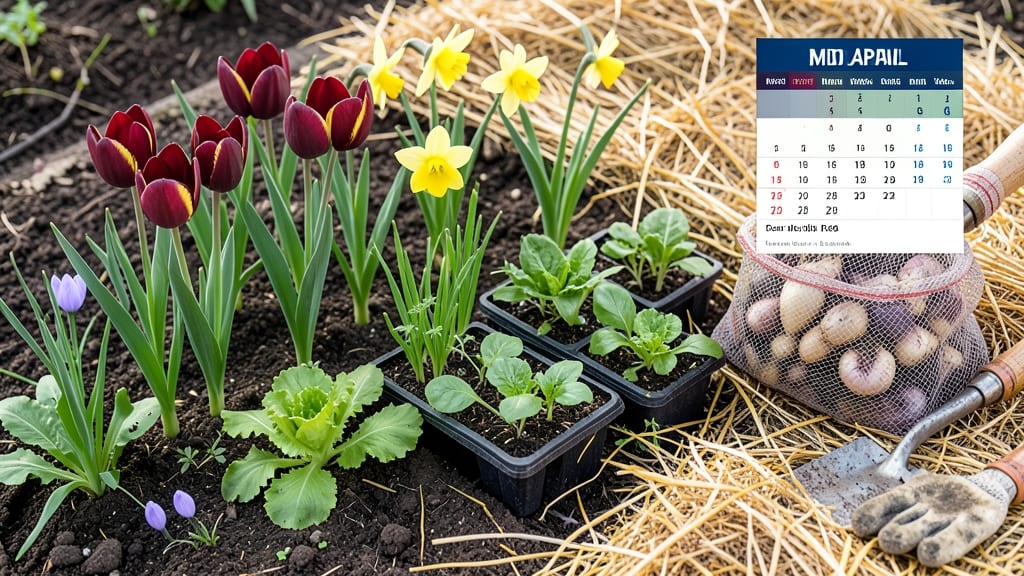
Planting a garden in Missouri at the right time is the difference between a bountiful harvest and a season of frustration.
Missouri’s unpredictable weather can make or break your garden—planting at the wrong time means stunted growth, wasted seeds, or even total crop failure. But with the right frost-free dates by zone and crop type, you can maximize your harvest and avoid common gardening mistakes.
For most of the state in USDA zones 5b-6a, the ideal planting window for cool-season crops like lettuce and peas starts as early as March, while warm-season favorites such as tomatoes and peppers should wait until after the last frost date, typically around April 15.
Below, I break down the best planting times for your Missouri garden, including how to adjust for late frosts, early heatwaves, and the unique challenges of the Show-Me State’s climate.
Missouri frost-free dates by planting Zone: when to start seeds indoors and outdoors
Missouri’s diverse USDA planting zones (5b-7a) create unique challenges and opportunities for gardeners. Knowing your last frost date is critical—plant too early, and frost will kill tender seedlings; too late, and you miss peak harvest times.
The Missouri Climate Center tracks these dates annually, but averages give you a solid starting point.
For Zone 5b (northern MO), the average last frost date falls around April 15, while Zone 7a (southern MO) typically sees its last frost by March 15.
These dates shift slightly each year, so always check local forecasts before planting. Understanding these windows helps you decide when to start seeds indoors versus direct-sowing outdoors.
| USDA Zone | Avg Last Frost | Avg First Frost | Cool-Season Start Indoors | Warm-Season Start Indoors | Outdoor Planting Window |
|---|---|---|---|---|---|
| Zone 5b (North) | April 15 | October 15 | February 15 | March 1 | April 30 - June 1 |
| Zone 6a (Central) | April 1 | October 30 | February 1 | February 28 | April 15 - May 15 |
| Zone 7a (South) | March 15 | November 15 | January 15 | February 15 | March 1 - April 30 |
For cool-season crops like lettuce, peas, and spinach, start seeds indoors 6-8 weeks before your last frost date. In Zone 5b, that means sowing by February 15, while Zone 7a gardeners can begin as early as January 15.
These crops thrive in cooler temperatures and can even handle light frosts, making them ideal for early spring planting.
Warm-season crops like tomatoes, peppers, and cucumbers need a soil temperature of at least 60°F to germinate. Start these indoors 4-6 weeks before your last frost date, so Zone 5b gardeners should begin by March 1, while Zone 7a can start as early as February 15.
Transplant outdoors only after the soil warms and nighttime temperatures stay above 50°F.
Missouri’s humid summers can also impact planting. For fall crops, aim to sow seeds 80-90 days before your first frost. In Zone 5b, that’s around July 15, while Zone 7a can extend planting until August 15.
Fast-maturing varieties like radishes and bush beans work well for late-season gardens.
Use the Missouri Climate Center’s frost predictions to fine-tune your schedule. Their 30-year averages provide a baseline, but checking their annual updates ensures you’re planting at the optimal time.
For example, if their data shows an earlier last frost in your area, you can push your warm-season planting forward by a week or two.
Protect tender seedlings with row covers or cold frames if late frosts threaten. These tools buy you extra time to harden off plants before transplanting. In Zone 5b, where frosts linger later, consider using black plastic mulch to warm the soil faster in spring.
Missouri’s microclimates also play a role. Urban areas may experience 2-3°F warmer temperatures than rural zones, while valleys can trap cold air longer. Observe your garden’s specific conditions for 3-5 years to refine your planting timeline. Over time, you’ll develop a custom schedule tailored to your corner of Missouri.
For perennials and shrubs, timing matters less, but planting in early spring or fall gives roots time to establish before extreme heat or cold. In Zone 6a, for example, April or October are ideal windows for planting roses or fruit trees.
Always keep a gardening journal to track your planting dates, weather conditions, and crop success. This helps you adjust future seasons. With Missouri’s variable climate, flexibility is key—don’t hesitate to extend seasons with season extenders or choose cold-hardy varieties when needed.
Best crops to plant in Missouri by season: spring, summer, fall, and winter options
Missouri’s four distinct seasons create perfect opportunities for gardening year-round. Whether you’re a beginner or seasoned gardener, knowing which cool-season crops thrive in spring and fall—and which warm-season crops love summer’s heat—will transform your harvest.
Missouri’s USDA zones 5b-7a allow for diverse planting, but timing is everything to avoid frost damage or bolting.
Spring is ideal for leafy greens and root vegetables, while summer demands heat-loving plants like tomatoes and peppers. Fall extends the growing season with hardy crops, and even winter offers options for cold-hardy greens.
Let’s break down the best seasonal crops for Missouri gardens, including succession planting tips to keep your harvests flowing.
- 🌱 Cool-season crops: Lettuce, spinach, peas, carrots, radishes, and broccoli. Plant 4-6 weeks before last frost (typically mid-April).
- 🌿 Herbs: Parsley, cilantro, and chives thrive in cooler temps. Start seeds indoors in February for early harvests.
- 🌻 Flowers: Pansies, snapdragons, and sweet peas add color and attract pollinators. Plant after soil warms to 50°F.
- 🌱 Succession tip: Sow radishes every 2 weeks for continuous harvests every 30 days.
- ☀️ Warm-season crops: Tomatoes, peppers, eggplants, and okra need soil temps above 60°F. Plant after last frost (mid-April to early May).
- 🌿 Southern favorites: Sweet potatoes and collard greens thrive in Missouri’s heat. Start seeds after Memorial Day.
- 🌻 Flowers: Marigolds, zinnias, and sunflowers attract pollinators. Plant after frost risk passes.
- 🌱 Succession tip: Plant bush beans every 2 weeks for a steady supply through summer.
- 🌿 Cool-season crops: Kale, Swiss chard, Brussels sprouts, and turnips love fall’s cooler temps. Plant 6-8 weeks before first frost (mid-September).
- 🌱 Garlic and onions: Plant in October for harvests the following summer.
- 🌻 Flowers: Asters, chrysanthemums, and calendulas brighten fall gardens. Plant after summer heat subsides.
- 🌱 Succession tip: Sow spinach every 3 weeks in September for winter harvests.
- ❄️ Cold-hardy crops: Kale, spinach, and lettuce survive light frosts. Use row covers for extra protection.
- 🌱 Perennials: Asparagus and rhubarb can be planted in early spring or fall for long-term harvests.
- 🌿 Herbs: Winter savory and thyme tolerate cold. Plant in containers for easy moving.
Missouri’s humid summers and variable winters mean some crops thrive while others struggle. For example, tomatoes and peppers need consistent warmth, while kale and carrots sweetened by frost. Always check local frost dates—the Missouri Climate Center provides updated forecasts to guide your planting schedule.
Pro tip: Use succession planting to overlap harvests. For instance, plant lettuce every 2 weeks in spring and fall to enjoy fresh greens year-round. Missouri-specific varieties like ‘Missouri Golden’ sweet corn or ‘Kansas City’ tomatoes are bred to handle the state’s climate, ensuring better yields and disease resistance.
With the right seasonal crops and timing, your Missouri garden can be productive 12 months a year. Start with these seasonal guides, and don’t forget to adapt based on your microclimate—whether you’re in the cooler northern hills or the warmer southern plains. Happy planting! 🌱