
Planting
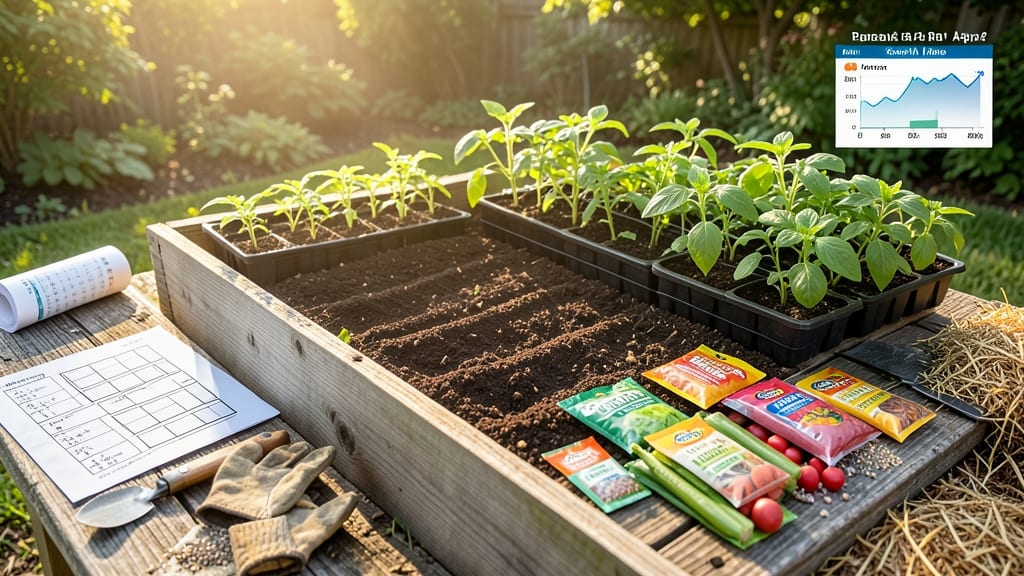
Planting a vegetable garden in Iowa at the right time means the difference between a bountiful harvest and a sad pile of seed packets.
Iowa’s unpredictable frost dates can make or break your garden—plant too early and risk losing your crops, too late and miss peak harvests.
Timing is everything, especially when balancing Iowa’s USDA zones 4a to 5a, where a late spring freeze or early autumn chill can derail even the most careful plans.
Cool-season crops like peas and spinach thrive when soil temperatures hit 40°F, while tomatoes and peppers need to wait until after the last frost—usually mid-April to early May in most of the state.
But what if you’re in northern Iowa? Those dates shift by weeks, and skipping soil prep or hardiness checks can turn your garden into a science experiment you don’t want to repeat.
In this guide, I’ll walk you through exact planting windows by crop type, how to adjust for early or late starts, and the one trick that lets you squeeze an extra month of growing into Iowa’s short season.
Iowa’s frost dates by planting zone: critical timelines for success
Understanding Iowa’s frost dates is the foundation of a successful vegetable garden. With USDA zones 4a to 5a, your planting window can shift dramatically depending on location. In northern Iowa (zone 4a), expect 100-120 frost-free days, while southern Iowa (zone 5a) enjoys 140-160 days.
These differences mean the margin between success and failure is razor-thin.
Last spring frost dates typically range from mid-April to early May, with northern areas playing catch-up. First fall frosts arrive between mid-September and early October, forcing gardeners to work quickly. Using these timelines, you can align your planting schedule with your zone’s unique climate patterns.
Here’s a quick reference for Iowa’s average frost dates by zone, including the critical last frost windows that determine when to plant warm-season crops like tomatoes and peppers.
| USDA Zone | Last Spring Frost | First Fall Frost | Frost-Free Days | Planting Adjustments |
|---|---|---|---|---|
| Zone 4a (Northern IA) | Mid-May | Early October | 100-120 days | Use row covers, cold frames, and fast-maturing varieties. |
| Zone 4b (Central-Northern IA) | Late April | Mid-October | 120-140 days | Start warm-season crops after May 15; extend season with black plastic mulch. |
| Zone 5a (Southern IA) | Early May | Late September | 140-160 days | Plant early varieties in April; succession plant for continuous harvests. |
For gardeners in zone 4a, where frost lingers longer, I recommend starting cool-season crops like spinach and peas indoors in March. Transplant them outdoors once soil temperatures hit 40°F—typically by late April.
In zone 5a, you can push the envelope by planting warm-season crops like tomatoes and cucumbers as early as late April, using black plastic mulch to warm the soil faster.
Heat zones also play a role in Iowa’s planting success. Southern Iowa’s zone 7 heat (common in areas like Ottumwa) allows for longer growing seasons, while northern zones like zone 6 heat (Des Moines area) require earlier starts. Always check your local heat zone map to fine-tune your schedule.
Adjusting for early vs. late varieties is another key strategy. Early varieties of corn and beans can tolerate cooler soils, while late varieties thrive in the extended heat of summer.
For example, plant ‘Early Sunglow’ corn (65-day variety) in late April, but save ‘Silver Queen’ corn (110 days) for late May or early June.
Don’t overlook microclimates—your garden’s location matters. South-facing plots warm up faster, while shaded areas stay cooler longer. Use these microclimates to your advantage by planting heat-loving crops like peppers and eggplants in the sunniest spots, even if they’re a week behind schedule.
Finally, keep a frost watch using resources like the National Weather Service or local agricultural extensions. A late frost in May can devastate young tomato plants, while an early September frost might save you from rushing to harvest your zucchini and squash too soon.
By mastering these frost date timelines and adjusting for your specific zone, you’ll transform guesswork into a reliable gardening strategy. Happy planting! 🌱
Best vegetables to plant in Iowa by month: a seasonal planting guide
Iowa’s growing season is short but productive when you align your planting schedule with the monthly temperature shifts and frost-free windows. Start with cold-hardy crops like peas and spinach in early spring, then transition to heat-loving vegetables like tomatoes and peppers by June.
The key is balancing early-season starters with late-summer succession plants to maximize your harvest.
For USDA zones 4a-5a, the average last frost date falls between mid-April and early May, while the first frost typically arrives in late October to early November. Use this timeline to plan your month-by-month planting schedule, ensuring each crop gets the right conditions for optimal growth.
Whether you're a beginner or a seasoned gardener, this guide will help you avoid common planting mistakes and extend your harvest season.
For spring planting, focus on cool-season crops like peas, spinach, and lettuce. These vegetables thrive in 40-60°F soil temperatures and can even handle light frosts.
Start seeds indoors in late February for a head start, then transplant outdoors once the soil warms. Succession planting is key for crops like beans and lettuce—sow new seeds every 2-3 weeks to ensure a steady supply.
As summer arrives, shift to warm-season crops such as tomatoes, peppers, and corn. These plants need consistent soil temperatures above 60°F and at least 6 hours of sunlight daily.
Use black plastic mulch to warm the soil faster in cooler zones like 4a. Row covers can also protect tender seedlings from late spring frosts, giving you an earlier harvest window.
Don’t overlook fall planting—it’s your chance to grow cool-season crops again before winter.
Try kale, carrots, or radishes in August for a harvest before the first frost. Extend your season with cold frames or low tunnels, which can push harvests into late November or December in zone 5a. With the right planning, you can enjoy fresh vegetables well into Iowa’s winter months.
Pro tip: Keep a gardening journal to track your planting dates and note any adjustments for future seasons. Iowa’s climate varies year to year, so adapt your schedule based on your local frost dates and weather patterns. Happy planting! 🌱