
Planting
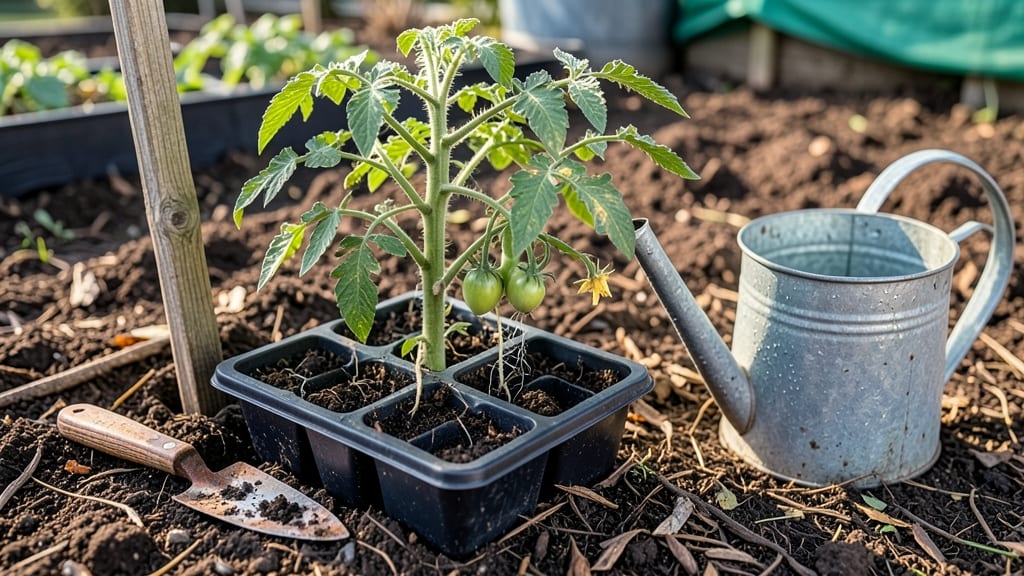
Transplanted tomatoes wilting after moving them outside? 🌱 You're not alone—this is the #1 post-transplant crisis, but the fix is faster than you think. I've nursed dozens of drooping plants back to health using these same steps, and within 24 hours, they're standing tall again.
The real culprits are usually root shock (damaged roots struggling to drink) or overwatering (soggy soil suffocating roots). Even a slight temperature swing can trigger wilting—tomatoes hate sudden changes. The good news? You can reverse this in minutes with the right moves.
Start by giving plants a deep drink (water until it runs out the bottom), then trim any wilted leaves—this helps the plant focus energy on recovery. Prop them up with stakes or sticks if they're too weak to stand, and keep them in partial shade for the first 2-3 days.
Once they perk up, gradually reintroduce sun and watch them bounce back. The key is patience and consistency—most plants recover fully within 3-5 days if you follow these steps. Here's exactly what to do next.
Root of the Problem
Transplanted tomatoes may look like they’re throwing a dramatic fit, but wilting is usually their way of saying, "Something’s not right down here!" 🌱💦 The issue often boils down to stress, improper handling, or environmental mismatches.
Let’s break down the real culprits behind those sad, droopy leaves—and how to fix them fast.
When you uproot tomatoes, even carefully, their delicate root systems get damaged. Root hairs—tiny, hair-like structures that absorb water and nutrients—get torn or bruised, disrupting the plant’s ability to hydrate itself.
This is called transplant shock, and it’s like pulling out a straw from a glass of water: suddenly, the plant can’t drink enough to stay plump.
Why it happens:
- Root disturbance: Digging too deep or circling roots (a common mistake) cuts off oxygen flow.
- Delayed replanting: Letting roots dry out before transplanting (even for 30 minutes) can seal off root tips.
- Soil trauma: Compacted or rocky soil restricts root growth, making recovery harder.
💡 Pro Tip: Soak roots in water for 10–15 minutes before transplanting to revive them. Use a root stimulator (like mycorrhizal fungi) to encourage faster regrowth.
Wilting often starts with too much or too little water—both are deadly for transplants. Tomatoes are 95% water, and a sudden imbalance throws their turgor pressure (the internal water pressure that keeps stems rigid) out of whack.
Why it happens:
- Overwatering: Soggy soil suffocates roots by blocking oxygen. Roots rot, and the plant can’t absorb water—even if the soil looks wet.
- Underwatering: Dry soil pulls moisture from leaves first, causing them to wilt before roots suffer.
- Inconsistent moisture: Skipping watering days after transplanting can dehydrate roots before they re-establish.
🌡️ Quick Fix: Water deeply (1–2 inches into soil) every 2–3 days after transplanting. Use a moisture meter to check—aim for 60–70% soil moisture in the root zone.
Tomatoes are sun worshippers and temperature-sensitive. If the new spot doesn’t match their old home’s conditions, they’ll wilt faster than a snowman in July. 🌞❄️
Why it happens:
- Sudden heat/cold: Moving from a greenhouse (cooler, humid) to a scorching garden bed causes transpiration stress (water loss through leaves outpaces absorption).
- Wind exposure: Drying winds increase evaporation, making leaves lose moisture like a sponge in a hurricane.
- Poor drainage: Clay-heavy or low-lying soil traps water, leading to root suffocation and wilting.
✨ Solution: Acclimate plants to outdoor conditions over 3–5 days (harden off). Use shade cloth for the first week if temps exceed 85°F (29°C). Mulch with straw or wood chips to retain moisture and regulate soil temp.
Wilting can also signal a hunger strike—tomatoes need nitrogen (N), potassium (K), and phosphorus (P) to thrive. If soil lacks these, roots weaken, and the plant can’t support its own weight.
Why it happens:
- Nitrogen deficiency: Leads to yellowing leaves (chlorosis) and weak stems. Common in sandy or over-fertilized soils.
- Potassium shortage: Causes edge browning on leaves and poor root development.
- Over-fertilizing: Too much salt (from synthetic fertilizers) burns roots, preventing water uptake.
📊 Fix It Fast:
- Test soil pH (aim for 6.0–6.8). Tomatoes hate acidic or alkaline extremes.
- Side-dress with compost or balanced fertilizer (10-10-10) 2 weeks after transplanting.
- Avoid fresh manure—it can scorch roots. Use aged compost instead.
Hidden critters or pathogens can chew roots or clog pores, cutting off water flow. Look for wilting that spreads unevenly or chewed stems—this is a red flag.
Why it happens:
- Root maggots or cutworms: Munch on roots, leaving them unable to absorb water.
- Fungal infections (Fusarium, Verticillium): Block xylem vessels (the plant’s "straws") so water can’t travel upward.
- Aphids or spider mites: Sap-sucking pests weaken leaves, causing them to droop.
🔥 Act Now:
- Inspect roots for slime, holes, or discoloration when replanting.
- Treat soil with neem oil or beneficial nematodes to deter pests.
- Solarize soil (cover with plastic for 4–6 weeks) to kill fungal spores before planting.
Revive Your Tomatoes Fast
When your transplanted tomatoes start wilting, the good news is most issues have quick fixes—often within minutes or hours! The key is identifying the root cause and acting fast.
Below, we’ve mapped out practical, step-by-step solutions for the most common reasons behind wilting, plus prevention tips to keep your plants thriving long-term.
Fix: Let the soil dry out slightly before watering again. If the roots are waterlogged, act fast!
- Stop watering immediately—soggy soil suffocates roots.
- Check drainage—if water pools in the pot or garden bed, add perlite or sand to improve airflow.
- Repot if needed—if the container has no drainage holes, transplant to a well-draining pot.
- Water deeply but less often—tomatoes prefer 1–1.5 inches of water per week, delivered at the base (not overhead).
✨ Prevention Tip: Use self-watering pots or drip irrigation to avoid overwatering.
Fix: Shield your plants from intense afternoon sun while they recover.
- Provide afternoon shade—use a light shade cloth (30–50%) or move potted tomatoes to a spot with dappled sunlight.
- Mulch the soil—a 2–3 inch layer of straw or wood chips keeps roots cool.
- Water in the early morning—this gives roots time to absorb moisture before the heat peaks.
- Avoid fertilizing under stress—wait until wilting stops before adding nutrients.
💡 Pro Tip: If leaves look bleached or crispy, they’re sunburned—trim damaged foliage to help the plant focus on recovery.
Fix: Help your tomatoes adjust to their new home with these gentle recovery steps.
- Water thoroughly at transplant—this kickstarts root growth in the new soil.
- Avoid fertilizing for 1–2 weeks—roots need time to establish before absorbing nutrients.
- Stake or cage immediately—wilting can worsen without support; use soft ties to prevent stem damage.
- Use a root stimulator (optional)—dip roots in water + a pinch of honey or seaweed extract before replanting.
🌡️ Prevention Tip: Hardening off seedlings (acclimating them to outdoor conditions over 5–7 days) reduces shock.
Fix: Isolate the plant and treat the issue before it spreads.
| Problem | Solution |
|---|---|
| Aphids/Spider Mites | Spray with neem oil or soapy water (1 tsp mild soap per quart of water). |
| Fungal Wilting | Remove infected leaves, improve airflow, and apply copper fungicide. |
| Root-Knot Nematodes | Solarize soil (cover with clear plastic for 4–6 weeks) or use marigolds as a trap crop. |
🔥 Emergency Fix: If wilting is severe, prune back damaged leaves to redirect energy to healthy growth.
Fix: Balance soil health with these targeted adjustments.
- For yellow leaves (nitrogen deficiency):
- Add compost or a balanced fertilizer (10-10-10).
- Avoid over-fertilizing—more isn’t better!
- For stunted growth (phosphorus deficiency):
- Mix bone meal into the soil at planting.
- For brown edges (potassium deficiency):
- Use wood ash or a banana peel tea (steep peels in water for 24 hours).
🎯 Prevention Tip: Test soil pH (aim for 6.0–6.8)—tomatoes hate acidic or alkaline extremes.
If your tomatoes are completely limp, blackened, or mushy at the base, the roots may be beyond saving.
- Dig up the plant—check for black, smelly roots (sign of rot).
- If roots are salvageable: - Trim healthy green roots, dip in hydrogen peroxide (3%), and repot in fresh, sterile soil.
- If roots are dead: - Start fresh with a new transplant and adjust care to prevent repeat issues.
- Water deeply (if soil is dry).
- Trim dead leaves to reduce stress.
- Move to shade if sunburned.
- Check soil moisture—stick your finger 1 inch deep; if dry, water.
- Wait 24 hours before fertilizing—stressed plants need rest!
Remember: Most wilting tomatoes bounce back in 1–3 days with the right care. The faster you act, the quicker your plants will recover! 🍅💪
Frequently asked questions
Why do my transplanted tomatoes wilt even after watering them?
Wilting after watering usually means root shock or overwatering. Damaged roots can't absorb moisture fast enough, while soggy soil suffocates them. Check if the soil stays wet for more than 24 hours—if so, reduce watering and improve drainage with perlite or sand.
How long should I wait before fertilizing wilting tomato plants?
Wait 10–14 days after transplanting before adding fertilizer. Stressed plants need time to recover roots first. If you must feed them sooner, use a diluted seaweed extract (half-strength) to provide gentle nutrients without burning.
Can I save a tomato plant that's completely limp and mushy at the base?
It depends! Dig up the plant and check the roots—if they're black or smelly, root rot has set in and the plant is likely unsalvageable. However, if roots are mostly firm and green, trim the damaged parts, dip in hydrogen peroxide (3%), and repot in fresh soil.
What's the best way to harden off tomato seedlings before transplanting?
Gradually expose seedlings to outdoor conditions over 5–7 days. Start with 1–2 hours of sunlight daily, then increase by 1 hour each day. Avoid direct afternoon sun and bring them inside at night. This mimics natural conditions and reduces transplant shock.
Why do some tomato leaves wilt while others stay firm?
Uneven wilting often signals pest infestation or nutrient deficiency. Check for aphids or spider mites on undersides of leaves. If no pests, yellowing lower leaves may indicate nitrogen deficiency, while crispy edges suggest potassium shortage. Test soil pH and amend as needed.