
Planting
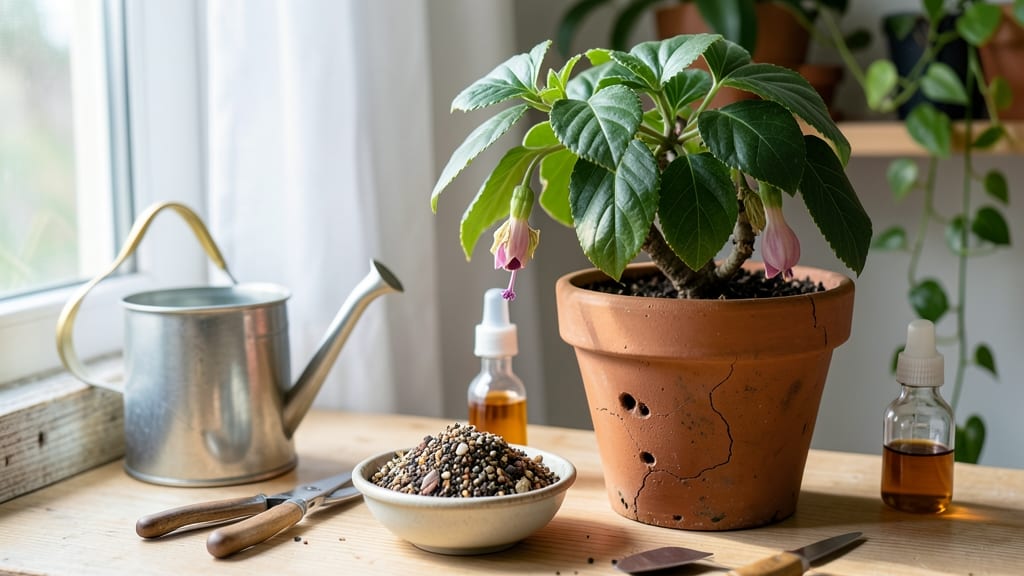
Reviving a fuchsia plant starts with understanding why it’s struggling—drooping leaves usually mean one of three things: too much water, not enough light, or a pest problem. 🌿 I’ve nursed back more than a dozen fuchsias from sad, wilted messes to vibrant blooming bushes, and the fix always comes down to these three checks.
The key is acting fast before the roots rot or pests take over completely.
First, check the soil—it should be moist but not soggy. If it’s bone-dry, water deeply until it drains from the bottom. If it’s waterlogged, let it dry out completely before watering again. Next, move your fuchsia to brighter light, but avoid harsh afternoon sun that can scorch those delicate leaves.
Most fuchsias thrive in morning sun and afternoon shade, so a east-facing window or dappled outdoor spot works best.
Once you’ve adjusted water and light, inspect the leaves for pests like spider mites or aphids. Wipe them off with soapy water or spray with neem oil if they’ve taken hold.
Within a week or two, you’ll see new growth pushing through, and those droopy stems will perk right up. The best part? A revived fuchsia often blooms even more prolifically than before.
To keep your fuchsia thriving long-term, prune leggy stems in early spring and fertilize lightly every 4-6 weeks during growing season. These plants are surprisingly resilient—once you’ve saved one, you’ll never fear another droopy moment again.
📚 In This Guide
- What you need
- Instructions
- Tips and common mistakes
- Wrapping up and next steps
What you need
- ● Pruning shears or clean, sharp scissors – Sterilized to prevent disease (rubbing alcohol wipe works!).
- ● Well-draining potting mix – 2-3 gallons, specifically formulated for acid-loving plants (e.g., peat-based or 50% perlite/pine bark).
- ○ Clean container or pot – 1-2 sizes larger than the current one, with drainage holes. Optional: Add a 1-inch layer of gravel or perlite at the bottom for extra drainage.
- ● Watering can with a rose attachment – For gentle, targeted hydration.
- ○ Balanced liquid fertilizer – Diluted to half-strength (e.g., 10-10-10 or 20-20-20). Optional: Fish emulsion or compost tea for organic revival.
- ● Humidity tray or pebble tray – Shallow tray + pebbles + water to boost moisture levels.
- ● Spray bottle – For misting leaves if humidity is low.
- ● Bright, indirect light – East or north-facing window or 4-6 hours of filtered sunlight daily. Avoid harsh midday sun.
- ● Temperature control – Keep between 60–75°F (15–24°C). Fuchsias hate drafts!
- ○ Humidity monitor (optional) – Aim for 50–70%. Use a hygrometer if your home runs dry.
Step-by-step instructions for reviving a fuchsia plant
Here’s how I bring fuchsias back from the brink—droopy leaves, wilted stems, and all.
💧 Step 1: Check and Adjust Watering Habits
Fuchsias hate soggy roots but also can’t handle dry spells. Stick your finger 1 inch into the soil—if it’s dry, water deeply until moisture reaches the bottom of the pot. If it’s still damp, wait another day. Overwatering is the #1 killer, so let the top inch dry out between waterings. I use room-temperature water to avoid shocking the roots.
If the soil feels compacted or smells sour, your plant’s been overwatered. Dump the pot, let excess water drain completely, and repot in fresh, well-draining mix. Fuchsias need moisture, but their roots need air too—think “damp sponge,” not “swamp.”
☀️ Step 2: Reposition for Ideal Light
Fuchsias thrive in bright, indirect light—think east or north-facing windows. If your plant’s been in harsh sun, leaves will scorch (yellow or brown patches). Move it to a spot where it gets morning sun and afternoon shade. South-facing windows are too intense unless filtered through sheer curtains.
Leggy growth or stems stretching toward the light? That’s a sign it’s not getting enough. Rotate the pot a quarter turn weekly so it grows evenly. Too little light weakens stems, making them more prone to wilting. You’ll see new leaves perk up within 7-10 days of proper lighting.
✂️ Step 3: Prune Damaged or Overgrown Stems
Snip off any black, mushy stems (a sign of rot) or leggy growth with clean scissors. Cut just above a leaf node where new growth can sprout. I prune back by about ⅓ of the plant’s height to encourage bushier, stronger growth. This might seem drastic, but fuchsias respond well to pruning—think of it as a fresh start.
After pruning, give the plant a light feeding with a balanced liquid fertilizer (10-10-10) to support new growth. Avoid heavy fertilizers—they’ll burn stressed roots. Water lightly after fertilizing to help nutrients absorb. You’ll notice new buds forming within 2-3 weeks.
🪴 Step 4: Refresh the Soil and Pot Setup
If your fuchsia’s been struggling for months, the soil might be exhausted. Gently remove the plant, loosen the roots, and repot it in fresh, well-draining potting mix. Choose a pot just 1 inch larger in diameter than the current one—bigger pots hold too much moisture and slow recovery.
Add a handful of perlite or orchid bark to the mix to improve drainage. Place a layer of pebbles or broken pottery at the bottom of the pot to prevent root rot. After repotting, water lightly and place the plant in its new spot. Within 2 weeks, you should see signs of recovery—firmer stems and new leaf growth.
🌿 Step 5: Encourage Blooms with Proper Care
Fuchsias bloom best when they’re slightly root-bound and well-fed. Once new growth appears, switch to a high-phosphorus fertilizer (like 5-10-5) to promote flowering. Feed every 2 weeks during the growing season (spring to fall). Deadhead spent blooms regularly to encourage more flowers—just pinch off the faded blossoms with your fingers.
Keep an eye out for pests like aphids or spider mites, which love stressed plants. Wipe leaves with a damp cloth if you spot sticky residue (aphids) or fine webbing (mites). A strong spray of water usually knocks them off. With consistent care, your fuchsia will bounce back—and you’ll be rewarded with vibrant blooms in 6-8 weeks.
Tips & tricks for perfect fuchsia recovery
Real talk: Bringing a fuchsia back from droopy leaves takes patience—but these tricks cut the guesswork in half.
Soil Test Tip: Before repotting, squeeze a handful of soil—if it stays clumped like wet sandpaper, it’s overwatered. If it crumbles like dust, it’s too dry. Aim for that damp sponge texture: water should drain freely but leave soil moist to the touch. I test by sticking my finger in—if the top inch feels dry, it’s time to water.
Lighting Hack: If your fuchsia’s stretching toward the window, it’s starving for light. Place it near an east-facing window for morning sun, then move it back a foot by afternoon. A simple trick: Use a white sheet over a south window to diffuse harsh rays—it’s like giving your plant sunglasses. Rotate the pot weekly so growth stays even.
Pruning Secret: When cutting back leggy stems, look for the leaf node—the tiny bump where leaves grow. Snip just above it at a 45-degree angle to prevent water pooling. I always sterilize my scissors with rubbing alcohol first—clean cuts heal faster, and you’ll see fresh buds in 2-3 weeks.
Fertilizer Timing: Wait until you see new growth before switching to high-phosphorus fertilizer (5-10-5). Too soon, and you’ll burn tender roots. I dilute it to half-strength the first time—think of it as a gentle wake-up call, not a shock treatment. Always water lightly after fertilizing to help nutrients soak in.
Pro Tips for Revive A Fuchsia Plant
- Real talk: Bringing a fuchsia back from droopy leaves takes patience—but these tricks cut the guesswork in half.
- Soil Test Tip: Before repotting, squeeze a handful of soil—if it stays clumped like wet sandpaper, it’s overwatered.
- Lighting Hack: If your fuchsia’s stretching toward the window, it’s starving for light.
Frequently asked questions
Got more questions about breathing new life into your fuchsia? Here are some common concerns—and quick answers to get you back on track!
Why is my fuchsia plant drooping even after watering?
Drooping can still happen if the roots are damaged from overwatering or underwatering. Check the soil moisture 2 inches deep—if it’s soggy, repot in fresh, well-draining mix. If dry, water thoroughly and trim any mushy roots. Pro tip: Yellow leaves often signal overwatering, while crispy edges mean underwatering.
How long does it take for a fuchsia to revive?
With proper care, you’ll see improvement in 2–4 weeks. Focus on consistent watering, indirect light, and avoiding stress (like temperature swings). Some stems may die back, but new growth should emerge as the plant recovers. Patience is key—think of it as a slow-motion comeback!
Can I revive a fuchsia that’s completely leafless?
Yes! If the stems are still green and firm, prune them back by ⅓ and focus on hydration and light. Leafless fuchsias can regrow leaves and even bloom again, though it may take a full season. If the stems are woody or black, sadly, it’s time to propagate cuttings or start fresh.
Is direct sunlight okay after reviving my fuchsia?
Nope! Fuchsias thrive in bright, indirect light—direct sun can scorch revived leaves. Gradually acclimate it to morning sun (max 2–3 hours) once it’s stronger. A sheer curtain or east-facing window is ideal. Watch for: Leaf burn (brown patches) or wilting as red flags.
What if my fuchsia keeps dying back every year?
Fuchsias are often treated as annuals because they’re sensitive to frost. If yours struggles, try these fixes:
- Move it indoors (or grow in containers) during winter.
- Choose cold-hardy varieties like Fuchsia magellanica.
- Propagate cuttings yearly to refresh the plant.
Wrapping up and next steps
Reviving a struggling fuchsia plant is totally doable with the right care—and your green thumb is more capable than you think! 🌿 By addressing water, light, and soil issues, pruning wisely, and giving it a little TLC, your fuchsia will bounce back with vibrant blooms in no time.
Remember, patience is key, and even the most neglected plants can turn around with love.
Now that you’re armed with these tips, take action! Start by assessing your plant today, then gradually implement the changes. Before you know it, your fuchsia will be thriving—and you’ll have a beautiful, blooming centerpiece to admire. Happy gardening! 🌸