
Planting
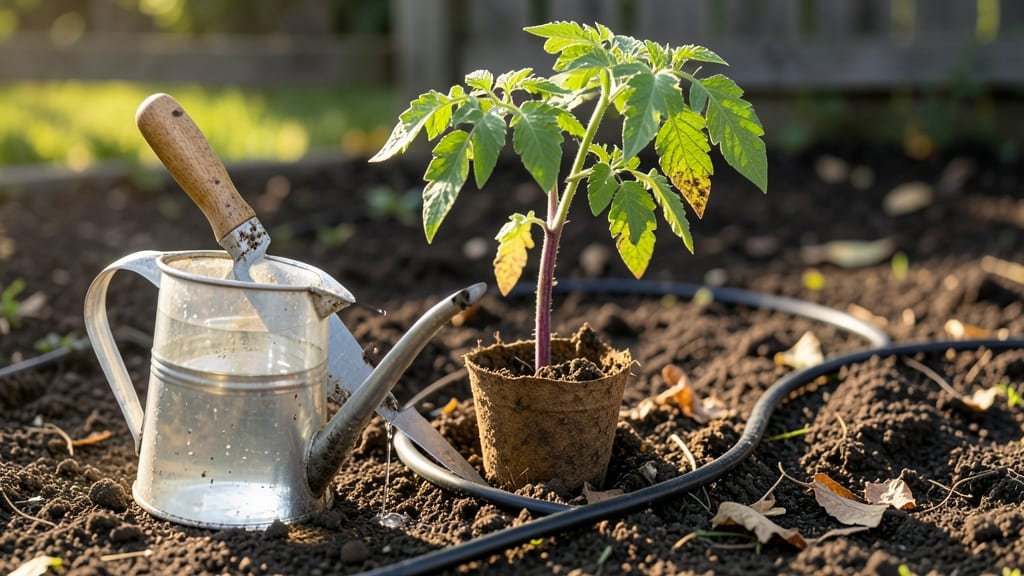
Your newly transplanted plants are wilting because their roots are screaming for help—not from neglect, but from the shock of being uprooted. 🌱 I’ve nursed dozens of plants back from this exact crisis, and the key is treating them like they’ve just had major surgery, not a minor scratch.
The good news? Most plants bounce back within 7-14 days with the right care.
Root shock happens when tiny root hairs get damaged during transplanting, making it hard for plants to absorb water. Overwatering or sudden heat/wind stress can turn wilting into a full-blown crisis. The fix starts with less water, not more—damp soil is enough to revive roots without drowning them.
Prune any crispy leaves to redirect energy, and keep them in dappled shade for a few days to reduce stress.
What you’ll see is a slow but steady recovery: new growth within 5-10 days and full vigor by the third week. The secret weapon? A root-stimulating dip in water before planting—it’s like giving roots a pep talk.
For future transplants, water deeply the day before moving plants, and use moistened burlap to protect roots during transfer.
This works for everything from delicate herbs to tough shrubs, and the same principles apply whether you’re moving containers or dividing perennials. Let’s bring those plants back to life—gently but effectively.
Root Shock Explained: The Hidden Stressor
Transplanting plants is like moving them to a new home—except their roots don’t come with a moving truck. When you uproot a plant, even gently, you disrupt its delicate root system, which is responsible for absorbing water and nutrients.
This disruption triggers root shock, a physiological stress response that can cause wilting within hours or days of transplantation. Let’s break down why this happens and what’s really going on underground.
When roots are disturbed during transplanting, microscopic root hairs and fine feeder roots—the plant’s primary water and nutrient absorbers—get severed or bruised. These tiny structures are highly sensitive and take time to regenerate.
Here’s the science: - Cell membrane disruption: Root cells rely on intact membranes to regulate water uptake via osmosis.
Damaged roots lose this ability, causing water to leak out instead of being absorbed. - Reduced surface area: A healthy root system has a vast surface area for nutrient exchange.
Even minor root loss means fewer "straws" to suck up water, leading to dehydration and wilting. - Hormonal imbalance: Roots produce auxin, a growth hormone that signals the plant to grow new roots. When roots are damaged, auxin levels drop, slowing recovery.
Actionable fix: Use a sharp, clean knife to minimize root damage during transplanting, and avoid pulling plants by the stems.
Wilting after transplanting often stems from water management gone wrong. Plants need a delicate balance—too much or too little water can both trigger stress.
Overwatering: The Drowning Effect
- Oxygen deprivation: Roots need oxygen to respire (breathe).
Compact or waterlogged soil cuts off oxygen, suffocating roots and preventing them from absorbing water efficiently. - Fungal infections: Excess moisture creates the perfect environment for root rot pathogens like Phytophthora or Pythium, which clog root cells and block water uptake. - Salt buildup: If you’re using tap water with high mineral content, overwatering can lead to salt accumulation in the soil, further stressing roots.
Underwatering: The Thirsty Struggle
- Transpiration imbalance: When roots can’t keep up with water demand, leaves continue to lose moisture through stomata (tiny pores), causing wilting.
- Plasmolysis: Root cells lose turgor pressure (internal water pressure) and shrink, collapsing like deflating balloons.
Actionable fix:
- Water deeply but infrequently after transplanting to encourage root growth into the soil.
- Use well-draining soil mixes (e.g., 60% potting soil, 30% perlite, 10% compost) to prevent waterlogging.
- Mulch to retain moisture without suffocating roots.
Plants are sensitive to sudden changes in their environment, and transplanting often means moving them to a new spot with different light intensity, temperature, or wind exposure.
Light Stress
- Sunburn: If a shade-loving plant (e.g., ferns or calatheas) is suddenly exposed to direct sunlight, its leaves can scorch while roots struggle to hydrate the plant.
- Photosynthesis slowdown: Too little light after transplanting reduces the plant’s ability to produce sugars via photosynthesis, weakening its energy reserves.
Temperature Fluctuations
- Cold shock: Moving a warm-climate plant (e.g., succulents or citrus) to a cooler environment can slow metabolic processes, including root recovery.
- Heat stress: High temperatures increase transpiration rates, but if roots aren’t established, the plant wilts faster than it can replenish water.
Actionable fix:
- Acclimate plants gradually to new light conditions (a process called hardening off).
- Avoid transplanting during extreme heat or cold—opt for overcast days or early morning/evening when temperatures are moderate.
- Use shade cloth for the first week if moving to a sunnier spot.
Even healthy-looking plants can wilt if their roots are under siege by hidden invaders introduced during transplanting.
Common Culprits
- Root-knot nematodes: Microscopic worms that burrow into roots, creating galls (lumpy growths) that block water and nutrient flow.
- Fungal infections: Fusarium or Verticillium wilt fungi clog xylem vessels (the plant’s water highways), causing sudden wilting.
- Aphids or mites: While these pests target leaves, they also weaken the plant’s immune system, making recovery harder.
Actionable fix:
- Inspect roots before transplanting—rinse off soil and check for pests or discoloration.
- Use sterilized tools and potting mix to prevent pathogen transfer.
- Apply neem oil or beneficial nematodes as a preventive measure.
Transplanting often means a nutrient shock—plants rely on established root networks to access stored nutrients in the soil.
When uprooted, they may face: - Phosphorus deficiency: Critical for root growth; a lack of it slows regeneration. - Potassium shortage: Helps regulate water balance—without it, roots can’t efficiently absorb moisture. - Micronutrient gaps: Elements like magnesium (for chlorophyll) or iron (for energy production) can be depleted during stress.
Actionable fix:
- Use a balanced, slow-release fertilizer (e.g., 10-10-10 NPK ratio) 2 weeks before and after transplanting.
- Add compost or worm castings to the new soil for a nutrient boost.
- For hydroponic or soilless setups, use a rooting hormone with added nutrients.
If your plant was root-bound (roots circling the pot or densely packed), transplanting can cause:
- Restricted growth: Roots struggle to expand into loose soil, limiting water and nutrient uptake.
- Physical damage: Tangled roots tear when separated, increasing stress.
Actionable fix:
- Gently tease apart roots before planting to encourage outward growth.
- Choose a pot 1-2 inches larger than the current one to give roots room to spread.
- Use loose, aerated soil to reduce resistance for new root growth.
Revive Your Plants Fast
When your transplanted plants are wilting, the good news is that most cases are fixable with targeted care. Below, we’ve mapped out practical solutions for the most common causes—plus prevention tips to keep your greenery thriving long-term.
Signs: Yellowing leaves, soggy soil, or mushrooms growing in the pot. Fix:
- 🔥 Let the Soil Dry Out – Stop watering immediately and allow the top 1–2 inches of soil to dry completely before watering again.
- 🍳 Check Your Pot’s Drainage – If your container has no holes, repot into one with drainage or add a layer of pebbles at the bottom.
- 👨🍳 Adjust Watering Habits – Water only when the topsoil feels dry (stick your finger in—if it’s damp, wait). Use the "finger test" for consistency.
Prevention Tip: 💡 Use well-draining soil mixes (like cactus or succulent blends) and avoid saucers that trap excess water.
Signs: Crispy leaf edges, drooping despite moist soil, or sunburnt patches. Fix:
- 🥘 Move to Indirect Light – Place your plant in a spot with bright, filtered light (east or north-facing windows work best for sensitive species).
- 🌡️ Mist Leaves in Heatwaves – Use room-temperature water to cool leaves and increase humidity (a pebble tray with water underneath helps too).
- ⏰ Gradually Acclimate – If your plant was indoors, slowly introduce it to outdoor conditions over 7–10 days to avoid shock.
Prevention Tip: ✨ Research your plant’s light needs—some (like ferns) thrive in shade, while others (like succulents) need full sun.
Signs: Wilting within 24–48 hours post-transplant, even with proper watering. Fix:
- 🔪 Trim Damaged Roots (If Needed) – Gently inspect roots; snip any black, mushy, or broken ones with sterilized scissors.
- 🍃 Give It a "Recovery Bath" – Soak the roots in room-temperature water + a rooting hormone (like willow water or diluted hydrogen peroxide) for 10–15 minutes to reduce stress.
- 🌱 Keep Conditions Stable – Avoid fertilizing for 2–4 weeks post-transplant; focus on consistent moisture and humidity.
Prevention Tip: 🎯 Transplant on a cloudy day or in the evening to minimize stress. Water before transplanting to reduce root trauma.
Signs: Soft, mushy stems, black spots, or a foul smell. Fix:
- 🔪 Remove Infected Parts – Snip off diseased leaves/stems with clean scissors and dispose of them (don’t compost!).
- 💊 Treat with Fungicide – Spray with neem oil, copper fungicide, or baking soda solution (1 tsp baking soda + 1 quart water + a drop of dish soap).
- 🌡️ Improve Airflow – Space plants apart and avoid overcrowding to prevent future outbreaks.
Prevention Tip: 💡 Sterilize tools with rubbing alcohol between plants, and avoid overhead watering.
- 🍃 Prune Damaged Foliage – Trim wilted or yellow leaves to redirect energy to new growth.
- 🌡️ Boost Humidity – Group plants together or use a humidifier (especially for tropical varieties).
- 💪 Fertilize Lightly – Wait 2–3 weeks post-transplant, then use a balanced, diluted fertilizer (half-strength) to avoid burning roots.
Quick Checklist for Fast Recovery: ✅ Water only when dry (don’t overdo it). ✅ Move to ideal light conditions (no harsh sun or deep shade). ✅ Check roots for damage and trim if needed. ✅ Monitor humidity and airflow. ✅ Patience is key—some plants take 1–2 weeks to bounce back!
With these fixes, your wilting transplants should perk up in no time—just give them the right TLC, and they’ll be back to thriving! 🌿✨
Frequently asked questions
How long should I wait before watering my newly transplanted wilted plants?
Wait until the top 1-2 inches of soil feels completely dry to the touch. Overwatering is the #1 mistake—most plants recover faster with less frequent but deeper watering. Use your finger as a guide: if it’s damp below the surface, wait another day.
Can I use rooting hormone on plants that are already wilting after transplanting?
Yes! Soak the roots in a rooting hormone solution (like willow water or diluted hydrogen peroxide) for 10-15 minutes before replanting. This gives damaged roots a protective boost. For existing wilting plants, apply the hormone to fresh cuts if you trim any damaged roots.
Why are some leaves turning yellow while others stay green after transplanting?
Yellow leaves usually indicate root stress or nutrient imbalance. The green leaves are still photosynthesizing, but the yellow ones are older leaves the plant is sacrificing to conserve energy. Trim the yellow leaves to redirect nutrients to new growth, and avoid fertilizing for 2-3 weeks to reduce stress.
Is it too late to save a plant that’s been wilting for over 2 weeks?
Not necessarily! Some hardy plants (like succulents or herbs) can recover even after 2 weeks of wilting if you address the root cause. Check for root rot—healthy roots should be firm and white. If roots are mushy, trim the damaged parts and repot in fresh soil. For delicate plants, recovery may take longer.
Should I fertilize my wilting transplanted plants right away?
Absolutely not! Wait 4-6 weeks before fertilizing—new roots are fragile and can’t handle nutrients yet. Instead, use a balanced, diluted fertilizer (half-strength) only after you see new growth. Focus on water and light first to help roots establish.