
Planting
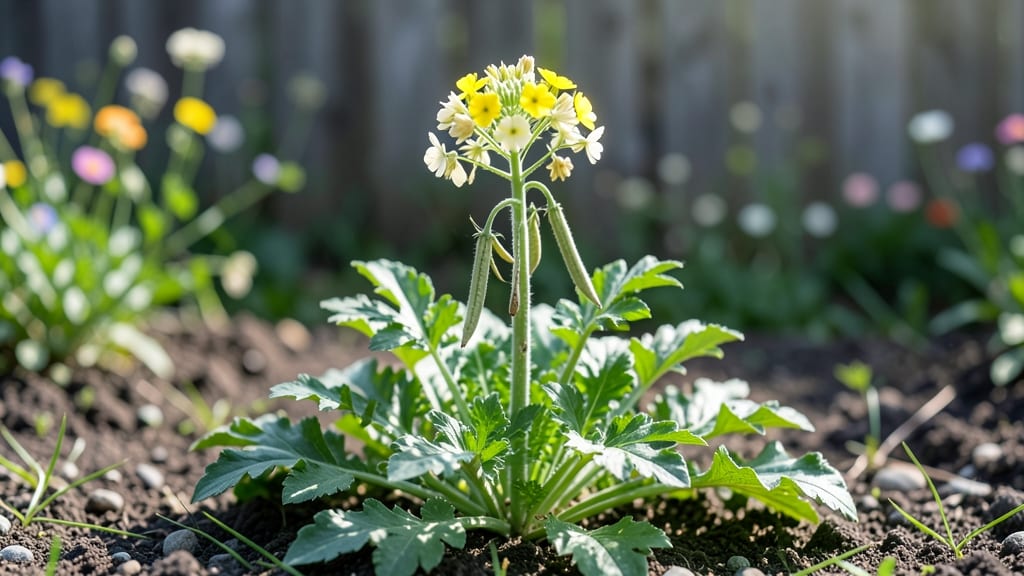
The sinapis alba plant 🌱 delivers a fast harvest of peppery greens and bright yellow blooms—perfect for gardeners who want both beauty and edible rewards in a single package.
Picture this: tender mustard leaves ready for salads in just 30 days, followed by cheerful flowers that attract pollinators while you harvest seeds for homemade mustard. This cool-season annual thrives in USDA Zone 6a and beyond, making it a reliable choice for spring gardens.
Whether you’re growing it as a cover crop, a quick edible green, or an ornamental border, Sinapis alba adapts to your needs. Below, I’ll walk you through everything from seed-starting tips to pest management, so you can enjoy a bold harvest without the guesswork.
Ready to add this versatile plant to your garden? Let’s dive into the easiest ways to grow it from scratch—no green thumb required.
How to grow Sinapis alba from seeds: a step-by-step guide
Sinapis alba, or white mustard, is one of the fastest germinating plants you can grow—often sprouting within 3-5 days of planting. Its dual-purpose nature makes it perfect for both edible gardens and pollinator-friendly landscapes. To ensure robust growth, focus on cool-season planting, proper soil prep, and strategic spacing to prevent overcrowding.
Unlike many vegetables that require delicate transplanting, white mustard thrives when sown directly into the garden. This hardy annual tolerates light frosts and even performs well in cooler climates, making it ideal for early spring or late summer plantings.
Let's break down the exact steps to maximize your harvest of both peppery greens and showy yellow flowers.
Step-by-Step Guide to Growing Sinapis Alba
-
Step 1: Choose the Right Time
Plant seeds 2-4 weeks before your last frost date (typically March-April in most USDA zones 6a+). For a fall harvest, sow again in late summer (August-September). -
Step 2: Prepare the Soil
Amend your soil with compost or aged manure to ensure good drainage. Sinapis alba prefers loamy soil with a pH of 6.0-7.0. Avoid heavy clay, which can cause root rot. -
Step 3: Sow the Seeds
Scatter seeds ¼-inch deep in rows spaced 12-18 inches apart. For a bountiful harvest, aim for 5-6 seeds per foot of row. Lightly cover with soil and water gently. -
Step 4: Ensure Proper Sunlight
Place your plants in a spot with full sun (6+ hours daily). While they tolerate partial shade, sunlight maximizes leaf production and flower yield. South-facing beds are ideal. -
Step 5: Water Consistently
Keep soil evenly moist but not soggy. Water early in the morning to reduce fungal risks. During germination, maintain high humidity by misting or using a humidity dome. -
Step 6: Thin Seedlings
Once seedlings reach 2 inches tall, thin to 6-8 inches apart to prevent overcrowding. Use scissors to avoid disturbing roots. The thinned seedlings make great microgreens! -
Step 7: Fertilize Lightly
Apply a balanced fertilizer (5-10-10) at planting and again after 4-6 weeks. Avoid over-fertilizing, which can lead to excessive leafy growth at the expense of flowers. -
Step 8: Monitor for Pests
Watch for aphids, flea beetles, or cabbage worms. Use row covers early on or spray with neem oil if pests appear. Diatomaceous earth also works for soil-dwelling insects. -
Step 9: Harvest at Peak Freshness
Pick young leaves when plants are 6-8 inches tall for the best flavor. For flowers, harvest fully opened blooms in the morning. Seed pods are ready when firm and green. -
Step 10: Succession Plant
For a continuous harvest, sow new seeds every 2-3 weeks until 6-8 weeks before your first frost. This ensures a steady supply of greens and flowers.
One of the biggest mistakes gardeners make with Sinapis alba is planting seeds too closely together. Overcrowding leads to stunted growth and poor air circulation, increasing the risk of fungal diseases like downy mildew. Always thin seedlings to 6-8 inches apart for optimal airflow and nutrient access.
Another common pitfall is overwatering, especially in clay-heavy soils. White mustard prefers well-draining soil, so amending with sand or perlite can prevent root rot. If your soil doesn’t drain well, consider planting in raised beds or mounds to improve drainage.
For gardeners in warmer climates, late summer plantings work best to take advantage of cooler fall temperatures. In USDA Zone 10 or higher, you can even grow Sinapis alba as a winter crop, planting in October-November for a spring harvest.
Once established, white mustard is remarkably low-maintenance. It tolerates drought conditions better than many greens, though consistent moisture yields the tenderest leaves. If you notice leaves turning yellow or wilted, check for underwatering or pest damage.
Harvesting Sinapis alba is equally rewarding. Young leaves have a mild, peppery flavor perfect for salads, while mature leaves work well in stir-fries or sautéed dishes. The bright yellow flowers add a pop of color to bee-friendly bouquets or can be used as edible garnishes.
With its fast germination, dual harvest potential, and hardy nature, Sinapis alba is a garden superstar. Follow these steps, and you’ll enjoy a bountiful supply of greens and flowers all season long! 🌱
Edible uses of Sinapis alba: greens, flowers, and more
I love how Sinapis alba transforms from delicate greens to vibrant flowers, offering a dual harvest that’s both practical and beautiful. The young leaves pack a peppery kick, perfect for adding depth to salads or sautéed dishes.
Their nutrient-rich profile makes them a garden favorite—high in vitamins A, C, and calcium.
Don’t overlook the bright yellow flowers! They’re edible too, adding a chewy texture and mild mustard flavor to garnishes or infused oils. In traditional medicine, these flowers were even used to soothe respiratory ailments when steeped as tea.
The seeds, once dried, become the basis for mustard oil, a staple in many cuisines.
- Young Leaves: Harvest when 4-6 inches tall for salads, stir-fries, or peppery garnishes. Rich in vitamin K and iron.
- Flowers: Use petals fresh in teas or as edible garnishes. Dried flowers add flavor to broths or infused vinegars.
- Seeds: Harvest when pods turn brown to make mustard oil or grind into spice blends. High in omega-3s.
- Roots: Young roots can be peeled and eaten raw like radishes, with a crunchy, mild flavor.
For maximum flavor, I recommend harvesting leaves in the morning after dew has dried. This ensures they’re crisp and packed with aromatic oils. To preserve the peppery notes, avoid overcooking—lightly wilt them in olive oil for the best results.
Traditionally, Sinapis alba was used as a cover crop to improve soil health while also providing edible greens. Its fast growth (ready in 30-45 days) makes it ideal for interplanting with slower crops like carrots or onions. The flowers also attract pollinators, boosting your garden’s biodiversity.
If you’re new to using mustard greens, start with small amounts—their bold flavor can overpower delicate dishes. Pair them with sweet fruits like apples or creamy ingredients like goat cheese to balance the heat.
For a nutrient boost, blend the leaves into smoothies or add them to homemade pestos.
Next time you’re harvesting, save a few flower stems to dry for later use. Hang them upside down in a paper bag until crisp, then store in an airtight container.
These dried flowers make a unique tea or can be crushed into spice rubs for meats. The versatility of Sinapis alba never ceases to amaze me!