
Planting
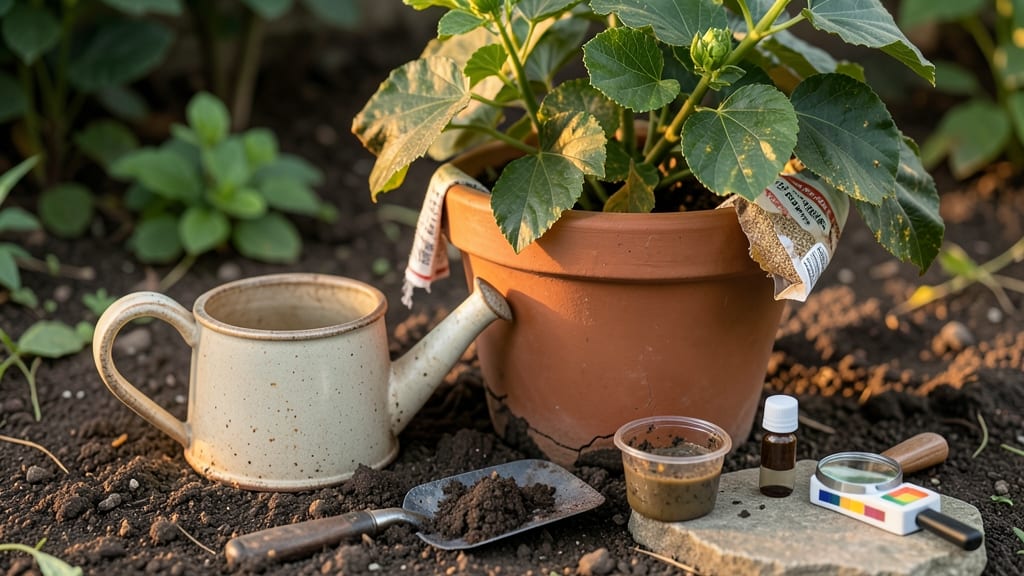
A sick hibiscus plant’s drooping leaves might be a cry for help—not a death sentence. 🌿 I’ve nursed back more than a dozen struggling hibiscuses, and the key is acting fast before the roots or pests take over.
The good news? Most issues (overwatering, underwatering, pests, or even just heat stress) have quick fixes that can turn things around in 24 hours—if you catch them early.
First, check the roots: soggy soil means root rot, while bone-dry soil signals thirst. Spider mites or aphids leave sticky residue or tiny webs on the undersides of leaves. The fix isn’t always dramatic—sometimes it’s just adjusting water, trimming damaged growth, or a blast of water to knock off pests.
My hibiscus went from limp to perky in one day after I swapped out heavy clay soil for a lighter mix and stopped drowning it.
You’ll see the first signs of recovery within 12-24 hours: leaves perking up, new buds forming, and that signature hibiscus bounce. The secret is consistency—once you find the right balance of water, light, and humidity (especially in summer), your plant will reward you with bold blooms for months.
Think of it as a reset button for your hibiscus’s health.
Works for both tropical and hardy hibiscus varieties, whether you’re dealing with wilting, yellowing, or pests. Here’s how to diagnose and fix it—before it’s too late.
Root Causes of Hibiscus Decline
When your hibiscus plant starts looking less than vibrant, it’s usually sending you a clear SOS—if you know what to listen for. Understanding the why behind its distress is half the battle.
Let’s break down the most common culprits, backed by science, so you can diagnose—and fix—your plant’s problems like a pro.
Hibiscus plants are tropical divas—they love moisture but hate soggy roots. Overwatering is the #1 reason hibiscus leaves turn yellow, wilt, or drop prematurely. Here’s why:
- Root Rot Fungus: Hibiscus roots thrive in well-draining soil, but excess water creates an anaerobic (oxygen-free) environment.
This triggers Pythium or Phytophthora fungi, which gnaw away at roots, cutting off water and nutrient uptake. 🍄 - Actionable fix: Let the top 1–2 inches of soil dry out between waterings.
Use a moisture meter or stick your finger in—if it’s damp past 1 inch, wait. - Nutrient Leaching: Overwatering flushes essential nutrients (like nitrogen, potassium, and magnesium) out of the soil before roots can absorb them.
This leads to chlorosis (yellowing leaves) and stunted growth. - Pro tip: Amend soil with perlite or coconut coir to improve drainage. If repotting, mix in orchid bark for aeration.
On the flip side, hibiscus plants will wilt dramatically when thirsty. Unlike drought-tolerant succulents, hibiscus roots dry out quickly in hot or windy conditions.
Signs include: - Crispy Leaf Edges: When roots can’t pull up enough water, leaves lose turgor pressure, curl, and develop brown, papery edges. - Drooping Stems: A classic underwatering symptom—stems may feel lightweight and hollow when squeezed (a sign of severe dehydration).
Why it happens:
- Hibiscus are shallow-rooted and rely on consistent moisture. Their large leaves transpire (release water) rapidly, especially in full sun.
- Fix it fast: Soak the root zone thoroughly until water drains from the bottom. Use a 5-gallon bucket to water deeply—this mimics tropical rainfall patterns.
Even if you’re watering correctly, compacted or clay-heavy soil can strangle your hibiscus. Poor drainage leads to: - Root Suffocation: Hibiscus roots need oxygen.
Compacted soil forces them to struggle, leading to hypoxia (oxygen starvation), which weakens the plant’s immune system. - Salt Buildup: Over time, minerals from tap water or fertilizers accumulate in poorly draining soil, creating a salty crust that burns roots.
How to check:
- Dig down 3–4 inches. If water pools or the soil feels like wet clay, it’s time to act.
- Solution: Repot into a container with 1 part potting mix, 1 part perlite, and 1 part compost. Add a layer of gravel or broken pottery shards at the bottom for extra drainage.
Pests like spider mites, aphids, and mealybugs suck sap from hibiscus leaves, leaving behind: - Sticky Residue (Honeydew): A shiny, tacky film on leaves = pest party time.
This attracts sooty mold, blocking sunlight and stunting growth. - Webbing or Egg Sacs: Spider mites spin fine webs on the undersides of leaves, while mealybugs hide in cottony clusters.
Why it’s worse than you think:
- Pests transmit viruses, like hibiscus chlorotic ringspot virus, which causes yellow rings and leaf distortion.
- Emergency response: Isolate the plant. Spray with neem oil or insecticidal soap (repeat every 5–7 days). For severe cases, wipe leaves with a 70% alcohol solution.
Hibiscus are heavy feeders, especially when blooming.
Deficiencies show up as: - Yellow Lower Leaves (Nitrogen): The plant cannibalizes older leaves to fuel new growth. - Purple Stems or Leaf Undersides (Phosphorus): A cry for energy to support flowers and roots. - Brown Leaf Tips (Potassium): Weakens cell structure, making leaves prone to burning.
Soil pH matters too:
- Hibiscus prefer slightly acidic to neutral soil (pH 6.1–7.0). If your soil is too alkaline (pH >7.5), iron and manganese become unavailable, causing yellowing between veins (interveinal chlorosis).
Fix it:
- Feed with a balanced fertilizer (10-10-10 or 20-20-20) every 4–6 weeks during growing season.
- For micronutrients, use chelated iron or Epsom salt (magnesium sulfate) if leaves show deficiency signs.
Hibiscus are tropical, meaning they hate extremes. Common triggers: - Cold Drafts or Frost: Temperatures below 50°F (10°C) shock hibiscus, causing leaves to blacken or drop.
They’re not frost-tolerant! - Scorching Sun: While they love light, direct afternoon sun can sunburn leaves, leaving white or brown patches. - Low Humidity: Dry air causes leaf edges to crisp, mimicking underwatering. Hibiscus thrive in 50–70% humidity.
Quick fixes:
- Move indoors if temps drop below 55°F (13°C).
- Use a pebble tray with water or a humidifier to boost moisture.
- Provide morning sun + afternoon shade in hot climates.
How to solve it
Reviving a sick hibiscus plant starts with identifying the root cause—whether it’s thirst, stress, pests, or disease—and acting fast. Below are practical, step-by-step solutions tailored to the most common issues, plus prevention tips to keep your hibiscus thriving long-term. 🌿✨
Signs: Yellowing leaves, mushy stems, foul-smelling soil, or wilting despite damp soil.
How to Fix It:
- 🔥 Stop Watering Immediately – Let the soil dry out completely before watering again.
- 🍳 Check the Roots – Gently remove the plant from its pot and inspect the roots. Healthy roots are firm and white; rotten roots are black, mushy, and smell bad.
- 👨🍳 Trim the Damage – Use sterilized scissors to cut away all soft, discolored roots. Keep only firm, healthy roots.
- 🥘 Repot in Fresh Soil – Place the plant in a clean pot with well-draining soil (mix potting soil with perlite or sand for aeration).
- ⏰ Wait Before Watering – Hold off on watering for 3–5 days to let the roots recover. Then, water only when the top 1–2 inches of soil are dry.
💡 Prevention Tips:
- Use pots with drainage holes—never let hibiscus sit in saucers of water.
- Water deeply but infrequently (every 7–10 days, depending on climate).
- Avoid soggy soil—hibiscus hates wet feet!
Signs: Crispy, brown leaf edges, drooping leaves, or soil pulling away from the pot.
How to Fix It:
- 💦 Water Thoroughly – Soak the soil until water drains from the bottom of the pot. Hibiscus loves moisture but hates drought stress.
- 🌡️ Move to Shade – If temperatures exceed 90°F (32°C), relocate your hibiscus to partial shade (morning sun is ideal).
- 🥗 Mist the Leaves – Lightly mist foliage in the early morning to boost humidity (especially in dry climates).
- 🍎 Feed It – After recovery, use a balanced liquid fertilizer (like 20-20-20) diluted to half-strength.
💡 Prevention Tips:
- Mulch around the base to retain moisture.
- Group plants together to create a microclimate with higher humidity.
- Avoid plastic pots—they trap heat; opt for terracotta or fabric pots instead.
Signs: Sticky residue (aphids), chewed leaves (caterpillars), white webbing (spider mites), or tiny holes (thrips).
How to Fix It (Choose One Method):
| Pest | Solution |
|---|---|
| Aphids | 🔪 Spray with soapy water (1 tsp mild soap + 1 quart water) or neem oil. |
| Spider Mites | 🌡️ Blast off with water (forceful spray) or release ladybugs (natural predators). |
| Mealybugs | 🍳 Wipe off with rubbing alcohol (70% isopropyl) on a cotton swab. |
| Caterpillars | 🥘 Handpick or use BT (Bacillus thuringiensis) spray. |
💡 Prevention Tips:
- Inspect new plants before bringing them indoors.
- Encourage beneficial insects (like ladybugs or lacewings) by planting marigolds nearby.
- Avoid over-fertilizing—soft new growth attracts pests.
Signs: Black spots (anthracnose), yellow halos (bacterial leaf spot), or powdery white residue (powdery mildew).
How to Fix It:
- 🧼 Prune the Infected Parts – Cut off all diseased leaves/stems with sterilized shears (wipe with rubbing alcohol between cuts).
- 🍳 Fungicide Treatment – Spray with copper fungicide or a baking soda mix (1 tsp baking soda + 1 quart water + a drop of dish soap).
- 🌿 Improve Airflow – Space plants apart and avoid overhead watering (water at the base instead).
- ✨ Quarantine – Keep the sick hibiscus separate from healthy plants until fully recovered.
💡 Prevention Tips:
- Water in the morning so leaves dry quickly.
- Avoid wetting foliage—use a soaker hose or drip irrigation.
- Rotate plants occasionally for even sunlight exposure.
Signs: Pale yellow leaves (nitrogen deficiency), purple stems (phosphorus lack), or weak growth (potassium shortage).
How to Fix It:
- 📊 Test the Soil – Use a DIY soil test kit (available at garden centers) to identify deficiencies.
- 💪 Apply the Right Fertilizer:
- Yellow leaves? → Nitrogen-rich (fish emulsion or blood meal).
- Stunted growth? → Phosphorus (bone meal).
- Weak stems? → Potassium (banana peel tea or wood ash).
- 🍎 Feed Monthly – During spring and summer, use a balanced fertilizer (10-10-10) every 4 weeks.
💡 Prevention Tips:
- Use slow-release granules mixed into soil for steady nutrients.
- Compost regularly to enrich soil naturally.
- Avoid over-fertilizing—hibiscus prefers moderate feeding over heavy doses.
If your hibiscus is severely drooping, follow this emergency protocol:
- 🔥 Trim dead/dying leaves (helps the plant focus energy).
- 💦 Water deeply (if soil is bone-dry) or drain excess (if soggy).
- ☀️ Move to ideal light (bright, indirect sunlight).
- 🌡️ Check for pests—spray with neem oil if needed.
- 🍳 Repot if roots are crowded (use a pot 1–2 inches larger).
🎯 Pro Tip: Hibiscus is tropical—it hates cold drafts! Keep it above 50°F (10°C) at all times.
Remember: Most hibiscus issues are fixable with quick action. Monitor your plant’s progress, adjust care as needed, and soon, you’ll see plump, vibrant leaves and showy blooms again! 🌺🌟
Frequently asked questions
Why are my hibiscus leaves turning yellow?
Yellowing leaves usually mean overwatering or nutrient deficiency. Check the soil—if it's soggy, you're likely causing root rot. Let the top 1-2 inches dry out between waterings. Yellowing can also signal nitrogen deficiency—try a balanced fertilizer like 10-10-10 or fish emulsion.
How often should I water my hibiscus plant?
Water when the top 1-2 inches of soil feel dry to the touch. In summer, this might be every 5-7 days, while winter care requires watering every 2-3 weeks. Always use pots with drainage holes to prevent soggy roots.
What do white webs on my hibiscus mean?
Those are spider mites! They thrive in dry conditions and leave fine webs on leaf undersides. Blast them off with water first, then treat with neem oil or insecticidal soap. Increase humidity by misting leaves or using a pebble tray.
Can I save a hibiscus with black spots on leaves?
Yes, but act fast! Prune all infected leaves with sterilized shears, then spray with copper fungicide or baking soda mix (1 tsp baking soda + 1 quart water). Improve airflow by spacing plants apart and avoid overhead watering. Quarantine the plant until recovered.
Why won't my hibiscus bloom?
Lack of blooms often means insufficient light or nutrients. Move to bright, indirect sunlight (6+ hours daily) and feed with phosphorus-rich fertilizer (like bone meal) every 4-6 weeks during growing season. Deadhead spent blooms to encourage new flowers.