
Planting
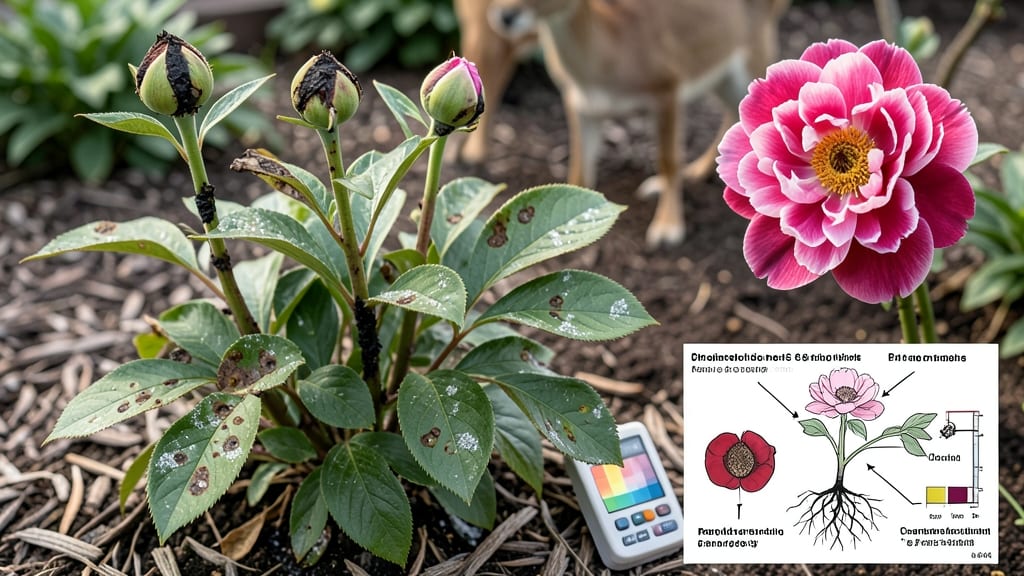
Seeing those peony plant problems—like buds wilting before they even open—can be heartbreaking, but it happens more often than you’d think, usually from botrytis blight or overwatering. 🌸 I’ve nursed back more than a dozen peonies from this exact problem, and the fix is simpler than you’d believe.
Most gardeners assume it’s a lost cause, but with the right steps, you can revive them in under a week. The real villain is often too much moisture—whether from rain, overhead watering, or poor drainage.
Fungal spores lurk in damp foliage, and once they take hold, those lush blooms turn mushy and droop. Yellowing leaves? That’s usually a sign of nutrient deficiency or peony sawfly damage, but the solutions overlap surprisingly. Start by cutting back affected stems and improving airflow around the plant.
What you’ll end up with is peonies that bounce back with vibrant green leaves and blooms that last for days. The key is acting fast—once the fungus spreads, it’s harder to reverse.
I’ll walk you through the exact steps, from pruning to organic sprays, so you can save your plants before they’re beyond help. Here’s the good news: peonies are tougher than they look.
Even if your plant looks terrible now, the roots are likely still strong—it’s just the top growth that’s suffering. The first step is always removing diseased foliage with clean pruners (sterilize them with rubbing alcohol first).
Then, adjust your watering habits—peonies hate soggy feet, so make sure they’ve got well-draining soil and you’re only watering at the base. For the fungal issues, a baking soda spray (1 teaspoon baking soda + 1 quart water + a drop of dish soap) works wonders as a preventative.
Apply it every 7-10 days during peak blooming season, and your peonies will thank you. If pests like peony sawfly are the culprit, handpick the larvae or use neem oil—it’s organic, effective, and won’t harm bees or other beneficial insects.
Once you’ve tackled the immediate problem, focus on prevention for next year. Space your peonies properly (they need 3-4 feet between plants for airflow), avoid overhead watering, and mulch around the base to keep soil moisture even.
With these adjustments, your peonies will thrive—and you’ll never again watch those stunning blooms wilt away before they’ve even opened.
Root Causes Of Peony Struggles
Peonies are resilient plants, but when they start showing signs of distress—like drooping blooms or yellowing leaves—it’s usually a clear signal that something’s off. Understanding the why behind these issues is the first step to fixing them.
Below, we break down the most common culprits, backed by science, so you can diagnose and treat your peony’s woes like a pro.
Peonies hate soggy feet.
Their roots need oxygen to thrive, and excess moisture suffocates them, leading to: - Yellowing leaves (chlorosis) from root rot (Phytophthora or Pythium fungi). - Drooping blooms due to weakened root systems struggling to absorb water and nutrients. - Stunted growth as the plant diverts energy to surviving rather than flowering.
Why it happens: Peonies prefer well-drained soil with a pH of 6.5–7.5. Heavy clay soils or containers without drainage holes trap water, creating anaerobic conditions where harmful bacteria thrive. Even overzealous watering (especially in fall or winter) can drown roots.
Actionable fix:
- Test your soil: Stick a finger 2 inches deep—if it’s damp, wait before watering.
- Amend heavy soil: Mix in compost or sand to improve drainage.
- Raise beds: If planting in containers, use pots with drainage holes and a gravel layer at the bottom.
Peonies are sun-lovers, but too much or too little can trigger problems:
- Drooping blooms from heat stress (wilting in afternoon sun) or bud blast (buds dying before opening).
- Yellowing leaves from nutrient deficiencies (like iron or nitrogen) when shaded too much.
- Leggy stems if they’re stretched toward light, weakening structural support.
Why it happens: Peonies need 6–8 hours of full sun daily. Too little sun = weak stems and poor flowering. Too much intense afternoon sun (especially in hot climates) can scorch leaves and cause buds to dry out before blooming. Sudden temperature swings (like cold nights after hot days) also stress plants.
Actionable fix:
- Morning sun is best: Plant peonies where they get sun until midday, then partial shade in the afternoon.
- Mulch properly: Use 2–3 inches of organic mulch (like straw or wood chips) to regulate soil temperature.
- Avoid late pruning: Cutting back foliage after Labor Day can weaken the plant’s energy reserves for next year.
Peonies are heavy feeders, but too little or too much fertilizer throws them off balance:
- Yellow leaves with green veins = iron deficiency (chlorosis, common in alkaline soils).
- Pale green or purple-tinged leaves = nitrogen deficiency (weak growth, small blooms).
- Burnt leaf edges = fertilizer burn (too much salt or synthetic nutrients).
- No blooms = phosphorus or potassium shortage (essential for flowering).
Why it happens: Peonies need balanced nutrients, but their roots are shallow and sensitive. Over-fertilizing (especially with nitrogen) promotes lush foliage at the expense of blooms. Under-fertilizing leads to weak plants that can’t support heavy flowers. Alkaline soil (pH >7.5) also locks out iron, causing yellowing.
Actionable fix:
- Soil test first: Know your pH and nutrient levels before amending.
- Use slow-release fertilizer: Apply a balanced 10-10-10 in early spring (before new growth) and after blooming.
- Fix iron deficiency: Sprinkle chelated iron or Epsom salt (1 tbsp per gallon of water) in the soil.
- Avoid high-nitrogen fertilizers: These encourage leaves over flowers—opt for phosphorus-rich options for blooms.
Peonies aren’t pest magnets, but a few sneaky invaders can wreak havoc:
- Peony leaf spot (Ascochyta fungus) → brown spots with yellow halos, wilting leaves.
- Botrytis blight → gray mold on buds and flowers, causing them to rot before opening.
- Peony sawfly larvae → chewed leaves that look like Swiss cheese.
- Aphids or spider mites → sticky residue (honeydew) or tiny webs on undersides of leaves.
Why it happens: Fungal diseases thrive in humid, poorly ventilated conditions (like thick mulch or crowded plants). Insects target stressed peonies (drought, overwatering, or nutrient deficiencies). Old, diseased foliage left over winter also spreads pathogens.
Actionable fix:
- Prevent fungal spread: Remove fallen leaves and spent blooms in fall; sterilize pruners with rubbing alcohol.
- Spray preventatively: Use neem oil (for pests) or copper fungicide (for leaf spot) in early spring.
- Encourage airflow: Space peonies 2–3 feet apart and avoid overhead watering.
- Handpick pests: Crush sawfly larvae or blast aphids off with water in the morning.
Peonies are hardy (USDA zones 3–8), but freeze-thaw cycles, late frosts, or scorching heat can shock them:
- Blackened buds = late frost damaging tender new growth.
- Wilting in heat = transpiration stress (loses water faster than roots can absorb).
- Stunted growth = soil temperature fluctuations disrupting root activity.
Why it happens: Peonies need consistent temperatures. Sudden cold snaps in spring can kill emerging buds, while heatwaves cause moisture loss. Poorly insulated soil (like bare ground) also stresses roots in winter.
Actionable fix:
- Protect from late frost: Cover plants with frost cloth when night temps drop below 28°F.
- Water deeply in heatwaves: Morning watering (1–2 inches per week) reduces stress.
- Mulch heavily in winter: Apply 4–6 inches of straw or leaves to insulate roots.
- Choose heat-tolerant varieties: Some peonies (like ‘Sarah Bernhardt’) handle heat better than others.
Quick Fixes for Peony Plant Woes
Peonies are stunning, but even the hardiest ones can face issues like drooping blooms, yellowing leaves, or stubborn pests. The good news? Most problems have simple, effective solutions—if you act fast.
Below, we’ll break down the fixes by cause, so you can revive your peonies and keep them thriving for years.
Drooping peony blooms are often a sign of stress, but they’re usually reversible with a little TLC.
💧 Hydration Check: Too Much or Too Little Water?
Peonies hate soggy roots but also wilt when thirsty.
If your blooms sag in the heat: - 🔥 Step 1: Water deeply at the base (1–2 inches per week, more in extreme heat). - 👨🍳 Step 2: Use a moisture meter or stick your finger 2 inches into the soil—if it’s dry, water immediately. - 🥘 Step 3: Mulch with 2–3 inches of organic matter (straw or shredded leaves) to retain moisture. - ⏰ Prevention Tip: Water in the early morning to reduce evaporation and fungal risks.
💡 Pro Tip: If blooms wilt after rain, they may be overwatered—check for poor drainage or compacted soil.
☀️ Heat & Sun Stress Relief
Peonies can suffer in scorching weather, especially if they’re young or newly planted.
- 🌡️ Step 1: Provide afternoon shade (use a sheer cloth or shade cloth if needed).
- 🎯 Step 2: Avoid fertilizing during heatwaves—it stresses plants further.
- ✨ Prevention Tip: Plant peonies where they get 5–6 hours of morning sun and afternoon shade in hot climates.
Yellow leaves usually mean nutrient deficiencies, disease, or overwatering. Let’s diagnose and fix:
📊 Nutrient Deficiency Fix
Yellowing leaves (especially older ones) often signal nitrogen or iron issues.
- 💪 Step 1: Test your soil (a simple kit from a garden center works).
- 🥗 Step 2: Apply a balanced fertilizer (10-10-10) in early spring or an iron supplement (like iron chelate) if leaves are pale yellow.
- 🍎 Prevention Tip: Amend soil with compost annually to prevent deficiencies.
🌡️ Fungal Disease Treatment (Botrytis or Powdery Mildew)
If yellowing is paired with brown spots, powdery white residue, or mushy stems:
- 🔪 Step 1: Prune infected leaves immediately with sterilized shears (dip in rubbing alcohol).
- 🍳 Step 2: Spray with neem oil or a copper fungicide (follow label rates).
- ⏰ Prevention Tip: Space plants for airflow, avoid overhead watering, and water at the base.
💧 Overwatering & Root Rot Rescue
Yellow, mushy leaves with a foul smell? Root rot is likely.
- 🔥 Step 1: Stop watering and let the soil dry out.
- 👨🍳 Step 2: Dig up the plant, trim blackened roots with clean scissors, and replant in well-draining soil (add perlite or sand).
- 🥘 Step 3: Repot in a container if needed, or mound soil around the base to improve drainage.
- ✨ Prevention Tip: Plant peonies in slightly raised beds to prevent water pooling.
Peonies attract aphids, Japanese beetles, and even deer. Here’s how to evict them:
🐜 Aphid & Beetle Control
- 🔥 Step 1: Blast pests off with a strong spray of water (early morning works best).
- 🍳 Step 2: Apply insecticidal soap or kaolin clay (a natural barrier).
- 🎯 Step 3: For Japanese beetles, handpick them (drop in soapy water) or use milky spore bacteria for long-term control.
- ⏰ Prevention Tip: Plant marigolds or catnip nearby—they repel pests naturally.
🦌 Deer & Rabbit Deterrents
If critters are munching your peonies:
- 🌡️ Step 1: Install a chicken wire fence (8–12 inches tall).
- 💡 Step 2: Spritz leaves with hot pepper spray (1 tbsp cayenne + 1L water + dish soap).
- ✨ Prevention Tip: Plant peonies near fragrant herbs (like rosemary) to mask their scent.
Even healthy peonies need a little spring and fall maintenance to stay problem-free:
- 💧 Water deeply but avoid soggy soil.
- 🌱 Prune spent blooms (but leave foliage until late fall—it feeds the roots!).
- 🍂 Divide clumps every 5–6 years to prevent overcrowding.
- 🌡️ Mulch in winter (with straw or leaves) to protect roots from freeze-thaw cycles.
🎯 Final Reminder: Most peony problems are fixable with proactive care—water wisely, fertilize smartly, and keep an eye out for pests. Your peonies will reward you with bold blooms for decades!
Frequently asked questions
Why do my peony buds keep dropping before they open?
This is usually caused by botrytis blight (gray mold) or bud blast from temperature swings. Fungal spores thrive in damp conditions, so remove affected buds immediately and improve airflow by spacing plants 2-3 feet apart. A preventive spray of baking soda solution (1 tsp baking soda + 1 quart water + dish soap) every 7-10 days during bloom season helps.
What should I do if my peony leaves turn yellow?
Yellow leaves usually indicate overwatering, nutrient deficiency, or fungal disease. First, check soil moisture—peonies prefer well-drained soil. For yellowing with green veins, add chelated iron or Epsom salt (1 tbsp per gallon). If leaves are mushy with brown spots, prune affected areas and apply copper fungicide. Test your soil pH too—ideal range is 6.5-7.5.
How do I get rid of peony sawfly larvae?
These caterpillars create Swiss cheese-like holes in leaves. Handpick larvae and drop them in soapy water, or spray with neem oil (mix 2 tbsp per gallon). For severe infestations, apply Bacillus thuringiensis (Bt), an organic bacterial spray. Plant marigolds nearby as a natural deterrent—sawflies avoid their scent.
Can I save a peony with root rot?
Yes, but act fast! Dig up the plant, trim all blackened roots with sterilized scissors, and replant in well-draining soil mixed with perlite or sand. Water lightly until new growth appears. For containers, ensure drainage holes are clear. Prevent future rot by watering only at the base and avoiding soggy soil—peonies hate wet feet!
When is the best time to divide peony clumps?
Divide peonies every 5-6 years in early spring (before new growth) or early fall. Dig up the plant, separate the roots into sections with 3-5 eyes each, and replant immediately. Avoid dividing in summer—this stresses the plant. Water thoroughly after replanting to help roots establish.