
Planting
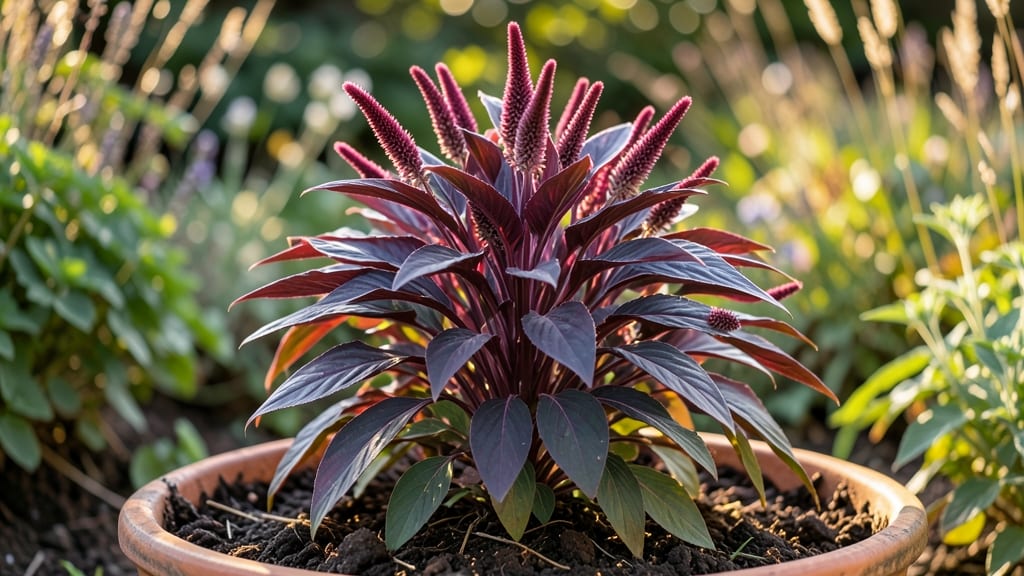
The purple amaranth plant thrives in warm climates with full sun, well-draining soil, and consistent moisture. Harvest young leaves for tender greens or mature seed heads for gluten-free grains, spacing plants properly to avoid overcrowding and pests like aphids or spider mites.
Growing this vibrant plant is easier than you might think, especially if you live in regions with hot summers. 🌿 Purple amaranth loves heat and can even tolerate brief dry spells, making it a low-maintenance choice for gardeners.
The deep purple leaves pack a nutritional punch, offering more protein and fiber than spinach, while the seeds provide a complete gluten-free protein source. I've found that planting seeds 12-18 inches apart gives them enough room to grow strong stems and prevents fungal issues from poor air circulation.
What sets purple amaranth apart is its dual harvest potential—you can snip tender young leaves for salads or wait for the seed heads to mature for cooking or sprouting.
The leaves have a slightly earthy, spinach-like flavor that pairs well with garlic and lemon, while the seeds can be ground into flour or popped like quinoa. This versatility makes it a fantastic addition to both gardens and kitchens.
💡 In This Article
- Optimal Growing Conditions for Purple Amaranth
- Culinary and Medicinal Uses of Purple Amaranth Leaves
Optimal growing conditions for purple amaranth
Purple amaranth thrives in temperatures between 70-95°F, making it perfect for summer planting in most warm climates. The plant's C4 photosynthetic pathway allows it to efficiently convert sunlight into energy even under high temperatures, which is why it grows so vigorously in heat.
Unlike many leafy greens that bolt or wilt in summer, amaranth continues producing tender leaves until frost. This heat tolerance is why it's often called the "poor man's quinoa"—it grows where other crops might struggle.
The soil pH should ideally range from 6.0 to 7.5, slightly acidic to neutral, as this range maximates nutrient uptake, particularly nitrogen and phosphorus. Purple amaranth has a deep root system that can reach 3-4 feet deep, allowing it to access moisture and nutrients from lower soil layers.
However, it prefers well-draining soil to prevent root rot—a common issue in heavy clay soils. Adding compost before planting boosts organic matter, improving both drainage and moisture retention, which is crucial during dry spells.
Sunlight requirements are non-negotiable: purple amaranth demands 6-8 hours of direct sunlight daily for optimal growth. The plant's broad leaves capture sunlight efficiently, but shade can lead to leggy stems and reduced leaf quality.
In my experience, planting in full sun positions the leaves to develop their signature deep purple hue, which intensifies as they mature. This color isn't just for show—it indicates high anthocyanin content, a powerful antioxidant that contributes to the plant's nutritional benefits.
Watering needs are surprisingly moderate once established. Purple amaranth has moderate drought tolerance due to its thick stems and waxy leaf coating, which reduces water loss. However, consistent moisture during the first 4-6 weeks of growth is critical for seedling establishment.
Overwatering can lead to fungal issues, so aim for 1-1.5 inches of water per week, adjusting for rainfall. The plant's deep roots make it more resilient to dry conditions than shallow-rooted greens like lettuce.
Spacing is often overlooked but makes a huge difference. Plant seeds 12-18 inches apart in rows spaced 2-3 feet apart to allow for proper air circulation and light penetration. Crowding leads to competition for resources, resulting in smaller leaves and increased susceptibility to pests like aphids or spider mites.
Proper spacing also makes harvesting easier—you can simply snip outer leaves without disturbing the plant's growth center.
One fascinating aspect of purple amaranth's growth is how it allocates resources. When you harvest leaves regularly, the plant focuses energy on producing more foliage. If left unharvested, it shifts resources to seed production, developing those distinctive 2-3 foot tall seed heads.
This dual-purpose nature means you can choose whether to prioritize leafy greens or grain production based on your needs. 🌱