
Planting
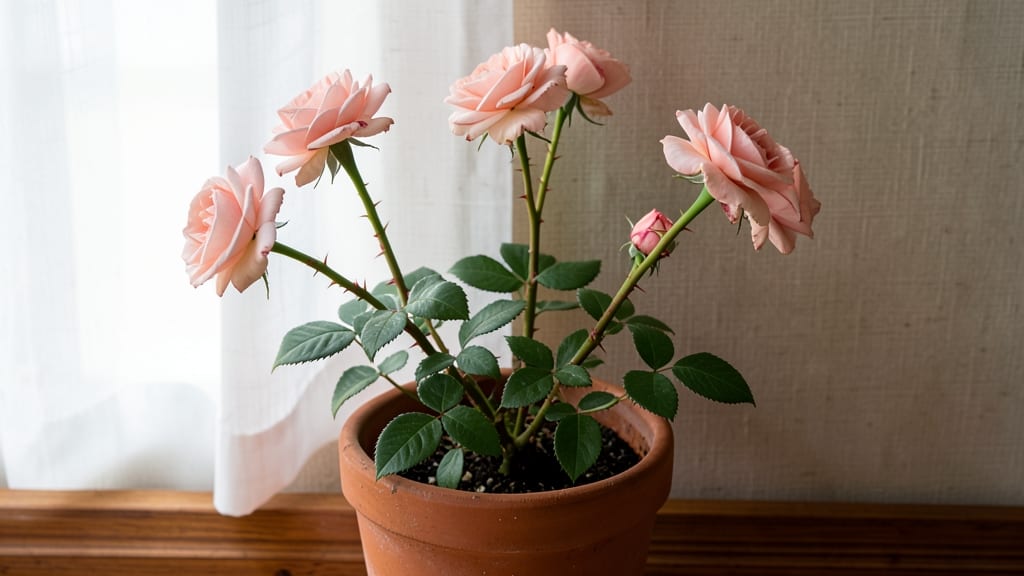
Growing a rose house plant that thrives indoors is easier than you think—even with limited sunlight. 🌿 I’ve nurtured my own mini rose bushes in apartments with just a south-facing window, and they’ve bloomed more reliably than my outdoor roses.
The secret lies in choosing the right variety and mimicking their natural habitat indoors.
Miniature roses and patio roses are your best bets—they adapt well to indoor spaces and need less sunlight than their outdoor cousins. You’ll want a well-draining potting mix, a pot with drainage holes, and a spot where they get at least 4-6 hours of indirect light daily.
Overwatering is the biggest mistake, so let the top inch of soil dry out before watering again.
With the right care, your indoor rose will reward you with fragrant blooms year-round and lush green foliage. Prune regularly to encourage bushier growth, and watch for pests like spider mites—wipe leaves with a damp cloth to keep them at bay.
The payoff? A living centerpiece that smells like summer, no matter the season.
This method works for any indoor space, from bright living rooms to cozy bedrooms. Once you master the basics, you can even experiment with growing roses from cuttings—just like the pros. Let’s get your indoor rose garden started!
📚 In This Guide
- What you need
- Instructions
- Tips and common mistakes
- Wrapping up and next steps
What you need
- ● Rose House Plant: Choose a miniature rose or dwarf rose variety (e.g., 'Fairy Rose,' 'Bonica,' or 'David Austin'). Ensure it’s healthy with vibrant buds and no signs of pests.
- ● Pot: A 6- to 10-inch container with drainage holes (terracotta or ceramic works best). Pro tip: 💡 Use a pot 1-2 inches larger than the root ball to prevent overwatering.
- ● Well-Draining Potting Mix: A blend of 50% peat moss or coconut coir, 30% perlite or pumice, and 20% compost. Avoid garden soil—it compacts and suffocates roots!
- ● Drainage Material: 1-2 inches of small pebbles, gravel, or broken pottery at the pot’s bottom to improve aeration.
- ● Watering Can or Spray Bottle: A rose or spray nozzle attachment helps avoid over-saturating the soil.
- ● Pruning Shears: Sharp, sterilized shears (or clean scissors) to trim dead blooms and shape the plant.
- ● Balanced Fertilizer: A 10-10-10 or 20-20-20 liquid fertilizer (diluted to half-strength) for feeding. Pro tip: ✨ Use every 4-6 weeks during growing season (spring-fall).
- ● Grow Lights: A full-spectrum LED grow light (12-16 hours/day) if natural light is less than 4 hours/day.
- ● Humidity Tray: A shallow tray with pebbles and water to boost humidity (roses love 40-60% humidity).
- ● Mulch: A light layer of orchid bark or pine needles to retain moisture and deter pests.
- ● Plant Support: A small bamboo stake or spiral tie for taller varieties to prevent flopping.
- ● Insecticidal Soap or Neem Oil: For preventative pest control (especially if you spot aphids or spider mites).
Step-by-step guide to growing a thriving indoor rose houseplant
Here's how to coax vibrant blooms from your indoor rose—even with limited light.
🌱 Step 1: Select the Right Rose Variety for Indoor Growing
Not all roses thrive indoors, so choose a miniature rose bush or dwarf rose variety like 'Fairy' or 'Playboy.' These compact types handle indoor conditions better than full-size roses. Look for healthy plants with green leaves and no signs of pests or disease—yellowing leaves or white spots mean trouble.
Real talk: Avoid roses labeled "outdoor only" or "hardy" unless you're prepared for extra care. Indoor roses need varieties bred for smaller spaces. Buy from a reputable nursery where you can inspect the plant's health upfront—you'll save yourself headaches later.
🪴 Step 2: Choose the Perfect Pot and Soil Mix
Use a 6-8 inch pot with drainage holes—roses hate soggy roots. I recommend terracotta because it breathes and helps prevent root rot. Fill the pot with a mix of 50% potting soil and 50% perlite or sand to improve drainage. This lightweight mix mimics the well-draining conditions roses love.
Don't skip the drainage layer. Place a 1-inch layer of gravel or broken pottery shards at the bottom before adding soil. This ensures water flows out freely. Tap the pot gently after filling to settle the soil without compacting it—you want it fluffy so roots can spread easily.
☀️ Step 3: Position for Maximum Light Without Direct Sun
Place your rose near an east-facing window where it gets bright, indirect light for 6+ hours daily. South-facing windows work too, but use a sheer curtain to filter harsh afternoon sun—direct rays scorch delicate leaves. You'll know the light is right when new leaves stay a healthy green, not pale or yellow.
If natural light is limited, supplement with a grow light placed 12-18 inches away for 12-14 hours daily. LED grow lights are energy-efficient and won't overheat like older bulbs. Watch for leggy growth—if stems stretch too tall with small leaves, your plant needs more light.
💧 Step 4: Water and Fertilize for Consistent Blooms
Water when the top 1-2 inches of soil feel dry—stick your finger in to check. Overwatering is the #1 killer of indoor roses. Use room-temperature water and water until it runs freely from the drainage hole, then empty the saucer to prevent root rot. I water in the morning so excess moisture evaporates by night.
Feed every 2 weeks in spring and summer with a balanced liquid fertilizer (10-10-10) diluted to half strength. Skip fertilizing in fall and winter when growth slows. You'll see the difference in 4-6 weeks—healthier leaves and more buds. Always water before fertilizing to avoid burning roots.
✂️ Step 5: Prune and Maintain for Year-Round Growth
Prune in early spring to shape the plant and encourage new growth. Cut back 1/3 of the oldest stems just above a leaf node (the bump where leaves grow). Use clean, sharp pruners to make 45-degree cuts—this prevents disease and promotes faster healing. Remove any dead, diseased, or crossing branches first.
Deadhead spent blooms regularly to redirect the plant's energy into new flowers. Pinch back leggy stems to encourage bushier growth. I also wipe leaves with a damp cloth monthly to remove dust—clean leaves absorb more light and photosynthesize better. This keeps your rose looking lush and blooming steadily.
Tips & tricks for growing thriving indoor roses
Here's how to avoid common pitfalls and maximize your indoor rose's potential.
Lighting Strategy: If your east-facing window doesn't provide enough light, rotate your rose quarter-turn daily so all sides get even exposure. This prevents lopsided growth and ensures the plant develops uniformly. For west-facing windows, use a sheer curtain to diffuse light—direct afternoon sun can scorch leaves even with indirect exposure.
Soil and Drainage: The 50/50 soil mix is perfect, but don't overlook the drainage layer. I've seen many indoor roses suffer because people skip this step. Use clean, coarse sand or small gravel—never fine sand that can clog. After repotting, give your rose a thorough watering to help settle the soil around roots without compacting it.
Fertilizer Timing: The 2-week spring/summer feeding schedule works, but here's a pro move: split your fertilizer dose into two applications—once in the morning and once in the evening. This mimics natural nutrient cycles and prevents root burn from concentrated applications. Always dilute to half strength, even with this split approach.
Pruning Precision: When cutting back 1/3 of oldest stems in Step 5, look for stems with multiple buds. Cut just above an outward-facing bud (not inward) to encourage bushier growth. I mark these buds with a toothpick before cutting to avoid mistakes. Also, sterilize your pruners with rubbing alcohol between cuts to prevent spreading disease.
Pro Tips for Rose House Plant
- Here's how to avoid common pitfalls and maximize your indoor rose's potential.
- Lighting Strategy: If your east-facing window doesn't provide enough light, rotate your rose quarter-turn daily so all sides get even exposure.
- Soil and Drainage: The 50/50 soil mix is perfect, but don't overlook the drainage layer.
Frequently asked questions
about growing a rose house plant can help clear up common concerns—whether you're a beginner or just troubleshooting. Here are answers to the most pressing questions!Can I grow a rose house plant in low-light conditions?
A rose house plant (like Rosa chinensis ‘Old Blush’ or Hibiscus rosa-sinensis) thrives in bright, indirect light but can adapt to low light—though growth and blooms may slow. Place it near a north- or east-facing window, or supplement with a grow light 12–14 hours daily for optimal health. Pro tip: Rotate the pot occasionally for even exposure!
How often should I water my rose house plant?
Water when the top 1–2 inches of soil feel dry—typically every 5–7 days, but adjust for humidity and light. Overwatering causes root rot, so ensure the pot has drainage holes. In winter, reduce watering to every 10–14 days as growth slows. Check soil moisture with your finger before watering!
When and how should I prune my indoor rose?
Prune in early spring (before new growth) to shape the plant and encourage blooms. Use clean, sharp shears to cut back 1/3 of the stem, just above a leaf node. Remove dead, yellow, or crossing branches year-round. Fun fact: Pruned stems can propagate in water!
Why are the leaves turning yellow or dropping?
Yellow leaves often signal overwatering, underwatering, or nutrient deficiency. Check soil moisture first—if soggy, let it dry out. If dry, water thoroughly. Brown edges may mean low humidity; mist leaves or use a pebble tray. Yellowing with black spots could indicate fungal issues—trim affected areas and avoid wetting foliage.
Will my rose house plant bloom indoors?
Yes! With the right care—bright light, proper pruning, and balanced fertilizer—many varieties like Miniature Roses or Fairy Roses bloom year-round indoors. For best results, use a rose-specific fertilizer every 4–6 weeks during growing season (spring–fall). Deadhead spent blooms to encourage more flowers!
What are good alternatives if I can’t grow a rose?
If roses seem tricky, try these low-light-tolerant, fragrant alternatives:
- Jasmine (Jasminum) – Sweet-scented, trailing vines.
- Peace Lily (Spathiphyllum) – Blooms white "flowers" and thrives in shade.
- African Violet (Saintpaulia) – Compact, colorful blooms with minimal care.
- Gardenia (Gardenia jasminoides) – Fragrant white blooms (needs slightly more light).
Wrapping up and next steps
Growing a rose house plant indoors is totally doable—even with minimal sunlight! 🌿 With the right care, you’ll enjoy fragrant blooms and lush foliage year-round. Remember, patience and consistency are key: prune regularly, monitor humidity, and don’t forget those occasional bright spots.
Ready to take the next step? Start with one plant, experiment with your setup, and watch your indoor garden flourish. Happy growing—your green thumb is about to shine! 🌸