
Planting
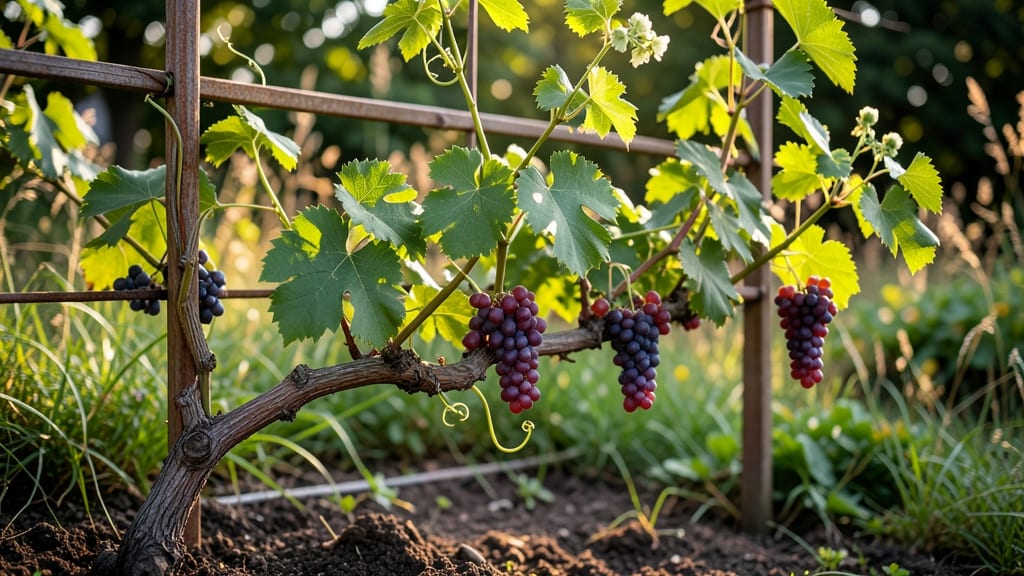
Growing a red grape plant starts with the right variety—one that thrives in your climate and delivers those sweet, juicy clusters you crave. 🌞 I’ve grown everything from Concord to Flame Seedless, and the key to success isn’t complicated: sun, well-draining soil, and a little patience.
The first year is all about establishing roots, but by year two, you’ll be harvesting grapes that taste like summer in a glass.
You’ll need a sturdy trellis or arbor (grapevines can grow 20+ feet if left unchecked), rich soil amended with compost, and a location that gets at least 6-8 hours of sunlight daily. Red grape varieties like Crimson Seedless or Autumn Royal are perfect for beginners—they’re disease-resistant and produce reliably.
The real magic happens in late spring when those first tendrils appear, climbing toward the sun like eager little hands.
Pruning might sound scary, but it’s the secret to bigger, sweeter grapes. In late winter, cut back last year’s growth by one-third to encourage new, fruitful shoots. Summer pruning keeps the vine manageable and improves airflow, reducing the risk of fungal diseases.
With proper care, your vine will reward you with pounds of grapes by late summer—enough to share with neighbors or turn into jam.
Even in challenging climates, red grape plants adapt. In cooler zones, choose cold-hardy varieties like Niagara, and in hotter areas, provide afternoon shade to prevent sunburn. The first harvest might be small, but each year, your vine will get stronger, producing more grapes with less effort.
Here’s how to set it up for success!
📚 In This Guide
- What you need
- Instructions
- Tips and common mistakes
- Wrapping up and next steps
What you need
- ● Red grapevine (choose a variety like Concord, Thompson Seedless, or Cabernet Sauvignon—available as bare-root plants, potted vines, or cuttings from nurseries).
- ● Well-draining soil: A mix of 60% topsoil, 30% compost, and 10% perlite or sand (pH 6.0–6.5).
- ● Sunny location: At least 6–8 hours of direct sunlight daily (south-facing walls or trellises work great!).
- ● Trellis or arbor: A sturdy 10–15 ft tall structure (metal, wood, or PVC) to support the vine’s growth.
- ● Mulch: 2–3 inches of organic mulch (straw, wood chips, or shredded leaves) to retain moisture and suppress weeds.
- ● Watering can or hose with a gentle spray nozzle (grapevines need 1–2 inches of water per week, especially during fruiting).
- ● Pruning shears: Sharp, bypass-style shears (disinfect with rubbing alcohol after use).
- ● Fertilizer: Balanced fertilizer (10-10-10 or 5-10-10) at planting time.
- ● Low-nitrogen, high-phosphorus fertilizer (e.g., 0-10-10) during blooming and fruiting.
- ● Soil test kit (to check pH and nutrient levels before planting).
- ● Drip irrigation system (for consistent moisture without overwatering).
- ● Fungicide (copper-based or neem oil spray) to prevent powdery mildew or black rot.
- ● Grafting tools (if propagating from cuttings or grafting scions).
- ● Plant tags or labels (to track varieties and planting dates).
- ● Gloves and long sleeves (to protect from thorns and sap).
Step-by-step instructions for cultivating a thriving red grape vine
Here's how to coax a sun-loving vine into producing sweet, plump clusters with minimal daily fuss.
🪴 Step 1: Select and Prepare the Planting Site
Choose a location with full sun exposure (6+ hours daily) and well-draining soil. Red grape vines need space to sprawl—allocate at least 10 feet of horizontal clearance and 8 feet of vertical support if training upward. I always test soil drainage by digging a 12-inch hole and filling it with water; if it drains within an hour, the site's ready.
Amend heavy clay soil with 2-3 inches of compost mixed into the top 12 inches of soil. The vine's roots will spread aggressively, so avoid planting near sidewalks or foundations. A south-facing wall or trellis maximizes sunlight exposure, which is critical for fruit development.
🌱 Step 2: Plant at the Right Time and Depth
Plant bare-root vines in early spring (after last frost) or dormant potted plants in late winter. Dig a hole twice as wide as the root ball but only as deep as the vine's graft union—burying it too deep encourages rot. Spread the roots gently outward and backfill with native soil, tamping lightly to eliminate air pockets.
Water deeply immediately after planting to settle the soil and eliminate air gaps. Mulch with 2-3 inches of organic mulch (like wood chips) around the base, keeping it 6 inches away from the trunk to prevent moisture buildup. This mulch layer regulates soil temperature and retains moisture during dry spells.
☀️ Step 3: Establish Support and Pruning Framework
Install a sturdy trellis or arbor immediately to guide the vine's growth. Red grape vines need horizontal wires spaced 12-18 inches apart for proper training. I use a T-post system with 1/4-inch galvanized wire—it lasts years and resists rust. Attach the main vine to the lowest wire and train lateral branches horizontally along each wire as they grow.
During the first growing season, prune aggressively to establish a strong framework. Remove all but 4-6 vigorous canes, cutting back to 2-3 buds per cane. This dramatic pruning might look harsh, but it directs energy into fewer, stronger growth points. Wait until late winter (before buds swell) for next year's pruning to avoid winter damage.
💧 Step 4: Water and Fertilize for Optimal Fruit Production
Water deeply once weekly during the first growing season, increasing to 2 inches per week during fruit development. I check soil moisture by sticking my finger 2 inches deep—if it feels dry, it's time to water. Overhead watering encourages fungal diseases, so always water at the base using a soaker hose or drip irrigation.
Fertilize lightly in early spring with a balanced 10-10-10 formula, applying 1/2 cup per plant. Red grape vines are relatively low-maintenance but respond well to a second application in late spring when flowers appear. Avoid high-nitrogen fertilizers after flowering—they promote leafy growth at the expense of fruit.
✂️ Step 5: Maintain Through Harvest and Winter Prep
Thin fruit clusters to 1/2 inch apart when grapes are the size of marbles. This ensures larger, sweeter berries and prevents disease spread. Remove any suckers (vigorous shoots growing below the graft) and water sprouts (shoots growing from the trunk) immediately—they drain the vine's energy from fruit production.
After harvest, clean up all fallen leaves and fruit to prevent fungal overwintering. Apply a 3-inch layer of mulch around the base (but not touching the trunk) to insulate roots. In colder climates, wrap the trunk with burlap or frost cloth during hard freezes. This protection is especially critical for young vines still establishing their root systems.
Tips & tricks for perfect red grape vine cultivation
Here's what nobody tells you about growing grapes that'll make all the difference between a struggling vine and a thriving, fruit-bearing powerhouse.
Site Selection Secret: That south-facing wall isn't just about aesthetics—it's about maximizing sunlight exposure. I've seen vines in north-facing locations struggle to produce fruit because they simply don't get enough light. If your yard lacks a south-facing wall, consider installing a freestanding trellis system that creates vertical space for the vine to climb. The key is ensuring the vine receives at least 6-8 hours of direct sunlight daily, especially during fruit development when energy demands peak.
Pruning Breakthrough: The first-year pruning might seem brutal—cutting back to just 2-3 buds per cane—but this aggressive approach pays off in spades. I learned this the hard way after watching a neighbor's vine grow wild and produce tiny, underdeveloped grapes. The dramatic pruning forces the vine to concentrate its energy into fewer, stronger growth points that will bear fruit the following year. Remember to use sharp, clean pruning shears and make cuts at a 45-degree angle just above a bud to promote proper healing.
Watering Wisdom: Those 2 inches of water per week during fruit development aren't just arbitrary—they're based on the vine's actual needs during this critical growth phase. I check soil moisture by sticking my finger 2 inches deep, and if it feels dry at that depth, it's time to water. The key is consistency: grape vines hate having their roots alternate between soggy and bone-dry conditions. Consider installing a simple drip irrigation system at the base of the vine to deliver water directly to the roots without wetting the leaves, which helps prevent fungal diseases.
Winter Protection Strategy: That 3-inch layer of mulch around your vine's base isn't just for show—it's a critical insulation layer that protects delicate roots from extreme temperature fluctuations. In colder climates, I've found that wrapping the trunk with burlap or frost cloth during hard freezes can make the difference between a vine that survives and one that doesn't. The goal is to maintain a stable soil temperature around the roots while allowing proper airflow to prevent moisture buildup that could lead to rot.
Pro Tips for Red Grape Plant
- Here's what nobody tells you about growing grapes that'll make all the difference between a struggling vine and a thriving, fruit-bearing powerhouse.
- Site Selection Secret: That south-facing wall isn't just about aesthetics—it's about maximizing sunlight exposure.
- Pruning Breakthrough: The first-year pruning might seem brutal—cutting back to just 2-3 buds per cane—but this aggressive approach pays off in spades.
Frequently asked questions
How long does it take for a red grape plant to produce fruit?
A young red grapevine typically takes 2–3 years to bear fruit, depending on the variety and growing conditions. Patience is key—focus on establishing a strong root system and proper pruning in the first year. Pro tip: Choose fast-maturing varieties like Concord or Thompson Seedless if you’re eager for harvests!
Can red grape plants survive winter? What’s the best way to protect them?
Red grapevines are hardy but need winter protection in colder climates (USDA Zones 5–8). Mulch the base with straw or leaves (12+ inches thick) and wrap the trunk with burlap or frost cloth. In Zone 4 or below, consider container growing and moving pots indoors or to a sheltered spot. Bonus: Prune back dead wood in early spring for a fresh start!
Are red grape plants easy to grow in containers? What size pot should I use?
Red grapevines thrive in containers if given enough space. Aim for a 15–20 gallon pot (minimum 18” deep) with drainage holes. Use a well-draining potting mix and place the container in full sun. Dwarf varieties like Flame Seedless are ideal for pots. Remember: Rotate the pot occasionally for even sunlight exposure.
What pests or diseases should I watch for in my red grape plant?
Common issues include aphids, spider mites, and powdery mildew. Inspect leaves regularly and spray with neem oil or insecticidal soap for pests. For mildew, improve airflow and apply fungicide early. Prevention tip: Prune for sunlight penetration and avoid overhead watering to keep foliage dry.
Can I grow red grapes from store-bought grapes? How does it work?
Yes, but success isn’t guaranteed! Remove a few seeds from a ripe red grape, clean them, and plant them ½ inch deep in moist soil. Germination can take 4–8 weeks and may not produce true-to-variety grapes. For reliable results, start with grafted nursery plants instead. Fun fact: Seed-grown grapes often surprise you with unique flavors!
Wrapping up and next steps
Growing a red grape plant is a rewarding journey that combines patience with nature’s bounty—whether you’re dreaming of homemade wine, fresh fruit, or just a stunning vineyard vibe. With the right sunlight, soil, and a little TLC, even beginners can cultivate a thriving vine.
Remember: pruning, pest control, and consistent care are your secret weapons for a fruitful harvest!
Ready to take the next step? Start small—plant a single vine or a few cuttings in a container if space is limited. Then, watch your garden transform into a lush, sun-kissed paradise! 🍇✨ Happy growing!