
Planting
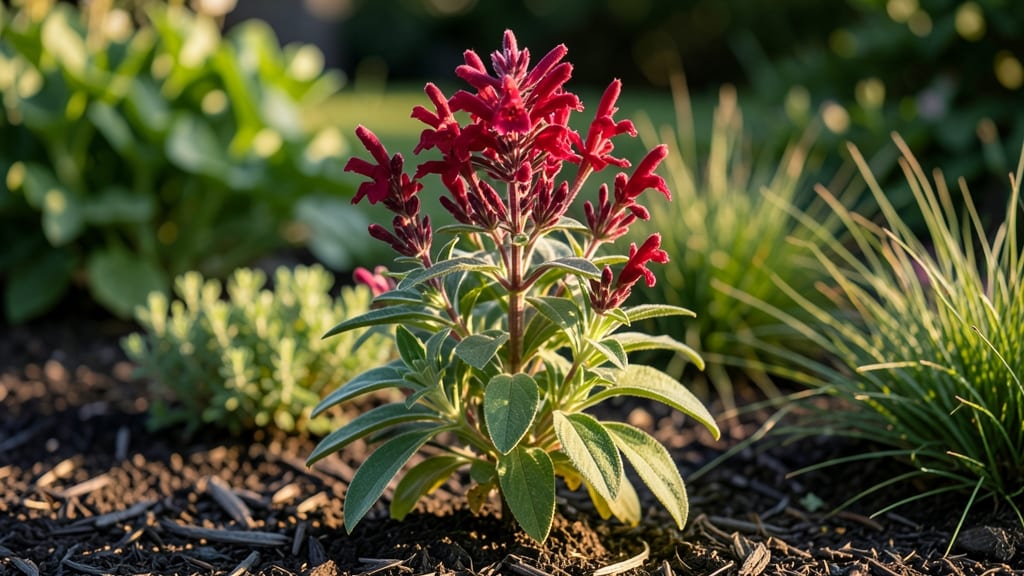
Transforming your containers with a purple-flowering herb plant turns your balcony into edible art. 🌿 I’ve turned my balcony into a fragrant purple paradise, and it’s easier than you think—no fancy garden required.
These herbs not only add vibrant color but also bring unique flavors to your kitchen while thriving in pots.
Start with well-draining soil and a sunny spot—most purple herbs need 6+ hours of sunlight daily. Borage grows wild and tall, while purple basil stays compact, making them perfect for small spaces.
Water when the top inch of soil feels dry, but avoid soggy roots to keep those stunning blooms coming.
Harvest leaves and flowers as they open for the best flavor, and pinch back leggy stems to encourage bushier growth. You’ll end up with fragrant, edible blooms that double as garnishes or tea infusions, plus lush foliage for cooking.
The best part? These plants are tough—they bounce back from neglect better than most herbs.
Watch for aphids on tender new growth, but a quick spray of water usually does the trick. If you love herbs but hate boring green, purple-flowering varieties are a game-changer. They’re equally at home in kitchen gardens or as standalone container stars.
📚 In This Guide
- What you need
- Instructions
- Tips and common mistakes
- Wrapping up and next steps
What you need
- ● Purple flower herb seeds or seedlings: Choose from borage (Borago officinalis), lavender (Lavandula spp.), or cleome (Cleome hassleriana). Start with 5–10 seeds or 2–3 seedlings for a small container.
- ● Containers: Use 5–10 gallon pots with drainage holes (or a raised bed if gardening outdoors). Ensure they’re at least 12 inches deep for root growth.
- ● Well-draining potting mix: A blend of 60% peat/coir, 30% perlite, and 10% compost works best. Avoid heavy clay soil.
- ○ Slow-release fertilizer (optional but recommended): Look for a balanced 10-10-10 NPK or organic option like fish emulsion.
- ● Basic gardening tools: Trowel or small hand shovel
- ● Gloves (to protect hands from prickly stems, like cleome)
- ● Spray bottle (for seedling moisture)
- ● Watering can or hose with gentle spray nozzle
- ● Sunlight access: A south-facing window (6+ hours/day) or grow lights for indoor setups.
- ● Pruning shears (for maintenance)
- ● Mulch (e.g., straw or bark chips) to retain moisture.
- ● Eggshells or crushed chalk to deter pests.
- ● Decorative pebbles for container aesthetics.
- ● Humidity dome if starting seeds indoors.
Step-by-step instructions for growing purple flower herbs in containers
Here’s how to cultivate stunning, edible purple blooms that’ll turn heads—and your kitchen—alive!
🌱 Step 1: Select and Prepare Your Purple Herb Varieties
Start with borage, red shiso, or purple basil—these thrive in containers and pack vibrant purple blooms you can eat! I always check seed packets for full sun requirements (at least 6 hours daily) and container depth (6+ inches for roots). Fill a 5-gallon pot with well-draining potting mix—I like to blend in 20% perlite to prevent soggy roots.
Sow seeds ¼ inch deep or transplant young starts, spacing them 8-12 inches apart (crowding stresses plants and reduces flowering). Water lightly after planting, but don’t drown the soil—purple herbs hate wet feet. Place pots in a spot with morning sun and afternoon shade for the first week to help them acclimate.
☀️ Step 2: Master Light and Water for Vibrant Blooms
Purple herbs need bright, indirect light to maintain their color intensity. If your space is low-light, supplement with a grow light kept 6 inches above the plants for 12-14 hours daily. You’ll notice leaves losing their deep purple hue if light is insufficient—this is your cue to adjust.
Water when the top inch of soil feels dry, but avoid overhead watering (it can cause fungal issues). I use a watering can with a narrow spout to direct moisture to the base. Purple basil, for example, wilt dramatically if thirsty—a quick check with your finger saves the day. Mulch with ½ inch of straw to retain moisture and keep roots cool.
🌿 Step 3: Encourage Blooms and Harvest Strategically
Pinch back new growth tips when plants reach 6 inches tall to promote bushier, flower-heavy stems. This is where the magic happens—more branches mean more purple blooms! For borage, let a few flowers open to attract pollinators, but harvest the rest before they fully bloom for maximum edible yield.
Harvest flowers in the morning when they’re at peak color. Snip stems just above a leaf node with clean scissors—this encourages new growth. Use blooms in salads, garnishes, or infusions. If you see leggy stems reaching for light, it’s time to rotate the pot or move it closer to your light source.
✂️ Step 4: Prune and Overwinter for Next Season
After the first flush of blooms, trim back one-third of the plant to encourage a second round of growth. Purple shiso, for example, benefits from a hard prune after flowering to stay compact. Remove any yellowed or diseased leaves immediately—they spread faster than you think.
For overwintering, move pots indoors to a cool, bright spot (50-60°F). Reduce watering to once every 2 weeks and fertilize lightly with half-strength organic liquid fertilizer every 4 weeks. In spring, prune back again to refresh growth—your purple herb will bounce back stronger than ever!
Tips & tricks for growing stunning purple flower herbs
These game-changing tips will help you coax the most vibrant purple blooms from your container herbs!
Lighting Up Your Herbs: The 6 hours of daily sunlight is non-negotiable for maintaining that gorgeous purple hue. I’ve seen leaves lose their color when light drops below this threshold—it’s like watching a sunset in reverse! For indoor growers, position your grow light exactly 6 inches above the plants and keep it running for 12-14 hours daily. The closer the light, the more intense the purple color will be, but don’t let it touch the leaves.
Soil Secrets for Happy Roots: That 20% perlite mix in your 5-gallon pot isn’t just about drainage—it’s the difference between thriving herbs and sad, leggy stems. I’ve found that adding a handful of worm castings to the mix gives an extra boost of nutrients without overwhelming the plants. And remember: these herbs truly hate soggy feet, so always check that top inch of soil before watering.
Pinching for Purple Perfection: When your plants hit that 6-inch mark in Step 3, don’t hesitate to pinch those growth tips! This might seem counterintuitive, but it’s what triggers that bushy, flower-heavy growth we’re after. I’ve seen plants without pinching grow tall and skinny with barely any flowers—total bummer. For maximum blooms, aim to pinch back about 1/3 of the new growth every 2-3 weeks during the growing season.
Harvesting Like a Pro: That morning harvest window is crucial for peak color and flavor. I’ve noticed the purple hue fades fastest in the afternoon heat, so always snip those blooms first thing in the morning. Use clean scissors and cut just above a leaf node—this simple technique encourages new growth and keeps your plants producing for weeks. Pro tip: Store harvested flowers in a shallow container of water in the fridge for up to 3 days to preserve that vibrant color.
Pro Tips for Purple Flower Herb Plant
- These game-changing tips will help you coax the most vibrant purple blooms from your container herbs!
- Lighting Up Your Herbs: The 6 hours of daily sunlight is non-negotiable for maintaining that gorgeous purple hue.
- Soil Secrets for Happy Roots: That 20% perlite mix in your 5-gallon pot isn’t just about drainage—it’s the difference between thriving herbs and sad, leggy stems.
Frequently asked questions
Got questions about growing and enjoying your purple flower herb plant? Here are some common ones—and their answers—to help you cultivate confidence (and beauty!) in your container garden.
What’s the best way to propagate purple flower herbs like borage or chive flowers?
Most purple-flowered herbs (like borage or chives) spread easily from seed or division. For seeds, sow directly in spring after the last frost—lightly cover with soil and keep moist. For division, separate root clumps in early spring or fall. Pro tip: Borage self-seeds aggressively, so deadhead spent blooms if you want to control its spread!
How long does it take for purple herb flowers to bloom after planting?
Timing varies by herb! Borage blooms in 6–8 weeks from seed, while chive flowers may take 2–3 months to reach their purple peaks. Lavender (another purple option) can take 6–12 months to flower. Patience pays off—these herbs reward you with months of color once established!
Can I grow purple herb flowers in small containers, or do they need a big space?
Many purple-flowered herbs thrive in 5–10 gallon containers. Chives and thyme are compact, while borage needs slightly more room (12+ inches deep). Use well-draining soil, and prune regularly to encourage bushier growth. Pro tip: Mix herbs with trailing plants (like nasturtiums) to maximize space and aesthetics!
Are the flowers of purple herbs edible, and how do I use them?
Yes! Borage and chive flowers are 100% edible—add them to salads, garnish cocktails, or infuse oils/vinegars for a cucumber-like flavor. Lavender is edible too (sparingly!) in desserts or teas. Always avoid pesticides if harvesting from your garden. Fun fact: Borage flowers taste like honeyed cucumber—a unique twist for your dishes!
Why aren’t my purple herb flowers blooming, even though the leaves look healthy?
Lack of blooms often stems from over-fertilizing (too much nitrogen = leafy growth, no flowers) or poor sunlight (most herbs need 6+ hours of sun daily). Try deadheading spent blooms and switching to a low-phosphorus fertilizer (like 5-10-10). If indoors, move your container to a sunnier spot or use a grow light.
Wrapping up and next steps
Growing a purple flower herb plant in containers isn’t just about adding beauty—it’s about bringing edible elegance to your space!
Whether you’re drawn to the vibrant blooms of borage, the delicate lavender, or the striking purple basil, these plants prove that herbs can be as stunning as they are useful.
With the right care—sunlight, well-draining soil, and a little patience—you’ll enjoy a thriving, productive garden that’s perfect for cooking, crafting, or simply admiring.
Ready to take the next step? Start small: pick one purple herb to grow, gather your supplies, and give it a try! Share your progress with fellow plant lovers, experiment with recipes, or even expand your container garden.
The world of purple-flowered herbs is waiting—your green thumb is all it takes! 🌱✨