
Planting
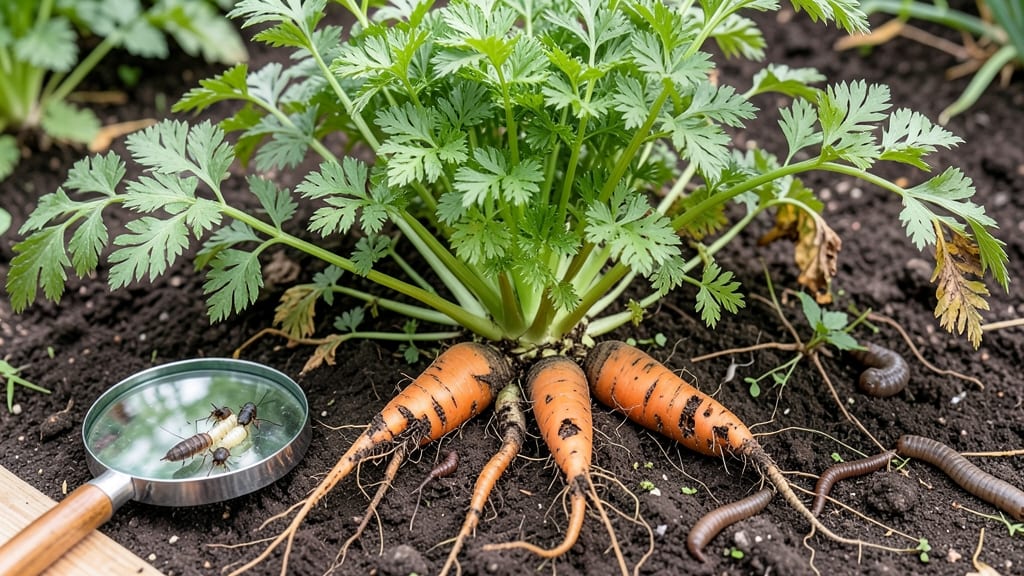
Carrot pests turn your crisp, sweet harvests into chewed-up disappointment—unless you know how to fight back. 🌱 I’ve lost entire rows to carrot rust flies and wireworms, but these organic strategies now keep my garden thriving year after year.
The worst offenders—rust flies, aphids, and wireworms—leave telltale signs: ragged foliage, stunted tops, or tunnels in roots. The good news? Crop rotation, row covers, and neem oil can stop them before they start. I’ve even used diatomaceous earth as a last-resort barrier.
By combining prevention with quick action, you’ll pull up plump, unblemished carrots every season. The key is monitoring early and acting fast—most damage happens underground, so check roots weekly. Works for home gardeners, raised beds, and even container growing. Here’s how to protect your crop without chemicals.
Root Causes Behind Carrot Pests
Understanding why pests target your carrots is the first step to protecting your crop. These tiny invaders don’t just appear out of nowhere—they’re drawn by specific conditions in your garden. Let’s break down the key factors that make your carrots a buffet for hungry bugs and beetles.
Carrots thrive in loose, well-draining soil, but pests love it even more. Here’s why:
- Loose, Sandy Soil = Easy Digging 🐛 Carrots grow best in sandy loam, but this same texture makes it effortless for pests like carrot rust flies and wireworms to burrow into roots. Their larvae can chew through tender carrot tissue with ease, leaving behind jagged holes or stunted growth.
- Compacted or Rocky Soil = Stress Signals 🪨 When soil is too dense, carrots struggle to grow straight, becoming gnarled or forked. This stress weakens the plant, making it more vulnerable to aphids and leafminers, which target weakened foliage.
- Excess Moisture or Poor Drainage 💦 Overly wet soil attracts slugs, snails, and fungal pests like carrot fly maggots, which thrive in damp conditions. Poor drainage also stresses plants, making them more susceptible to secondary pests.
Pro Tip: 💡 Test your soil’s drainage before planting—if water pools after 30 minutes, amend with compost or sand to improve aeration.
A struggling carrot patch is like a neon sign for pests. Here’s how poor plant health invites trouble:
- Weak or Stunted Growth 🌱➡️🚨 Nutrient deficiencies (especially nitrogen or potassium) or overcrowded plants produce weak foliage, which aphids, flea beetles, and leafminers find irresistible. These pests feed on sap and young leaves, further weakening the plant.
- Delayed Planting or Succession Issues ⏳ Carrots planted too early (when soil is still cold) or too late (when pests are already active) give insects a head start. Carrot rust flies, for example, emerge in early spring and lay eggs near fresh plantings.
- Lack of Biodiversity 🌍 Monoculture gardens (planting only carrots) create a pest buffet. Without natural predators or companion plants (like leeks, onions, or rosemary), pests like wireworms and cutworms multiply unchecked.
Pro Tip: 🌿 Interplant carrots with celery, leeks, or thyme—these act as pest repellents and confuse insects.
Pests don’t attack randomly—they follow a schedule. Here’s when carrots become prime targets:
- Early Spring Emergence ❄️➡️🌱 Carrot rust flies and wireworms overwinter in soil and become active as soon as carrots sprout. Eggs laid in spring hatch into larvae that burrow into roots within days.
- Summer Heat & Dry Spells ☀️🔥 Drought-stressed carrots produce smaller, more concentrated sugars, attracting aphids and flea beetles. Heat also speeds up the life cycles of pests like leafminers, leading to rapid infestations.
- Fall Harvest Season 🍂🎃 As carrots mature, they become softer and more nutritious, drawing slugs, snails, and rodent pests (like field mice). Stored carrots in cool, damp conditions may also attract carrot weevils.
Pro Tip: ✨ Plant succession crops every 2–3 weeks to stagger growth and avoid peak pest periods.
Some pest pressures come from outside your garden fence. Here’s what you’re up against:
- Nearby Wild Host Plants 🌿🐞 Weeds like queen anne’s lace (wild carrot) or dill act as breeding grounds for carrot rust flies and parsnip webflies. These pests then migrate to your cultivated carrots.
- Wind & Water Spread 💨💧 Lightweight pests like aphids and thrips hitch rides on wind currents, while slugs and snails travel via rain-slicked surfaces. Poor garden hygiene (leaving debris) gives them shelter.
- Climate Shifts & Invasive Species 🌡️🐛 Warmer winters allow pests like spotted wing drosophila (a fruit fly that attacks carrots) to survive and expand their range. Invasive species, such as the Japanese beetle, also target carrot crops with no natural predators.
Pro Tip: 🔥 Install row covers early in the season to block flying pests before they lay eggs.
Even the best gardeners can accidentally encourage pests. Here’s how:
- Over-Fertilizing with Nitrogen 💥🌱 Too much nitrogen promotes lush foliage, which aphids and leafminers adore. Instead, use a balanced fertilizer (like 5-10-10) to support root growth without attracting pests.
- Ignoring Garden Hygiene 🧹🚫 Leaving crop residues, weed debris, or old carrot tops in the soil provides hiding spots for wireworms and cutworms. Always rotate crops and clean up after harvest.
- Using Chemical Pesticides Carelessly 💊➡️🐝 Harsh pesticides kill beneficial insects (like ladybugs and ground beetles) that prey on carrot pests. This creates a pest vacuum effect, where surviving pests reproduce unchecked.
Pro Tip: 🌡️ Practice crop rotation—avoid planting carrots (or other root veggies) in the same spot for 3+ years to break pest life cycles.
Fixing Carrot Pest Problems Naturally
Carrot pests can turn your garden dreams into a chewed-up nightmare, but don’t worry—there are effective, organic solutions to reclaim your harvest. Below, we’ll tackle common culprits like carrot flies, aphids, wireworms, and leaf miners with practical, no-fuss fixes that work without harsh chemicals.
Plus, we’ll share prevention tips to keep pests at bay for good.
Cause: These pesky flies lay eggs near carrot roots, and their larvae burrow into the flesh, causing misshapen, inedible carrots.
How to Fix It: 🔥 Rotate Crops – Avoid planting carrots (or related umbellifers like parsley or dill) in the same spot for 3–4 years to break the fly’s life cycle.
🍳 Use Row Covers Early – Install floating row covers (lightweight fabric) over seedlings as soon as they sprout to block adult flies. Remove when flowers appear for pollination.
👨🍳 Plant Trap Crops – Grow leeks, celery, or onions nearby—carrot flies prefer these over carrots. Harvest and discard trap crops weekly to reduce egg-laying.
🥘 Apply Diatomaceous Earth (DE) – Sprinkle food-grade DE around the base of plants (reapply after rain). It dehydrates larvae without harming plants.
⏰ Time Your Planting – Sow carrots early spring or late summer when fly populations are low. Avoid mid-summer planting when flies are most active.
Cause: These tiny, sap-sucking insects cluster on leaves, weakening plants and spreading viruses.
How to Fix It: 🔥 Blast Them Off – Spray plants with a strong stream of water (early morning works best) to knock aphids off.
🍳 Introduce Beneficial Insects – Ladybugs, lacewings, and parasitic wasps love aphids. Buy them online or attract them with neighboring flowering plants (like marigolds or yarrow).
👨🍳 Neem Oil Spray – Mix 1 tsp neem oil + ½ tsp mild soap + 1 quart water, then spray every 5–7 days. This disrupts their life cycle and deters new infestations.
🥘 Companion Planting – Grow garlic, chives, or thyme nearby—their strong scents repel aphids.
💡 Pro Tip: Crush a few aphids in water, strain, and spray the liquid on infected plants—this tricks pests into thinking predators are near and scatters them.
Cause: These grub-like larvae (from click beetles) tunnel into carrot roots, leaving holes and stunted growth.
How to Fix It: 🔥 Solarize the Soil – Cover bare soil with clear plastic for 4–6 weeks in hot sun to bake wireworms alive.
🍳 Plant Resistant Varieties – Try ‘Danvers Half Long’ or ‘Nantes’—they’re less appealing to wireworms than sweet varieties.
👨🍳 Use Coffee Grounds – Sprinkle used coffee grounds around plants—they repel wireworms naturally.
🥘 Encourage Predatory Beetles – Ground beetles devour wireworm eggs. Leave some leaf litter or mulch to attract them.
✨ Pre-Plant Soil Treatment – Mix 1 cup wood ash per 10 sq ft into the soil before planting—wireworms hate the alkaline environment.
Cause: Tiny white or yellow larvae tunnel between leaf layers, disfiguring foliage and reducing photosynthesis.
How to Fix It: 🔥 Handpick Larvae – Check leaves daily (especially undersides) and drop them into soapy water.
🍳 Yellow Sticky Traps – Hang yellow cards coated with petroleum jelly near plants to catch adult flies before they lay eggs.
👨🍳 Spray with Insecticidal Soap – Mix 1 tbsp castile soap + 1 quart water, then spray every 3–4 days. This suffocates larvae.
🥘 Remove Infested Leaves – Prune and dispose of heavily damaged leaves in a sealed bag to stop the cycle.
💡 Pro Tip: Interplant with basil—its scent confuses leaf miners and deters them.
- Crop Rotation – Never plant carrots (or related veggies) in the same spot two years in a row.
- Healthy Soil – Compost-rich soil grows stronger carrots that pests avoid. Add worm castings for extra resilience.
- Mulch Thickly – Use straw or grass clippings to smother weeds (which attract pests) and retain moisture.
- Interplant Smartly – Pair carrots with onions, leeks, or rosemary—their scents mask carrot odors that lure pests.
- Harvest Early & Often – Thin seedlings early and pick carrots before they mature to reduce pest exposure.
Final Thought: With these organic, low-effort strategies, you can outsmart carrot pests and enjoy a bountiful, pest-free harvest—without chemicals! 🚜🌱
Frequently asked questions about carrot pests
What are the most destructive carrot pests I should watch for?
The worst offenders are carrot rust flies (their larvae tunnel into roots), wireworms (click beetle larvae that chew holes), and aphids (which sap foliage and spread disease). Don’t overlook leaf miners either—they create unsightly tunnels in leaves that stunt growth.
How do I know if my carrots have pests before harvesting?
Check for ragged leaf edges (aphids), tiny white maggots in roots (rust fly larvae), or serpentine trails in leaves (leaf miners). Dig up a few carrots—if you see holes or tunnels, pests are already at work. Act fast with row covers or neem oil.
Can I save my carrots if pests are already in the roots?
For light infestations, scrub roots thoroughly and cook immediately (heat kills larvae). If damage is severe, compost the carrots—don’t risk eating contaminated produce. Prevent future issues by rotating crops and using diatomaceous earth next season.
Are there carrot varieties that resist pests better?
Yes! Try ‘Danvers Half Long’ (resists wireworms) or ‘Nantes’ (less appealing to rust flies). For aphids, choose ‘Paris Market’—its compact growth makes it harder for pests to cluster. Always check seed packets for pest-resistant labels.
Will row covers work for all carrot pests?
Row covers block flying pests like rust flies and leaf miners but won’t stop wireworms or slugs that crawl from the soil. For comprehensive protection, combine covers with coffee grounds (for wireworms) and beer traps (for slugs). Remove covers during flowering for pollination.