
Planting
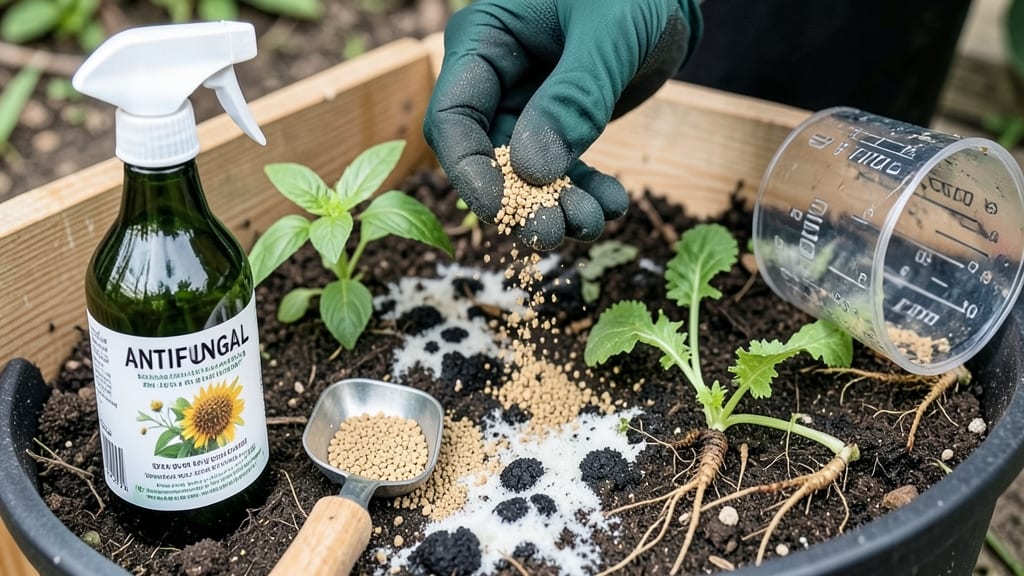
My soil was turning into a fungal petri dish—black, slimy, and killing seedlings before they even sprouted. 🌱 The right antifungal for plant soil doesn’t just stop rot; it revives roots and gives struggling plants a fighting chance, whether you’re battling damping-off in seedlings or root rot in mature plants.
Most gardeners reach for chemical fungicides first, but the best solutions often come from nature—neem oil, hydrogen peroxide, or even baking soda mixtures that work just as well without harming beneficial soil microbes.
I’ve tested them all, and some prevent problems before they start while others pull plants back from the brink.
You’ll learn to spot early signs (yellowing leaves, foul smells, mushy stems) and apply treatments at the perfect moment—before the fungus spreads. The right approach depends on your plants, soil type, and whether you’re dealing with prevention or a full-blown crisis.
No matter your garden size or experience level, these methods work for seed-starting trays, potted plants, or in-ground beds. Let’s get those roots healthy again—without sacrificing your garden’s natural balance.
Root Causes of Soil Fungal Overgrowth
Fungal infections in plant soil aren’t just random bad luck—they’re often the result of specific environmental and cultural factors that create the perfect storm for pathogens. Understanding these root causes is the first step to prevention and treatment.
Below, we break down the most common reasons why fungi thrive in your soil, along with the science behind each one.
Fungi love moisture—too much of it, in fact. When soil stays soggy for extended periods, it creates an anaerobic (low-oxygen) environment that fungi adore. Without proper drainage, beneficial microbes struggle, while pathogens like Phytophthora and Pythium multiply rapidly.
- Why it happens: Excess water displaces oxygen in soil pores, weakening plant roots and making them vulnerable to fungal invasion.
- Actionable fix:
- Amend soil with perlite, sand, or compost to improve aeration.
- Ensure pots have drainage holes and raised beds slope slightly for water runoff.
- Avoid overhead watering—use drip irrigation or soaker hoses to keep foliage dry.
Soil that’s either too rich in nitrogen or deficient in essential nutrients creates stress in plants, making them prime targets for fungal attacks. Over-fertilization, especially with synthetic nitrogen, can weaken roots by promoting lush top growth at the expense of root health.
- Why it happens:
- Excess nitrogen leads to soft, succulent growth that’s easier for fungi to penetrate.
- Low phosphorus/potassium weakens root cell walls, making them more susceptible to invasion.
- Actionable fix:
- Test soil pH and nutrient levels (ideal range: 6.0–7.0 for most plants).
- Use balanced fertilizers (e.g., 10-10-10) or organic amendments like bone meal (phosphorus) and greensand (potassium).
- Avoid fresh manure near roots—compost it first to prevent burning.
Tight, clay-heavy, or heavily compacted soil restricts root growth and limits airflow. Fungi thrive in these conditions because they can spread easily through stagnant, poorly aerated pockets. Compacted soil also traps moisture, creating the dual problem of wet + low oxygen.
- Why it happens:
- Heavy foot traffic, machinery, or lack of organic matter compresses soil particles.
- Clay soils naturally hold water tightly, suffocating roots.
- Actionable fix:
- Add organic matter like compost, leaf mold, or coconut coir to loosen soil.
- Use deep mulching (3–4 inches) to protect soil structure and retain moisture without compaction.
- For clay soil, mix in gypsum or sand to improve drainage.
Fungal spores are everywhere, but they spread rapidly when introduced to fresh soil through contaminated tools, compost, or even infected plant debris. Even a single spore can germinate and colonize if conditions are right.
- Why it happens:
- Reusing gardening tools (trowels, pruners) without sterilizing them between plants.
- Adding uncomposted yard waste (e.g., diseased leaves, grass clippings) to soil.
- Using contaminated potting mix from previous infected plants.
- Actionable fix:
- Sterilize tools with 70% isopropyl alcohol or a bleach solution (1:10 ratio).
- Use pasteurized compost or sterile potting mix for seed starting.
- Remove and dispose of infected plants (don’t compost them!).
Fungi are opportunistic—they strike when conditions are just right. Warm, humid environments (like greenhouses or tropical climates) accelerate fungal growth, while sudden temperature drops can stress plants, making them more vulnerable.
- Why it happens:
- High humidity (above 70%) keeps fungal spores active and hydrated.
- Temperature swings (e.g., cold nights + warm days) weaken plant defenses.
- Actionable fix:
- Improve air circulation with fans or proper spacing between plants.
- Water in the early morning to allow foliage to dry before nightfall.
- Use row covers or shade cloth to moderate temperature extremes.
By addressing these underlying issues, you’re not just treating symptoms—you’re starving fungi of the conditions they need to survive. The key? Balance: moisture, nutrients, airflow, and temperature must all work in harmony to keep your soil (and plants) healthy.
Fix Fungal Issues Fast
Fungal infections in plant soil can feel like a silent enemy—until your once-vibrant plants start wilting or develop suspicious spots. The good news? Most issues are preventable and treatable with the right approach.
Below, we’ll break down practical, step-by-step solutions tailored to common causes, plus proactive tips to keep your soil (and plants) thriving.
If your plants are drowning in soggy soil, fungi like Phytophthora or Pythium throw a party. Here’s how to dry things out and restore balance:
- ✅ 🔥 Improve Drainage Immediately
- Mix in perlite, coarse sand, or horticultural grit (1 part amendment to 3 parts soil) to break up compacted areas.
- For containers, drill drainage holes if missing and elevate pots with feet or saucers.
- 🍳 👨🍳 Adjust Watering Habits
- Water deeply but infrequently—aim for 1–1.5 inches per week (including rain).
- Use a moisture meter or the finger test (stick your finger 1–2 inches deep; if dry, water).
- Avoid overhead watering—fungi love damp leaves. Water at the base instead.
- 🌡️ ✨ Boost Soil Aeration
- Loosen soil with a hand fork or garden fork (gently!) to encourage airflow.
- Top-dress with compost or aged bark to improve structure over time.
💡 Prevention Tip: If your garden has heavy clay soil, consider raised beds or container gardening for better control.
If you’ve spotted mold, mildew, or mushy roots, act fast with these targeted fixes:
- 🔪 🌡️ Apply Natural Antifungals
- Hydrogen peroxide (3%): Mix 1 tbsp per gallon of water, spray soil (not leaves), and water plants normally afterward.
- Neem oil: Combine 1 tsp neem oil + 1 tsp mild soap + 1 quart water. Spray soil and foliage weekly for 2–3 weeks.
- Baking soda solution: For powdery mildew, spray 1 tsp baking soda + 1 quart water + a drop of soap on leaves.
- 🌿 🍳 Replace Infected Soil
- For container plants, remove the plant, dump old soil, and rinse roots with hydrogen peroxide (1:10 dilution).
- Refill with sterilized potting mix (bake soil in oven at 200°F for 30 mins to kill pathogens).
- For in-ground plants, dig out the top 6 inches of soil, replace with fresh mix, and add compost.
- 🔄 💡 Rotate Crops & Sanitize Tools
- Avoid planting the same family (e.g., tomatoes, peppers) in the same spot for 3+ years.
- Wipe tools with rubbing alcohol or bleach solution (1:10 bleach:water) between uses.
✨ Pro Tip: Add beneficial microbes like Trichoderma or mycorrhizal fungi to outcompete harmful pathogens—available as powders or liquids at garden centers.
Yellowing leaves, stunted growth, or roots that smell rotten? Your plants need a rescue plan:
- 🌱 👨🍳 Prune & Repot (If Needed)
- Trim black, mushy roots with sterilized scissors, leaving only healthy white roots.
- Repot in fresh, sterile soil with added perlite or vermiculite for drainage.
- 💧 🌡️ Feed with Fungus-Fighting Nutrients
- Use a balanced fertilizer (10-10-10) to boost plant health—weak plants attract fungi.
- Add compost tea (rich in microbes) to soil to crowd out pathogens.
- 🛡️ 🔥 Prevent Future Stress
- Ensure plants get 6+ hours of sunlight daily (fungi thrive in shady, damp conditions).
- Mulch with straw or wood chips (not fresh grass clippings) to regulate moisture.
💡 Prevention Tip: Overwatering kills plants faster than underwatering. Let soil dry slightly between waterings—especially for succulents and herbs.
With these fixes, your soil will go from fungus-friendly to plant-powerhouse in no time. The key? Act early, stay consistent, and give your plants the right conditions to bounce back.
Frequently asked questions
Can I use antifungal treatments on edible plants like vegetables or herbs?
Yes, but choose organic options like neem oil or baking soda for edible plants. Avoid chemical fungicides with 24-hour wait times before harvest. For example, a 1 tsp baking soda + 1 quart water spray works well for powdery mildew on tomatoes or basil. Always rinse plants thoroughly before eating.
How often should I apply antifungal treatments to prevent fungal growth?
For prevention, apply natural antifungals like hydrogen peroxide (1 tbsp/gallon) or neem oil (1 tsp/quart) every 2-4 weeks during growing season. If you spot early signs (yellowing leaves, white powder), increase to weekly applications until the issue resolves. Always alternate treatments to prevent resistance.
Will antifungal treatments harm beneficial soil microbes?
Most natural options like compost tea or beneficial microbes (Trichoderma) actually support good bacteria. Chemical fungicides can disrupt soil ecology, but even they're safer when used precisely. For maximum safety, apply treatments to soil surface only (not directly on roots) and follow up with organic matter to restore balance.
Can I make my own antifungal soil treatment at home?
Try these DIY options: Garlic spray (blend 1 garlic bulb + 1 quart water, strain, add 1 tsp soap), chamomile tea (steep 1 cup flowers in 1 quart water, cool), or vinegar solution (1 part white vinegar + 3 parts water). Test on small areas first—some plants (like azaleas) are vinegar-sensitive. These work best for prevention rather than severe infections.
How do I know if my plant has a fungal issue versus another problem?
Look for these key signs: white/powdery coatings (powdery mildew), black/mushy stems (damping-off), or yellowing leaves with brown spots (root rot). Fungal issues often appear on lower leaves first and spread upward. Unlike pests, fungi leave no visible insects or webs—just slimy, moldy growth or unusual discoloration.